"He charges by the hour rather than bid, but his guess of the time and material cost was very close. He and his helper are hard working, friendly, accommodating, and cleaned up the site after the work was finished. I would use him again for future handyman projects. "
No, range hoods do not necessarily have to be vented outside. Ductless or non-vented range hoods are available, which are common in condos or small kitchens where connecting to external ductwork isn't feasible. These hoods operate by taking in air, filtering it through charcoal filters to help eliminate smoke and odors, and then recirculating the cleaned air back into the kitchen. However, while these recirculating hoods are more versatile, venting to the outside is still the preferred and more effective method for completely removing smoke, odors, and gases from the room.
Typically 1-2 hours, factoring in ductwork and electrical connections.
Neglected maintenance can lead to odors, fire hazards, impaired airflow, and reduced range and hood operation efficiency.
Most residential range hoods have a CFM between 200 and 600. A higher CFM means your range hood is better at removing smoke and odors from your kitchen. The measurement ultimately depends on your stove’s width and heat output as well as the size of your kitchen.
Compared to the average size of a stove and kitchen, 350 CFM would be the minimum recommended rating for the average kitchen. However, selecting a higher CFM range hood would guarantee better ventilation to match your cooking habits, whether they’re minimal or extensive.
Yes, with features like LED lighting and variable speed controls for efficiency.
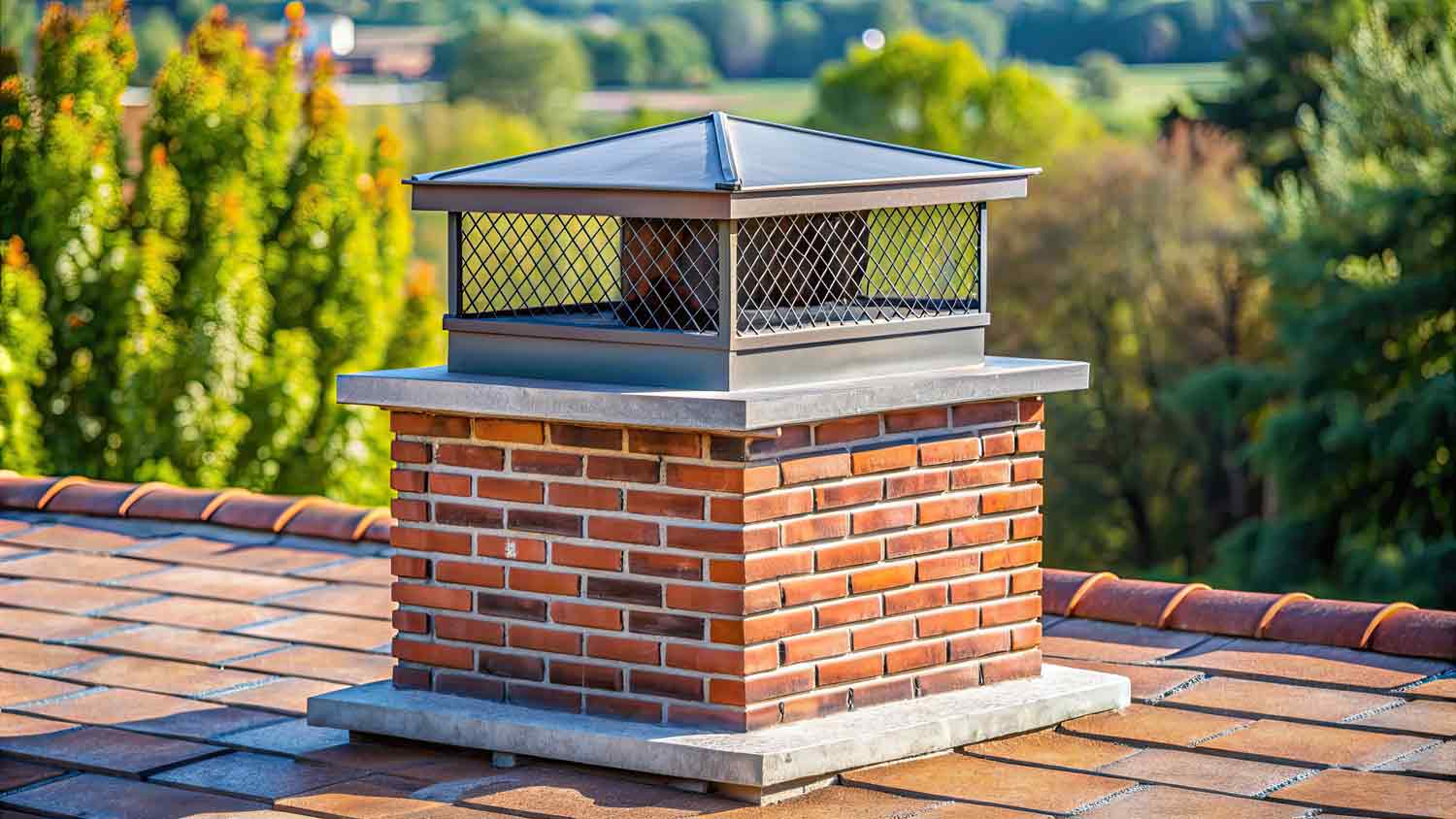
The Rogue River, OR homeowners’ guide to chimney cap services
From average costs to expert advice, get all the answers you need to get your job done.
If you’re experiencing chimney airflow problems, a new damper may be in order. Use this guide to learn what goes into your chimney damper replacement cost.