




Top-rated animal fencing pros.

Best animal fencing pros near Phoenix, OR

Enter your zip and get matched with up to 5 pros

Need a pro for your animal fencing service project in Phoenix, OR?

Select your specific project to find the pro for you.

Top-Rated Animal fencing pros in Phoenix - Updated Nov 2026

Can Do Handyman Plus
5.0(
7
)
Electronic Pet Fence - InstallElectronic Pet Fence - Repair or Adjust

Serving Phoenix, OR and surrounding areas

Free estimates

Warranties offered

Credit card accepted

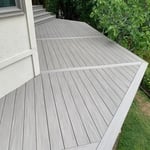
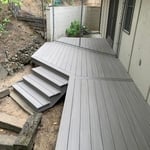
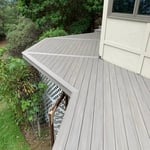
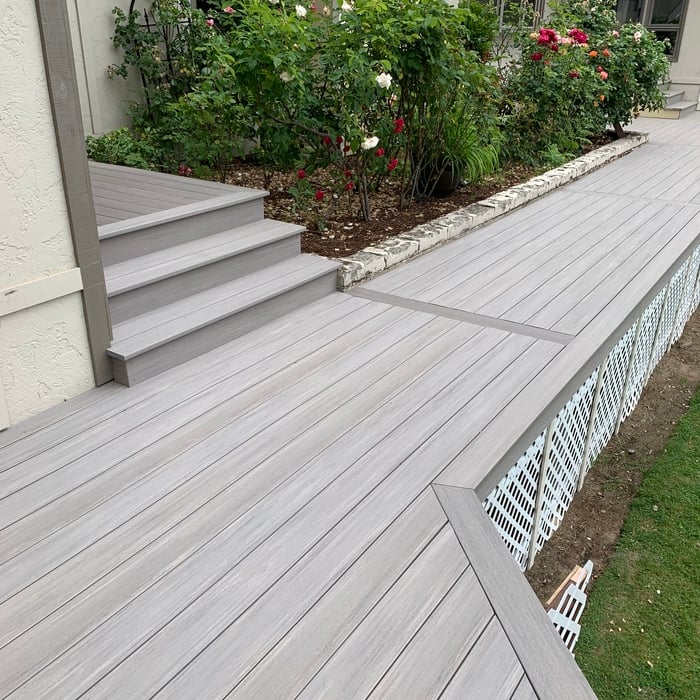
"John was such a pleasure to work with. We needed our deck refinished and he did an awesome job. The deck looks beautiful, and it was really easy to communicate with him. I've had John come out and help on my property with multiple projects now, including setting up stalls for my barn, and even getting my boat ready for winter storage. I would love to have him help out again when he's in the area."
Recommended by100%of homeowners

Animal Fencing FAQs, answered by experts

Yes, deer eat grass. But grass is far from a deer’s favorite food. Grass doesn’t have the nutrients deer need, so it only makes up a fraction of their diet. Deer eat woody plants, vegetation, acorns, fruit, and legumes. If deer are frequently in your yard, however, they will likely pick at the grass.

Groundhogs have a strong aversion to powerful scents, including garlic, ammonia, vinegar, hot peppers like cayenne, and predator urine. Various herbs such as rosemary, lavender, basil, mint, sage, thyme, and oregano can also act as deterrents. You can strategically use these odors around your property by planting these crops near your garden and by the entrances to groundhog burrows. Commercially available repellents offer another option, and for best results, scent-based deterrents should be used alongside other preventive measures.

Scent deterrents like ammonia, vinegar, mothballs, and pepper can help keep coyotes away, but these are best used in tandem with other preventative measures. Remember that ammonia and vinegar can kill your plants and/or grass, so it’s best to soak rags in these substances or spray them on hardscaped areas to avoid damaging your landscape.

The cost to hire an exterminator or pest control service is $175 on average, with typical costs ranging from $100 to $500. However, you could spend more depending on several factors, including the type of pest, the size and severity of the infestation, and the number of visits required.

Service costs also vary by frequency:

• One-time service: $300–$550

• Initial visit with ongoing service: $150–$300

• Monthly visits: $40–$70

• Quarterly visits: $100–$300

• Annual visits: $300–$550

The type of pest significantly impacts the price. For example, exterminating spiders typically costs between $100 and $300, while a termite problem can range from $230 to $2,500 or more, depending on the extent of the damage. Routine pest control services can help prevent future infestations and costly damage to your home.

First, contact your local wildlife services department. Then, you should be able to remove the groundhog by making the environment uncomfortable for them using scent, sound, and light, or set a live trap with natural bait that allows you to relocate the groundhog at least 20 miles from your home.

The Phoenix, OR homeowners’ guide to animal fencing services

From average costs to expert advice, get all the answers you need to get your job done.