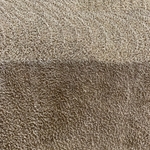
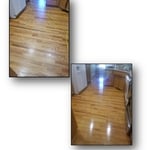
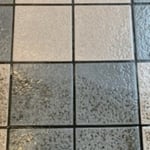
"Very professional, quick to respond to inquiry, excellent quality work on our hardwood floors and Travertine tile. Signed up for recurring care of the floors. Highly recommend. Well done."
"We weren't that happy with the results. It was a few years ago, and the surface is still pretty much intact. He had to use a primer and deck paint, rather than stain, and the primer showed through in several places as bright white marks against the dark brown stain. He left the extra paint so we could refinish where we wanted. We don't want or expect any follow up at this time. I understand that the deck needed a lot more work than the worker expected. So, my experience may not be a fair representation of this particular contractor. "
The best way to clean vinyl floors is to vacuum or sweep away debris and then mop the floors using a mixture of warm water and dish soap or vinegar. You can also use store-bought cleaners if they’re marked safe for vinyl surfaces.
After carpet removal, prepare for new flooring by assessing the subfloor. You will want to address any imperfections to create a smooth and level base for installation. Remember, proper subfloor preparation is crucial for optimal new flooring results. Consider repairing and replacing damaged areas for a stable foundation. For both wood and concrete subfloors, consider sanding to remove any debris or adhesives remaining thoroughly.
The best solution for mopping floors depends on the type of floor you have, but a good all-around or multi-purpose DIY floor cleaner is 2 cups of warm water, 5 to 10 drops of liquid dish soap, and 1 tablespoon of lemon juice. This is safe to use on tile, laminate, wood, polished concrete, vinyl, and more, as it’s relatively neutral and lacks caustic and abrasive chemicals that could be harmful to children and pets. You can also use a multi-purpose commercial cleaner, but make sure to follow the directions for safety.
You can buff out small scratches or indentations from your hardwood floor, but refinishing is your best bet if you have larger areas that need work. Floors in relatively good shape but have lost their luster can be restored with thorough buffing. If your finish has worn off in areas or if you have sun or water damage, you should go with refinishing instead.
Most experts agree that the best thing with which to clean epoxy floors is a diluted mixture of ammonia and warm water. You can also use mild dish soap diluted with warm water or a degreaser (such as Simple Green or Goof Off) diluted with warm water. Some soap-based cleaners can leave a haze. If you notice this, further dilute the mixture with water or use a different detergent that does not leave a film. You should never use harsh cleaning chemicals, any type of acidic compound (such as vinegar or citrus-based cleansers), or harsh scrubbers like steel wool or hard bristle brushes.
The O Brien, OR homeowners’ guide to floor polishing services
From average costs to expert advice, get all the answers you need to get your job done.
Polished concrete floor costs depend on the size of the area you’re targeting and the style of concrete floor. Our guide breaks down all the cost factors.
Hardwood floor repair costs depend on the problem. This guide breaks down common costs based on factors like the type of problem, repair method, and whether you hire a pro or DIY.
Faced with the shiny dilemma of polished concrete floors vs epoxy, you’ll need the details of cost, aesthetics, and durability to weigh and measure the winner.
With so many types of polished concrete floors to choose from, you should first learn about the classes of grinding, levels of polishing, and color options.