





"Eric R and Brandon F did a fantastic job. They took the time to show me what I needed. Thier attention to detail and explaining everything to me with pictures as proof was very nice. They had good suggestions on working on the roof instead of the siding as the roof was much worse."
"I only use James when I need some work done to my house. He responds fast, gets the work done quicker than just about anyone else I've ever used and seems very concerned with leaving his customers happy."
"They did a real good job. They were real professional. We can now open the garage door from the inside of the house and now it is so smooth that we have to check to see if we hit the button to open it or close it. Before we used to know when it was opening or closing because it used to make a noise. It helps when you move to a city where you are new. "
A standard drill will work just fine if you’re drilling small holes, and only a few of them. But anything with a diameter larger than 3/8 inch is best done with a hammer drill, since it is stronger, faster, and also makes your drill bits last longer. While you don’t absolutely need a hammer drill for stucco, it is a worthy investment if you think you might drill more holes down the road.
Homeowners insurance may cover the cost of siding repair or replacement, but coverage depends on the cause of the damage. Most policies will cover damage from a covered event, such as a storm, wind, hail, fire, natural disaster, or other impact damage. Your policy might pay for the full or partial cost of the repair or replacement. However, damage resulting from age, general wear and tear, or neglect is typically not covered, and you should expect to pay for those repairs out of pocket. It is best to review your specific homeowners insurance policy for full details on what is covered, how to file a claim, and what documentation is required.
If contractors discover water damage, rot, or mold beneath the stucco, additional repairs will be necessary. These repairs can increase your total project cost and timeline, but addressing them promptly is essential for your home’s structural integrity. Ignoring hidden damage can lead to more severe issues and higher costs in the future.
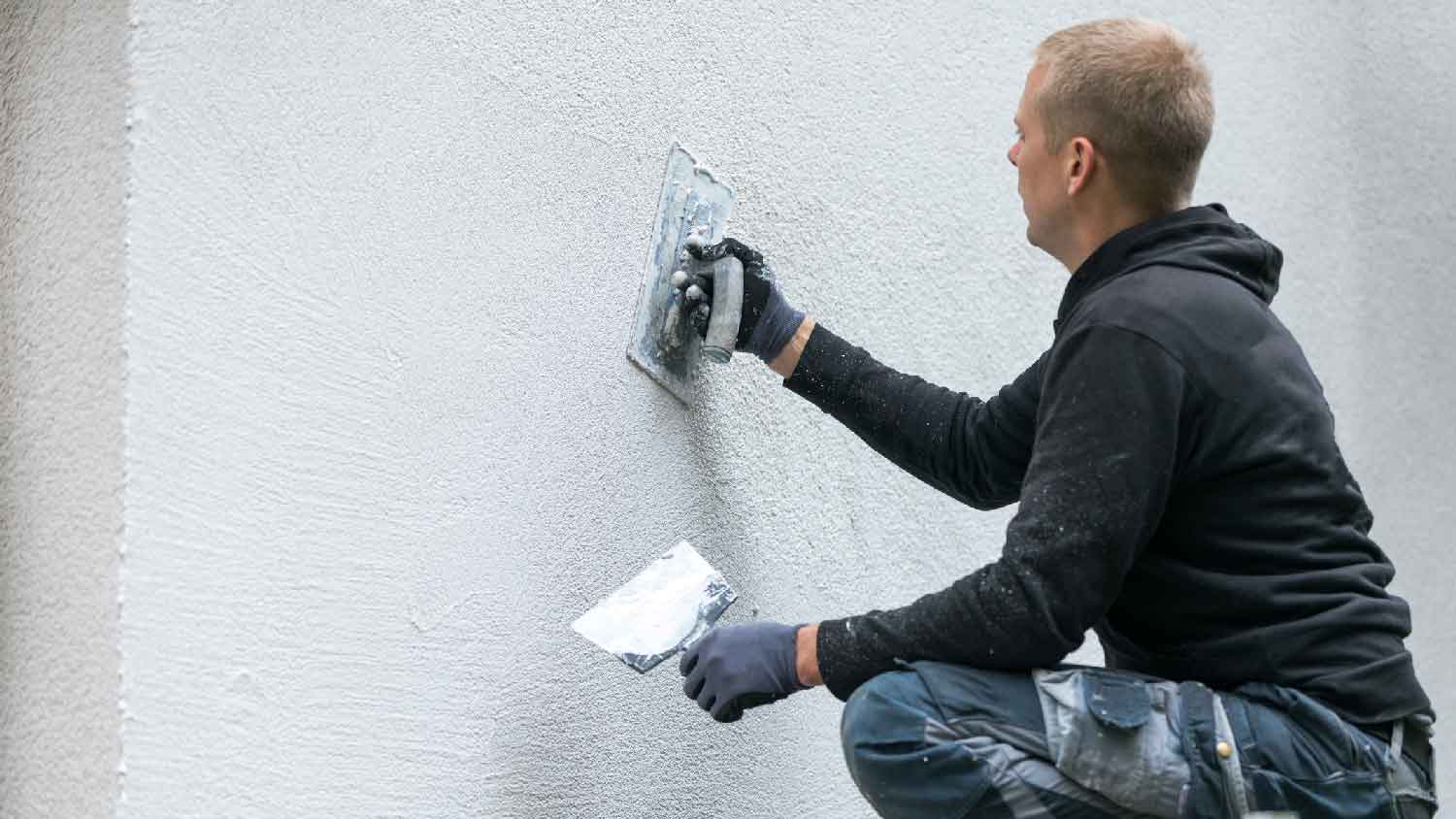
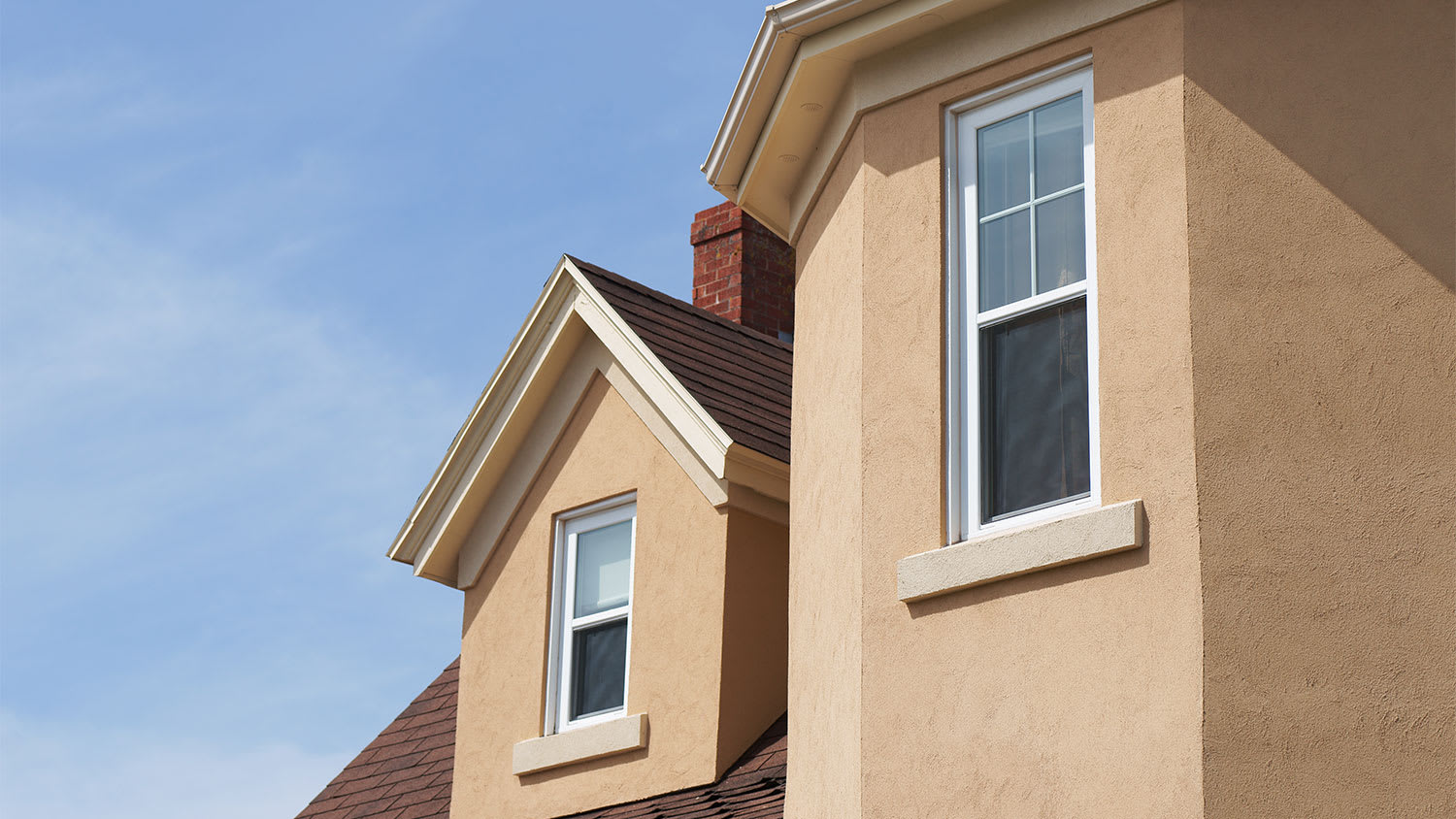
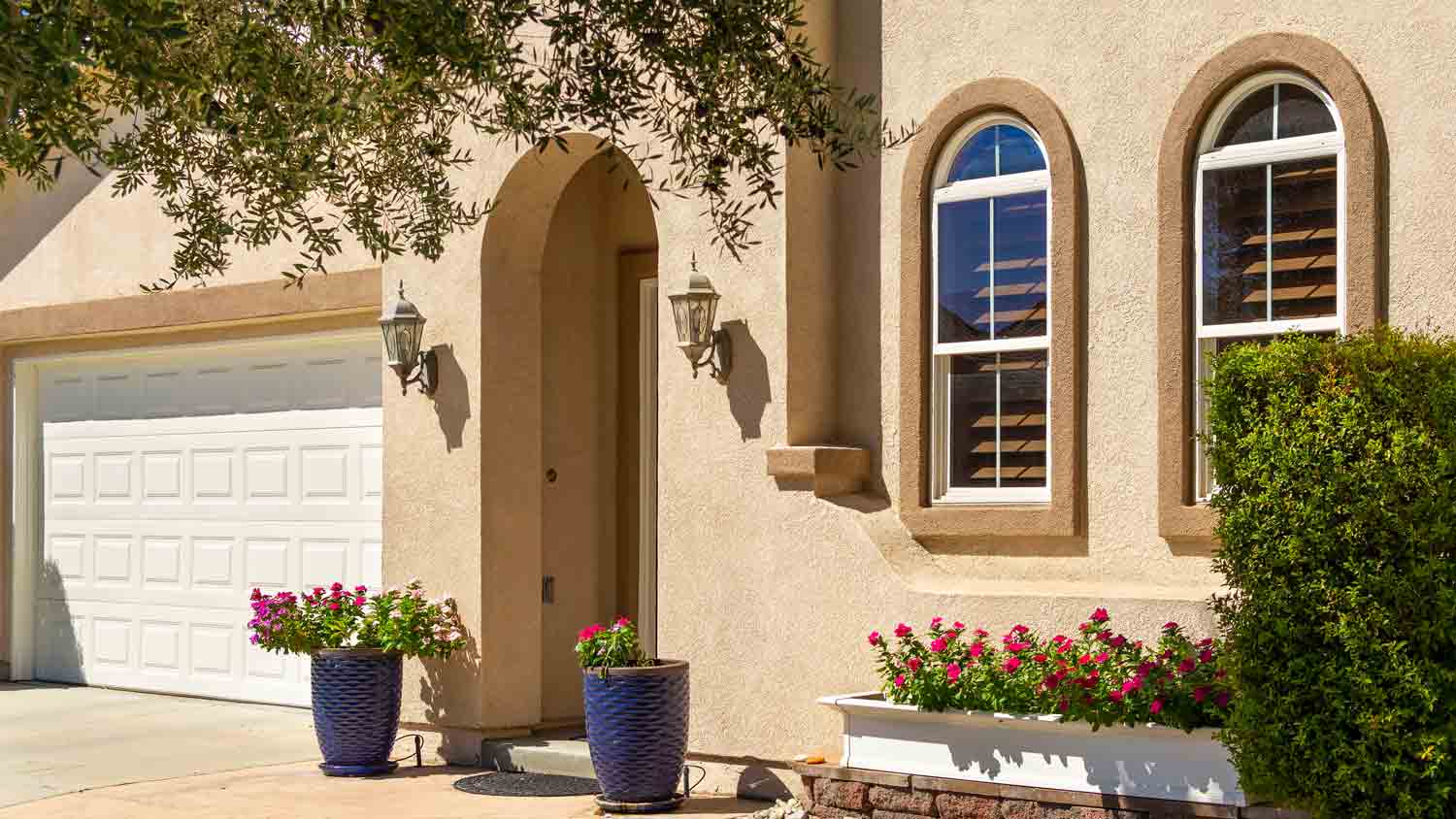
The average cost of stucco siding is $5,400, ranging from $2,200 to $8,840. Stucco is worth the investment, provided you have the work done by a professional. Not only is stucco an attractive and durable siding material that boosts your home’s curb appeal, but it’s also more energy-efficient than most other siding options, it’s fire-resistant, water-resistant, and more affordable to repair down the road.
The curing time for stucco typically takes several weeks to fully complete. During the curing process, the stucco undergoes a chemical reaction and gradually hardens. It's important to note that curing is different from drying. While the surface of the stucco may dry relatively quickly within a few hours or days, the curing process continues beneath the surface, strengthening and solidifying the stucco.
It's best to avoid excessive moisture exposure during the curing period, as it can impede the curing process. The exact curing time can vary based on factors such as temperature, humidity, and the specific stucco mixture used.
The Merrill, OR homeowners’ guide to stucco services
From average costs to expert advice, get all the answers you need to get your job done.
Discover the cost to stucco a house in 2026, including average prices, key factors, and tips to help you budget and plan your stucco project with confidence.
Installing new stucco gives your home a facelift and boosts home value. But can you stucco over stucco? You can, but there are some things to consider.
Choose the right pro for stucco installation to get the best professional-quality results. Learn who does stucco installation and the benefits of hiring a pro.