"They did a real good job. They were real professional. We can now open the garage door from the inside of the house and now it is so smooth that we have to check to see if we hit the button to open it or close it. Before we used to know when it was opening or closing because it used to make a noise. It helps when you move to a city where you are new. "
HIGHEND GENERAL SERVICES LLC\nElevated Property Care – You Ask, We Do It!\n\nAt Highend General Services LLC, we take pride in providing professional, reliable, and high-quality residential and commercial services. From minor repairs to complete property transformations, we bring your vision to life!\n\nOur Services Include:\n\n• Pool & Spa Pros: Installation, remodeling, repairs, cleaning, and maintenance.\n\n• Interior & Exterior Remodeling Pros: Kitchens, bathrooms, flooring, painting, siding, and renovations.\n\n• Irrigation & Landscaping Pros: Sprinkler systems, drainage, landscaping, pavers, and hardscaping.\n\n• Fabrication & Welding: Custom metalwork, gates, railings, and repairs.\n\n• Fencing, Decking & Porches: Custom fences, gates, decks, patios, and covered porches.\n\nQuality Workmanship. Reliable Service. Exceptional Results.\n\nNo job too small, no vision too big!\n\nYOU ASK, WE DO IT!\n\nContact us today for a FREE estimate!
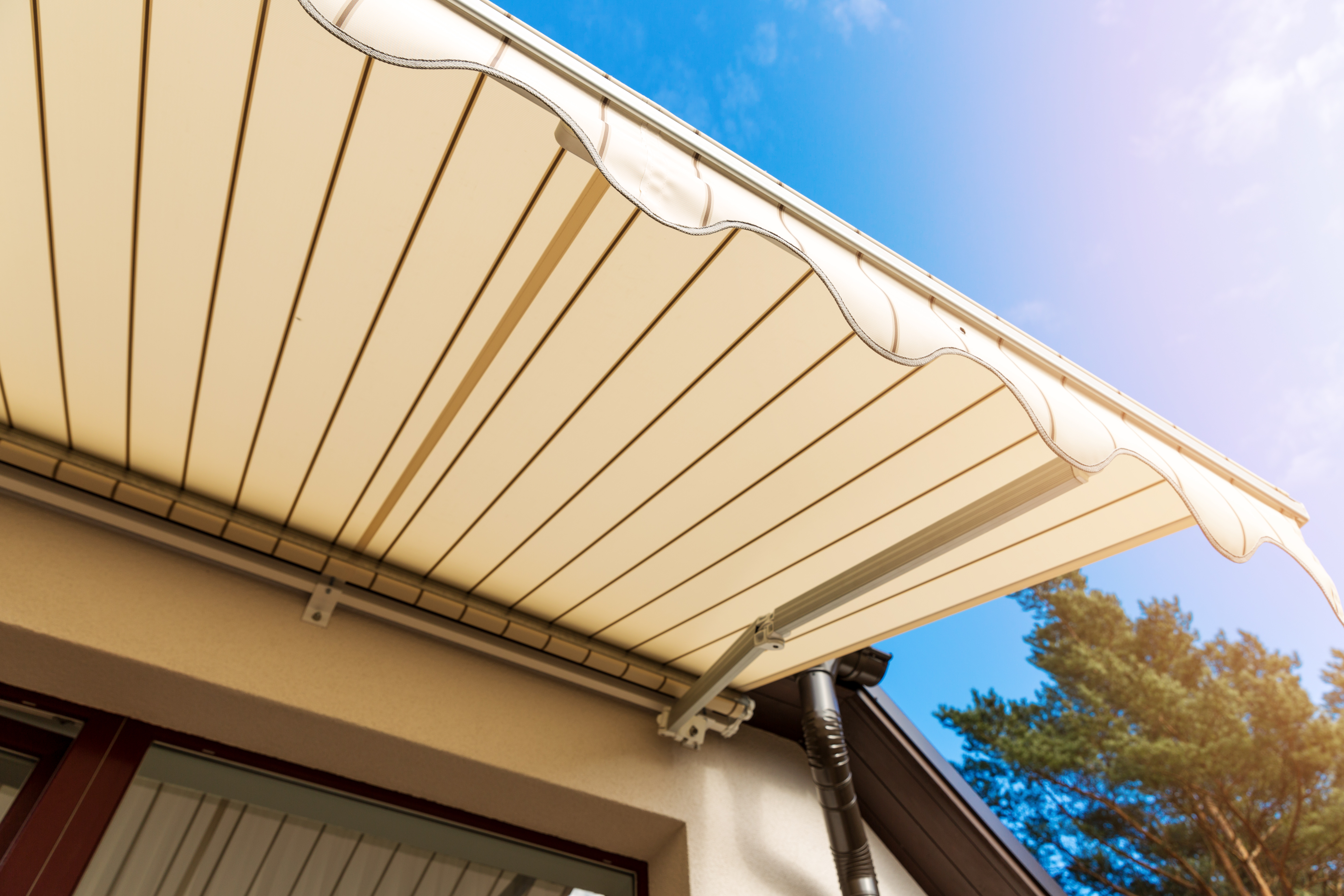
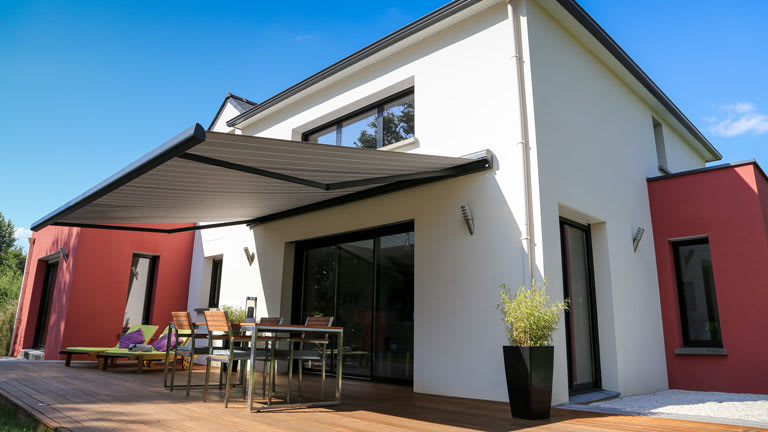
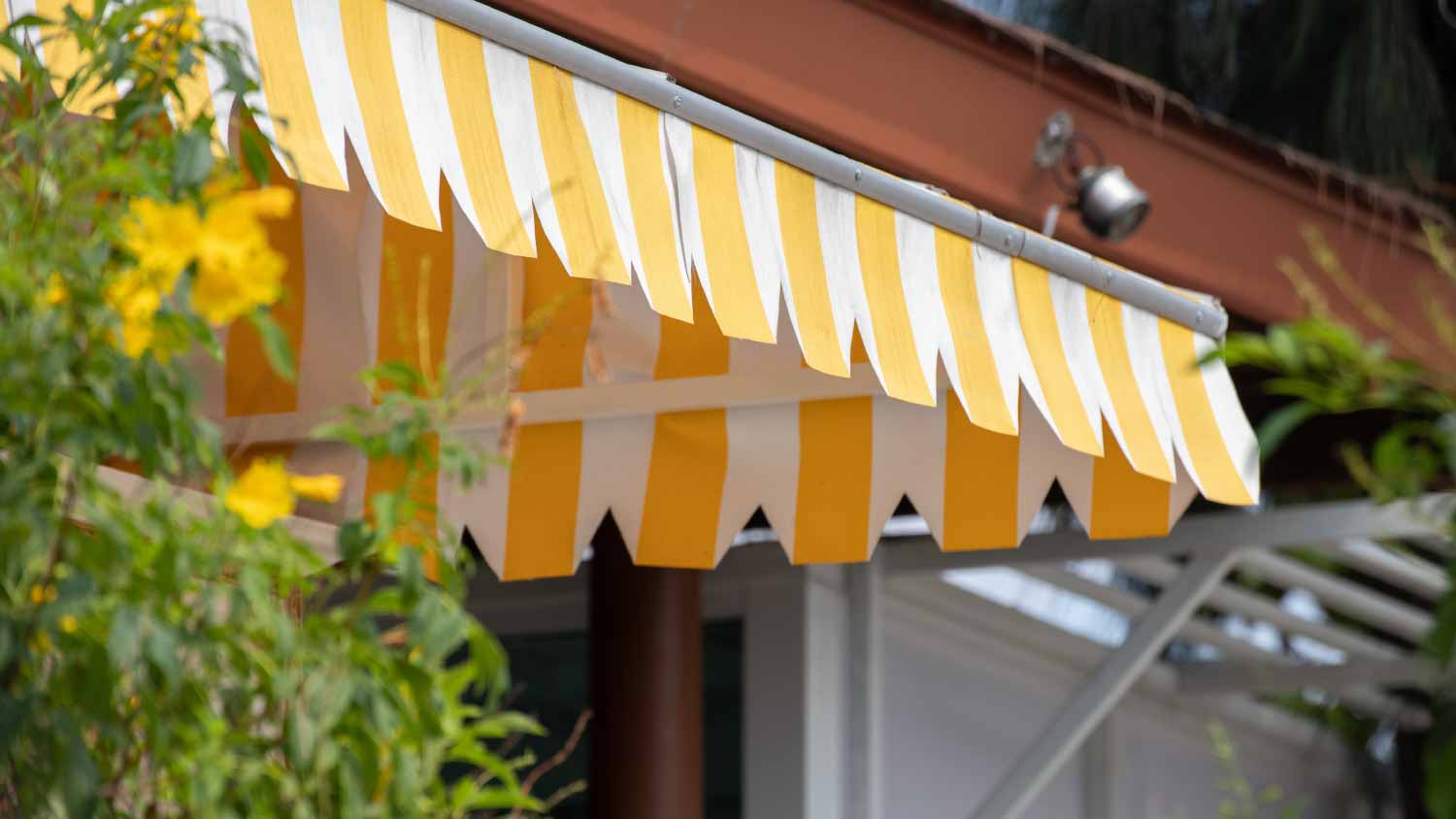
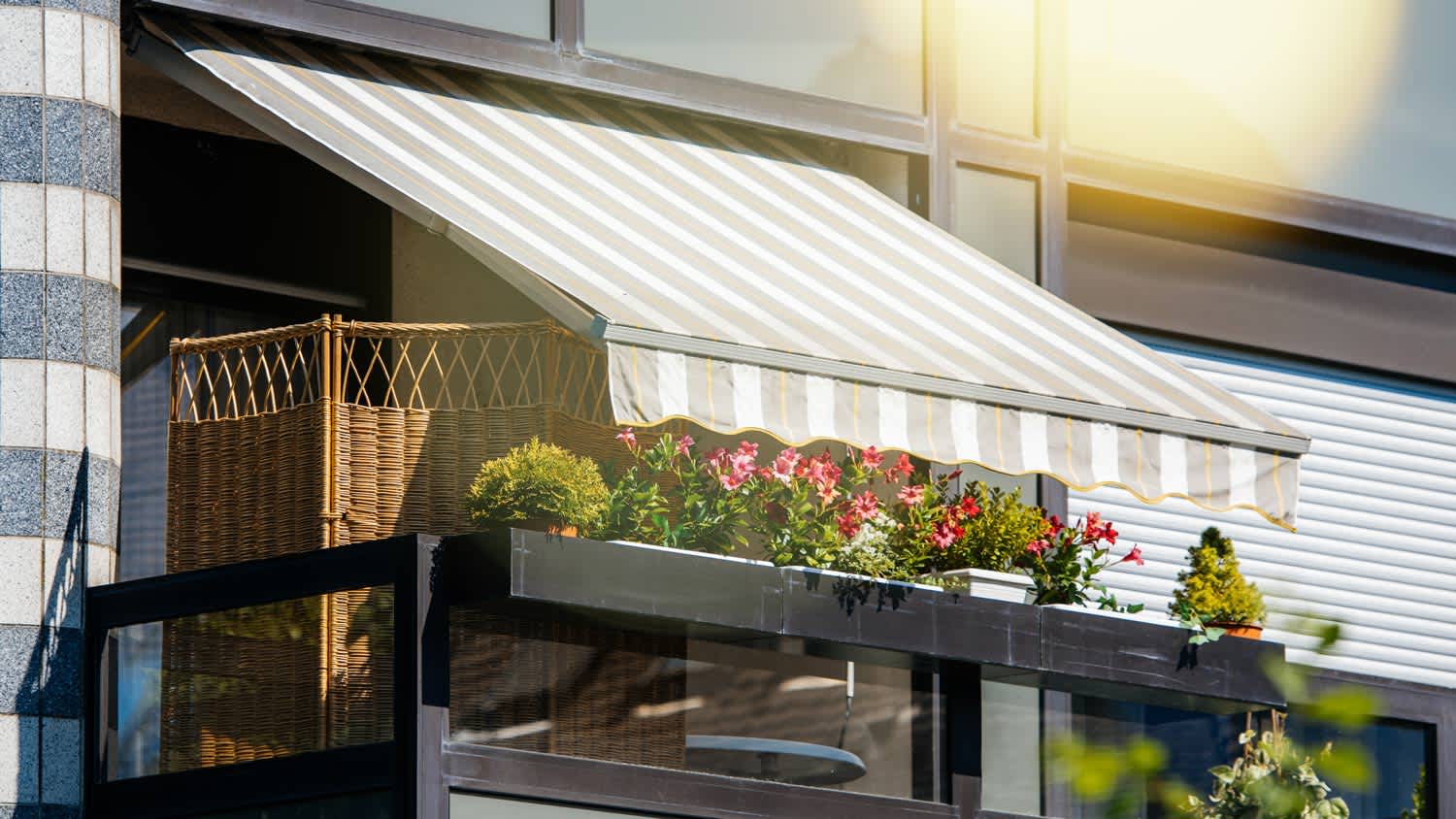
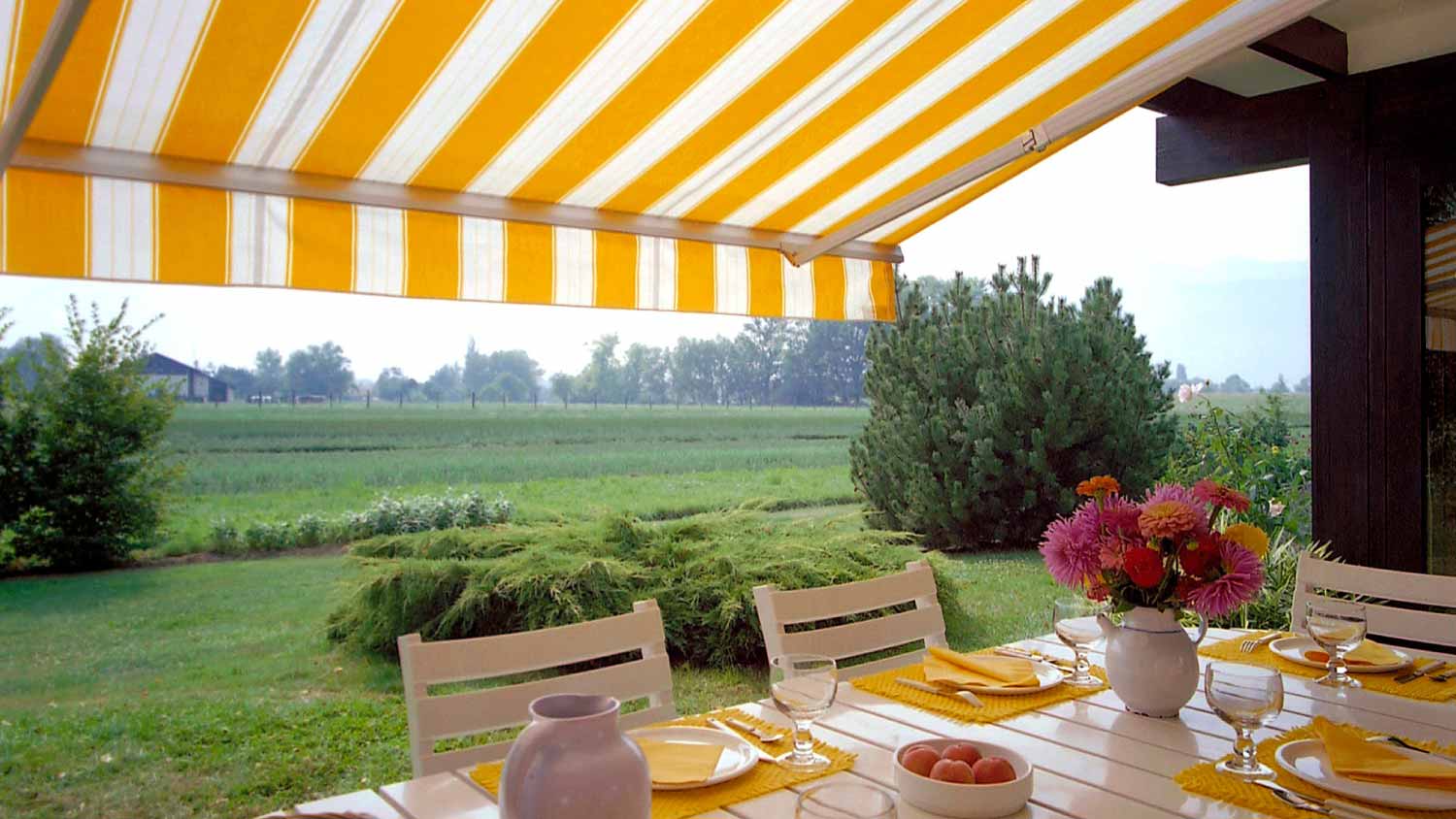
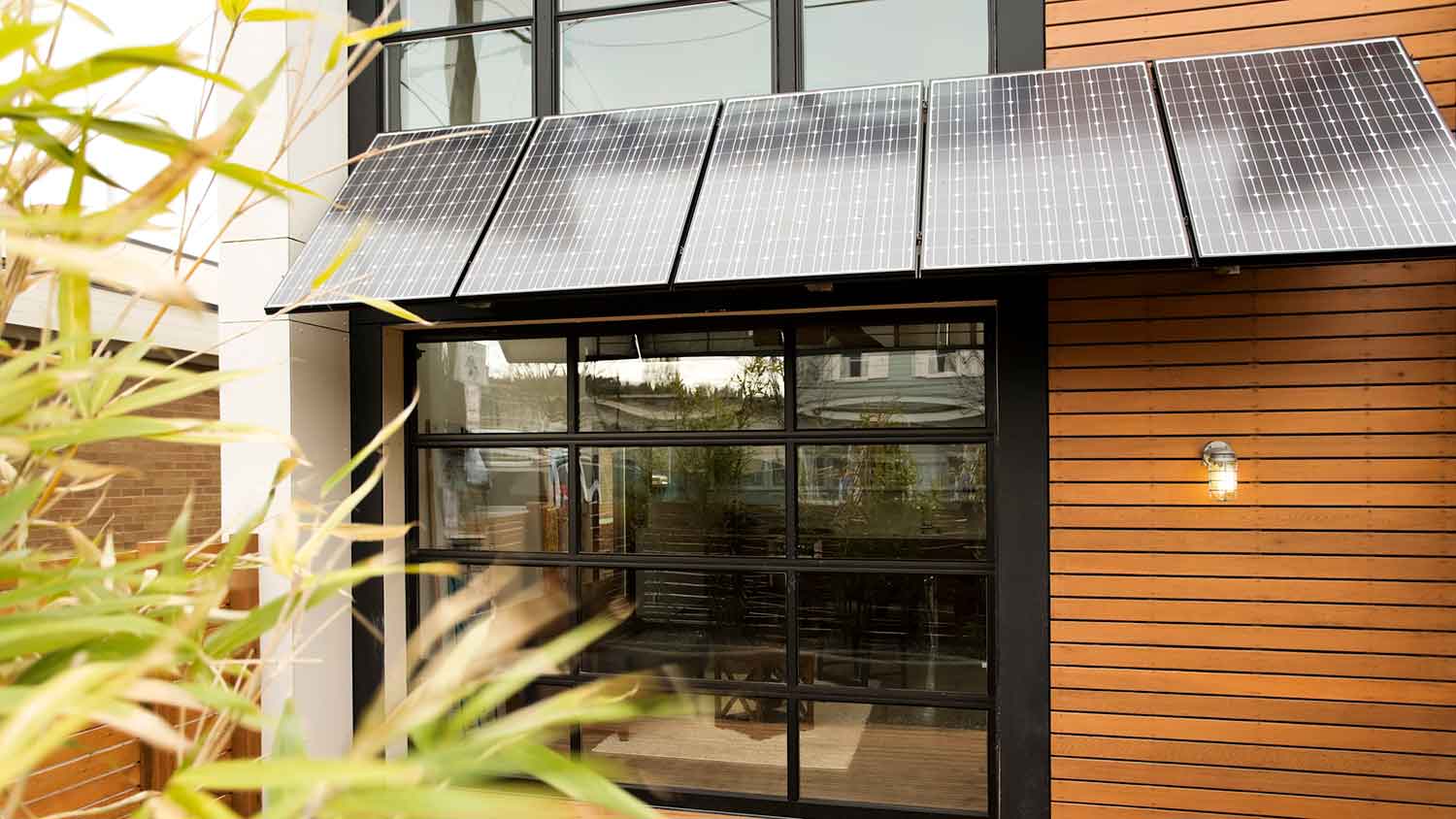
Besides the type of awning, you’ll need to choose the type of cover. Your awning installation professional will review your options with you, including availability and costs. The types of covers you can choose from include:
Wood, which is durable but can be damaged easily by rainwater and fire
Cotton offers flexibility, weatherproofing, and easy cleaning
Canvas is highly durable and is a good choice for retractable awnings
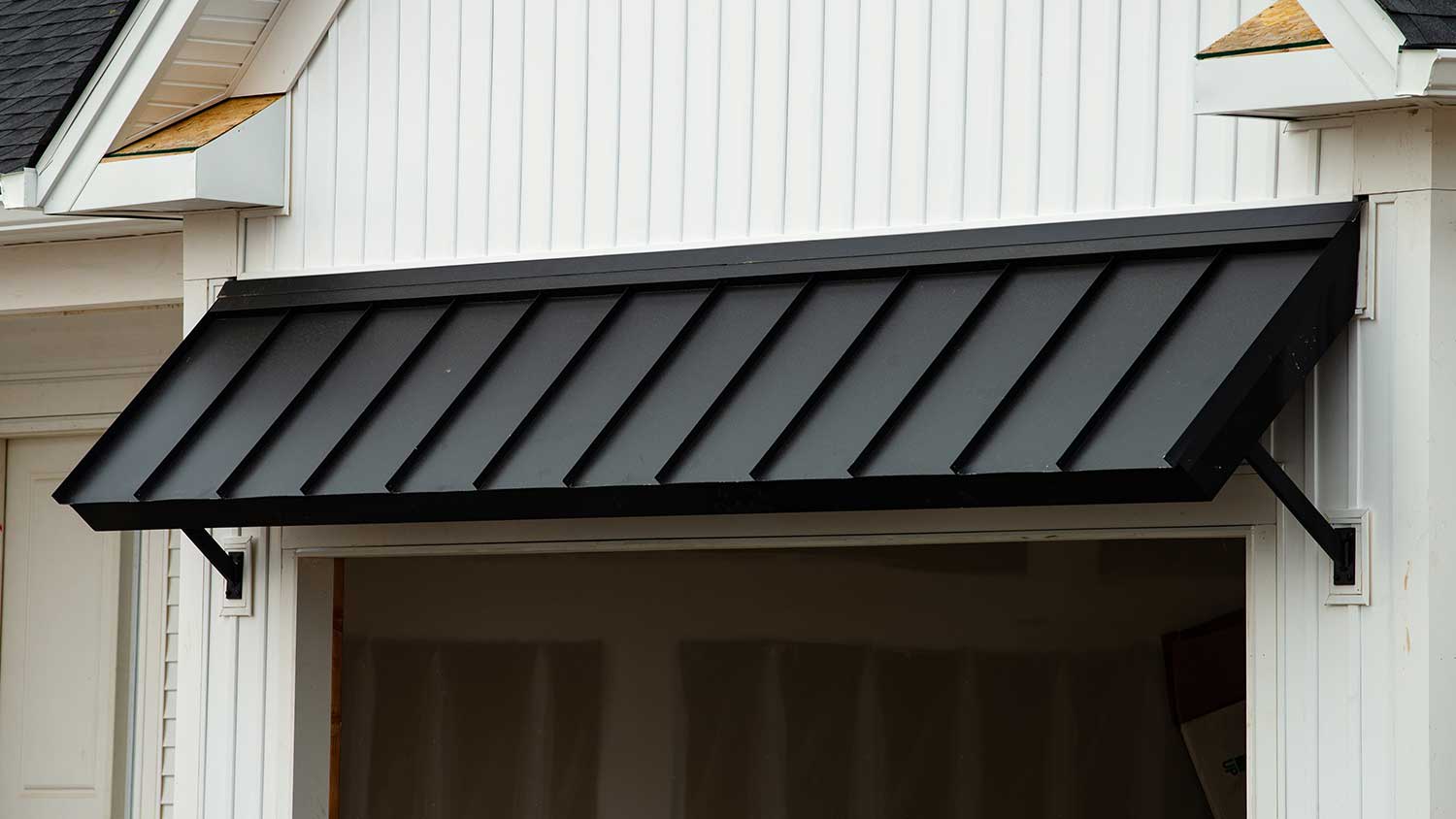
Metal is sturdy but is prone to rust
Polyester is easy to clean and is a more breathable option
Polycarbonate is highly resistant to UV rays and is difficult to damage
Stainless steel and copper are the most durable and will probably last the longest, especially when you compare them to fabric awnings. Steel is the most popular if your budget isn’t a top priority, but some people prefer copper awnings over steel because they are lighter, which makes them easier to install. Aluminum offers a more budget-friendly metal awning option that is still attractive and offers some durability, especially compared to fabric.
Minor fabric patching is DIY-friendly, but frame and mechanical repairs should be professionally handled.
Acrylic, polyester, and vinyl are common options. Choose based on durability, UV resistance, and style.
Yes, you can replace just the fabric on an awning without having to replace the entire awning frame and hardware. This process will take a professional about one to two hours. If you want to DIY, it could take longer, especially for large or retractable awnings. Replacing the fabric on an awning can improve the look of your home and help naturally cool your interior and exterior spaces.
The Fossil, OR homeowners’ guide to awning services
From average costs to expert advice, get all the answers you need to get your job done.
Need an awning that provides shade, comfort, and maybe some privacy from nosy neighbors? Use this guide to find the best awning for your home and lifestyle.