


Top-rated haulers.

Best haulers near Corvallis, OR

Enter your zip and get matched with up to 5 pros

TRUSTED BY CORVALLIS, OR HOMEOWNERS

  • Average homeowner rating star icon4.8
    Average homeowner rating
  • Verified reviews icon123
    Verified hauling services reviews

Top-Rated Haulers in Corvallis - Updated Nov 2026

Avatar for Ortmann Moving Company LLC
Ortmann Moving Company LLC
5.0(
6
)
Waste, Junk, Building Materials and Debris - Remove and Haul

Serving Corvallis, OR and surrounding areas

Approved

In business since 2023

Free estimates

Emergency services offered

"I had years of stuff piled up in storage and didn't know where to start. OMC cleared it all out and cleaned the space. They helped decide what to keep, donate, sell or toss. I finally have room I can actually use again! The crew was friendly, considerate and professional. I got a quote from another company too, but this one felt a lot more genuine. I've got another area that's been taken over by storage, and I'll be calling them again when I'm ready to tackle it. Thanks OMC"
Junk removal
58 neighbors recently requested a quote

B&b Recycling
New to Angi
Waste, Junk, Building Materials and Debris - Remove and Haul

Serving Corvallis, OR and surrounding areas

Approved

Free estimates

Small jobs welcome

Hello, my name is Brian and my wife's name is Bonnie. We have been metal recyclers for over twenty years. We have recently decided to grow our business and get our name out to more than just our local community. We pick up appliances of all kinds, cars and trucks with titles, automotive batteries, and we can also haul some small-size dump runs. free estimates via picture or in person.

...
Showing 1-10 of 97
Hauling FAQs, answered by experts

Professionals are trained in identifying hazardous materials and utilize industry-approved methods for safe handling and disposal. They adhere to regulatory frameworks to protect health and the environment, ensuring all materials are disposed of safely and responsibly.

Composting can be a great alternative if you’re looking for a way to dispose of food scraps without a garbage disposal. If you have the space in your yard, you can install a compost bin or compost pile and add food waste. After enough time and heat, the compost will break down and can be used to mulch your garden. 

If you don’t have space for compost, consider city-run programs or local companies that will pick up your food waste.

Depending on your location, you can bring items to your local dump. It’s important to check their guidelines on what they accept, as not all dumps will take all items. 

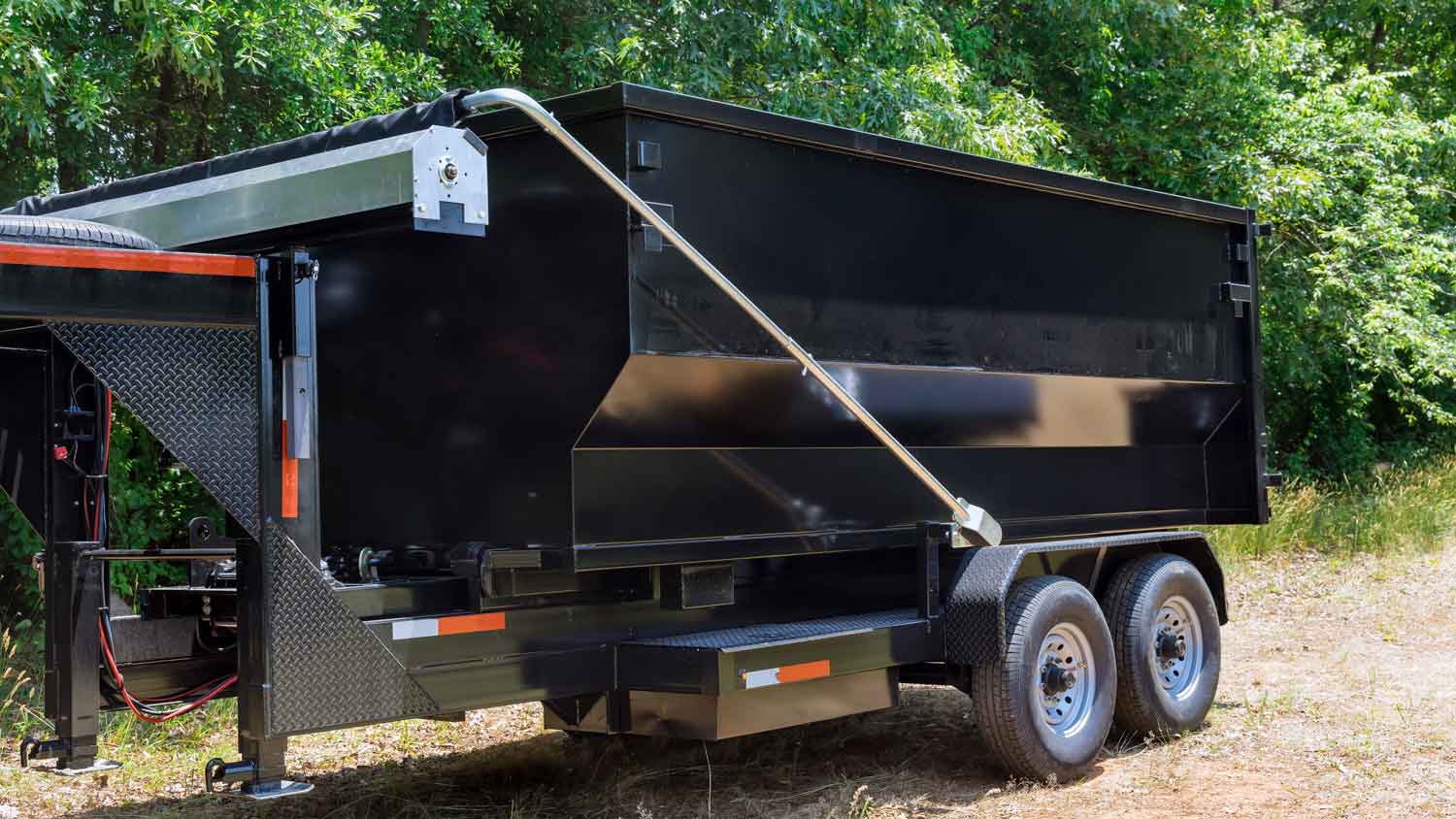
In addition, renting a dumpster is an option in most areas. Renting a dumpster will cost around $400 for a week, including the cost of hauling it away. However, it does not include labor to lift heavy items into the dumpster. If you have very large or heavy items, chemicals, or other items that you cannot bring to your local dump, contact a junk hauling company.

Several types of items aren't allowed in roll-off dumpsters. First of all, hazardous materials and hazardous liquids are a no-go. This includes asbestos, oil, wet paint and other materials. Other banned items include batteries, electronics with lithium batteries, propane tanks, tires, and appliances with refrigerants. Some areas have shifting requirements (for instance, certain locations do not allow mattresses), so check with your local regulatory agency.

While a biohazard cleanup sounds like a scary process, knowing what to expect can help ease your concerns and set you up for success. It’s good to note that more than one professional might be needed depending on your situation, but that will be determined during the assessment. What you can expect during a home biohazard cleanup is the following:

  • Assessment: The first step in this process is for a biohazard cleanup professional to assess the damage. They create a report that includes the biohazard safety level, the needed damage cleanup, and the time it should take to complete the project. 

  • Setup: The cleanup professional prepares the site to prevent cross-contamination and reduce toxicity risk. This process can include tarping and creating decontamination zones. 

  • Removal of surface contamination: Any contaminated materials are removed from the area, starting with large materials followed by small ones. The professional can assess any floor-related damage once everything is removed from the site. 

  • Salvaging items: The biohazard cleanup professionals assess which items can be saved and which are contaminated beyond the point of saving. Those deemed unsafe will be disposed of immediately. 

  • Waste disposal: The next step is carefully disposing of the hazardous waste. Your professional will place the contaminated items in specific containers to keep the contamination from spreading.   

  • Disinfection: The house will be disinfected and odor-neutralized. Even more minor details, like light switches and bulbs, will be disinfected so that they do not recontaminate the area in the future. 

  • Restoration: Once the decontamination is complete, the last step is to restore the home. This includes repairing the damage to flooring, walls, or even the home's foundation.  

The Corvallis, OR homeowners’ guide to hauling services

From average costs to expert advice, get all the answers you need to get your job done.