



Top-rated fire pit installation pros.

Best fire pit installation pros near Coquille, OR

Enter your zip and get matched with up to 5 pros

Need a pro for your fire pit installation project in Coquille, OR?

Select your specific project to find the pro for you.

TRUSTED BY COQUILLE, OR HOMEOWNERS

  • Average homeowner rating star icon4.4
    Average homeowner rating
  • Verified reviews icon30
    Verified fire pit installation services reviews

Top-Rated Fire pit installation pros in Coquille - Updated Nov 2026

Avatar for Outer Shell LLC
Outer Shell LLC
1.0(
1
)
Handyman for Multiple Small Projects

Serving Coquille, OR and surrounding areas

In business since 2024

Free estimates

Welcome to Outer Shell LLC! We take pride in the quality of work and customer satisfaction that we give each and every customer! We are known to pay exquisite attention to detail while making customer satisfaction our top priority. Call us today to learn more about how we can help you! \n

Response time3 days
Showing 1-10 of 29
Fire Pit Installation FAQs, answered by experts

Signs that your dryer is about to catch fire include a burning smell or the dryer and the clothes getting hotter than usual. If this happens, turn the dryer off immediately and call a repair professional. Another less urgent sign is that your clothes are taking longer to dry than normal. If this is the case, check the lint trap, vent, and duct to make sure they are all clean. If they are, you may need to call a pro to find the source of the issue.

Yes, fire extinguishers eventually expire. However, the good news is that a properly stored fire extinguisher can last a decade or longer. They don’t have an expiration date on the canister, but you can check the manufacturing date on the “UL” nameplate near the classification information. Maintenance will also give your fire extinguisher longevity. Check the gauge at the top of the extinguisher every month. You'll want to make sure the gauge needle is in the green section, and if a hose or nozzle has been used or damaged, you need to replace it.

Generally, an oil furnace is considered safer than a gas furnace for several reasons. While both types of furnaces can produce carbon monoxide, a leak in an oil furnace is easier to detect due to the smell. Oil furnaces also don't connect to a gas pipeline, which reduces the chance of a fuel leak. Most importantly, heating oil is not combustible, whereas natural gas is highly flammable. This means there is a much lower risk of combustion or explosion with an oil furnace. However, an oil furnace can still pose a fire hazard if it tips over.

Yes, a hot or overheating outlet is a fire hazard and can cause a fire. An outlet becoming hot indicates an electrical problem, such as an overloaded circuit, loose connections, or a faulty component. The heat from these issues can ignite nearby flammable materials like curtains or furniture. If you notice an outlet is hot to the touch, turn off the power at the circuit breaker, unplug any connected devices, and consult a qualified electrician. If a fire does start, use a Class C fire extinguisher or baking soda to suppress it, or evacuate immediately and call the fire department.

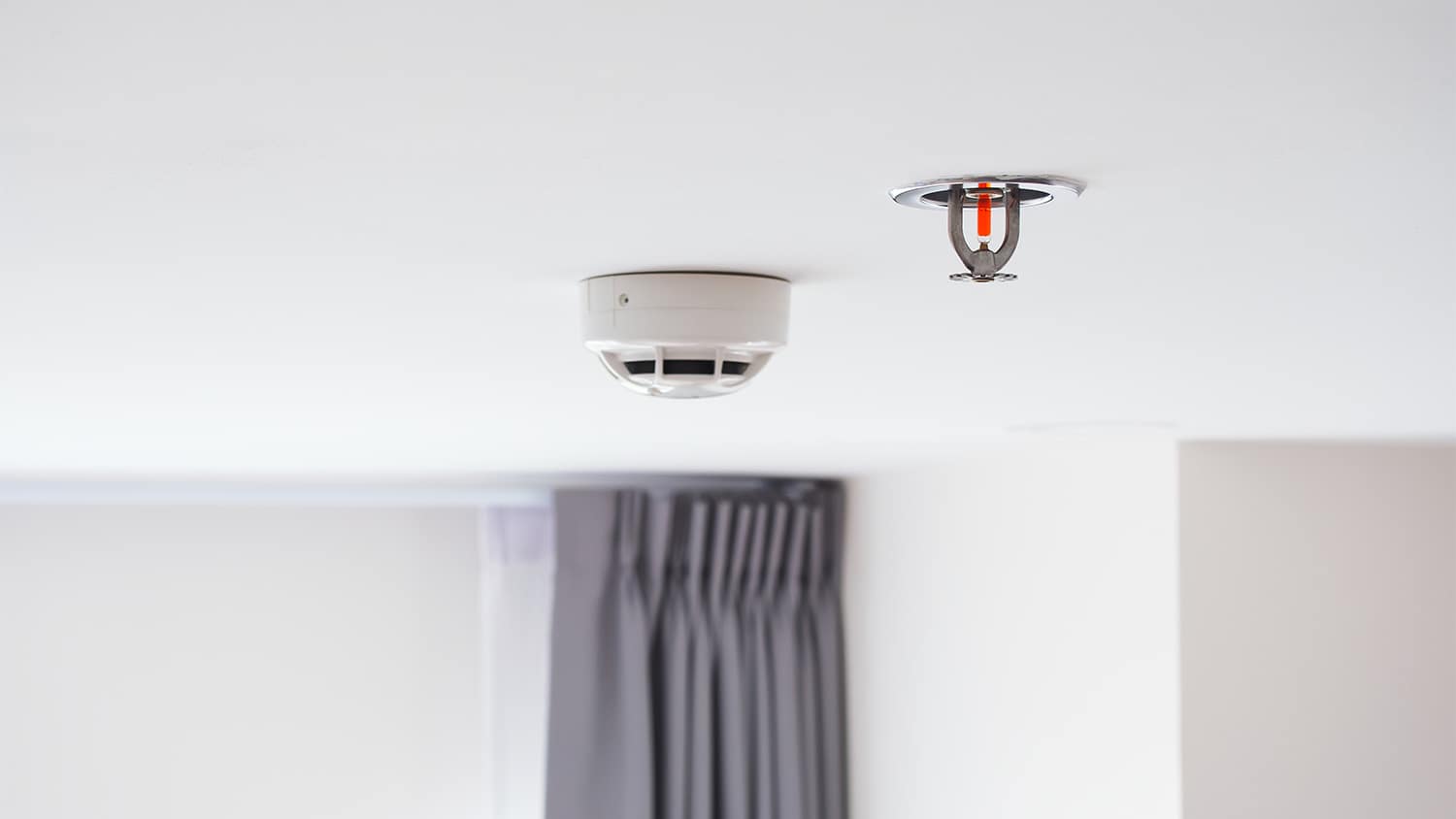
You don’t have to put smoke detectors in every room. At a minimum, though, there should be one on every level of your home, one in every bedroom, and one in the hallways outside the bedrooms. If you have a floor without bedrooms, place a smoke detector in the living room or next to any stairs that lead to an upper level. Attics and basements should also have at least one smoke alarm.

The Coquille, OR homeowners’ guide to fire pit installation services

From average costs to expert advice, get all the answers you need to get your job done.