








Top-rated bird control service pros.

Get matched with top bird control service pros in Toppenish, WA

Enter your zip and get matched with up to 5 pros

Need a pro for your bird control service project in Toppenish, WA?

Select your specific project to find the pro for you.

TRUSTED BY TOPPENISH, WA HOMEOWNERS

  • Average homeowner rating star icon4.7
    Average homeowner rating
  • Verified reviews icon12
    Verified bird control services reviews

Find Bird control service pros in Toppenish

Avatar for True North Pest Defense
True North Pest Defense
New to Angi
Pest Control - Birds and BatsPest Control - Birds and Bats - For Business

Serving Toppenish, WA and surrounding areas

Free estimates

Emergency services offered

Warranties offered

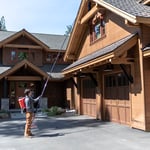
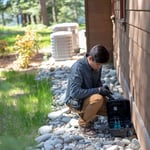
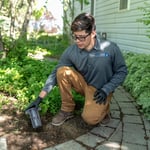
As a solo-operated business, there's no call center, no hand-off, and no runaround — when you call, you're talking to the person doing the work. If something's not right, I make it right, personally. That's not a policy. It's just how I do business.\n\nTo ensure complete peace of mind, services are fully backed by comprehensive general liability insurance and a straightforward service guarantee. Treatments begin with a thorough inspection to identify and treat the root cause to target current pests and prevent future outbreaks. If pests return between scheduled maintenance visits, True North returns to address the issue at no additional charge.

Bird Control questions, answered by experts

Woodpeckers peck at the break of dawn and take a break whenever the sun is not shining. On sunny days, expect pecking from dawn to dusk. On cloudy days, expect sporadic pecking when the sun peeks through. These birds are most active in the spring; you’ll hear them drumming as soon as the weather turns warm. 

Signs include visible nests, droppings, frequent loud noises, or structural damage caused by these animals, indicating a need for pest control intervention.

Once the animals and their young are out of the house, remove the nest and locate any entry points. Some may be difficult to find because some animals can fit through very small holes. Once you’ve located as many entry points as possible, use materials such as metal or masonry to block off the entry. Ideally, you should choose materials that most animals cannot chew through. Create a one-way door or flap to allow animals to leave but not return. Additional methods include using repellants designed to make an area unappealing to the types of animals that find your home so inviting. 

Some of the plants listed above, like daffodils, are poisonous to many animals if eaten. But wild animals instinctively avoid them, for the most part. Household pets don’t always have the same survival instinct, which is why it’s a good idea to familiarize yourself with common plants that pose a danger to cats and dogs.

Identifying the specific animal running on your roof at night can be challenging without direct observation. Common nocturnal roof visitors include raccoons, squirrels, opossums, and rats. Raccoons are bigger and can create heavy thumping sounds. Squirrels are agile and may produce rapid scurrying noises. Opossums tend to move stealthily with less noise. Rats can make scratching or gnawing sounds. To determine the culprit, look for signs like footprints, droppings, or damaged areas near the roof. For accurate identification, consult a pest control professional or set up wildlife cameras near potential entry points.

The Toppenish, WA homeowners’ guide to bird control services

From average costs to expert advice, get all the answers you need to get your job done.