




Top-rated excavation pros.

Best excavation pros near Oakland, OK

Enter your zip and get matched with up to 5 pros

Need a pro for your excavation project in Oakland, OK?

Select your specific project to find the pro for you.

Top-Rated Excavation pros in Oakland - Updated Nov 2026

Avatar for Jensen Irrigation
Jensen Irrigation
4.9(
21
)
Landscape - Minor Grading or Resloping

Serving Oakland, OK and surrounding areas

Approved

In business since 2025

Credit card accepted

Offers commercial services

"Jensen Irrigation did a fantastic job for me on my irrigation system. Caleb was quick to respond, assessed what needed to be done and had some great suggestions, and did the work well, leaving everything look great and in perfect order. I would highly recommend Jensen Irrigation. I have already enlisted them to do some additional work for me, including sod, landscaping, and tree trimming."
Avatar for Compean Excavation
Compean Excavation
New to Angi
Building Site - Preparation and ClearingBuilding Site - Preparation and Clearing - For BusinessExcavation - Major Grading or Resloping+1 more

Serving Oakland, OK and surrounding areas

Approved

Free estimates

Small jobs welcome

Offers commercial services

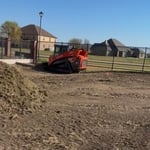
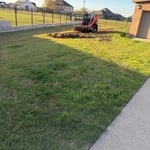
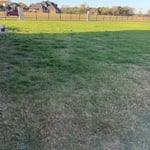
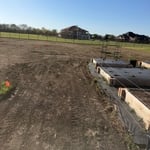
Skid Steer Operator for Hire – Site Prep & Dirt Work\n\nNeed dirt moved or land cleared? \nProfessional skid steer services available with an experienced operator. From small cleanups to full site prep, no shortcuts—just solid work.\n\nBrush clearing, grading, driveways, pads, trenching, and more. Residential and commercial jobs welcome. Serving North Texas.\n

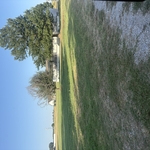
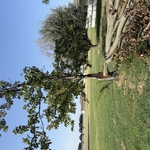
Finished Grading
Finished Grading
Finished Grading
Cedar Hill Project
BJ Moving
New to Angi
Landscape - Minor Grading or Resloping

Serving Oakland, OK and surrounding areas

Approved

BJ Moving is a locally owned Dallas moving company built by experienced movers who value hard work, reliability, and excellent customer service. With nearly five years of moving experience, we handle your belongings with care and treat every move as if it were our own.\n\nWe provide residential and apartment moving, office moves, packing, loading and unloading, furniture assembly, junk removal, and labor-only services. Whether you’re moving across town or simply need extra hands, our professional team is ready to make the process safe, smooth, and stress-free.\n\nChoose BJ Moving for dependable service, careful handling, honest pricing, and a hardworking team you can trust. Contact us today for a free quote!

...
Showing 1-10 of 84
Excavating FAQs, answered by experts

Trenching and boring are two distinct methods for installing underground utilities. Trenching involves digging a channel using equipment like an excavator, trencher, backhoe, or shovel. While it is a simpler process, it causes significant disruption to the surface, landscaping, and surrounding ecosystems.

Boring, also known as directional boring, is a less invasive alternative that uses a drill to create a tunnel for utility lines without disturbing the surface. This method is more precise and is ideal for installations that need to go underneath buildings, roads, or bodies of water. Although boring is less disruptive, it is generally more expensive than trenching.

Yes, you can excavate in the winter, but it might make the job harder. Frozen ground is harder to dig, and snow or ice can make the work site more hazardous. A contractor may need special equipment and techniques, such as ground-thawing methods, to break through frozen soil. Although winter excavation is possible, it may take longer and be more costly than excavating during warmer months.

In the United States, a depth of 36 inches (three feet) for underground water lines is the accepted industry standard. This depth varies from location to location based on local conditions. In areas with colder winters, they may be buried deeper to prevent frozen well water pipes : This is usually at least six inches below the frost level. The International Plumbing Code calls for a minimum of 12 inches below grade.

No, fire blight does not survive free in the soil but instead is carried through insects, animals, rain, or wind during the spring. Keep in mind that it can also spread on tools, which is why you should always disinfect them in between cuts.

Trenchers can dig holes as narrow as 4 inches or as wide as 4 feet. Check the specifications of the trencher you rent or buy to determine how wide it will cut into the landscape. Better yet, let the excavation company know how wide you’d like the trench to be, and they can help you choose the right trencher for the job (or do it for you).

The Oakland, OK homeowners’ guide to excavation services

From average costs to expert advice, get all the answers you need to get your job done.