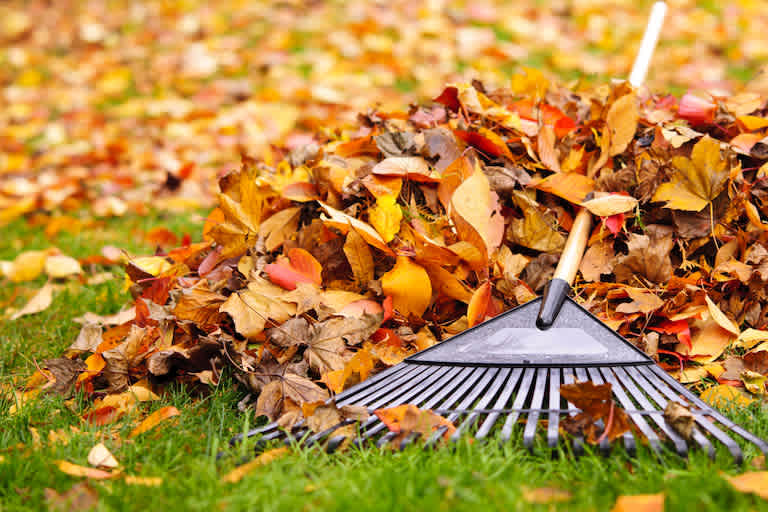
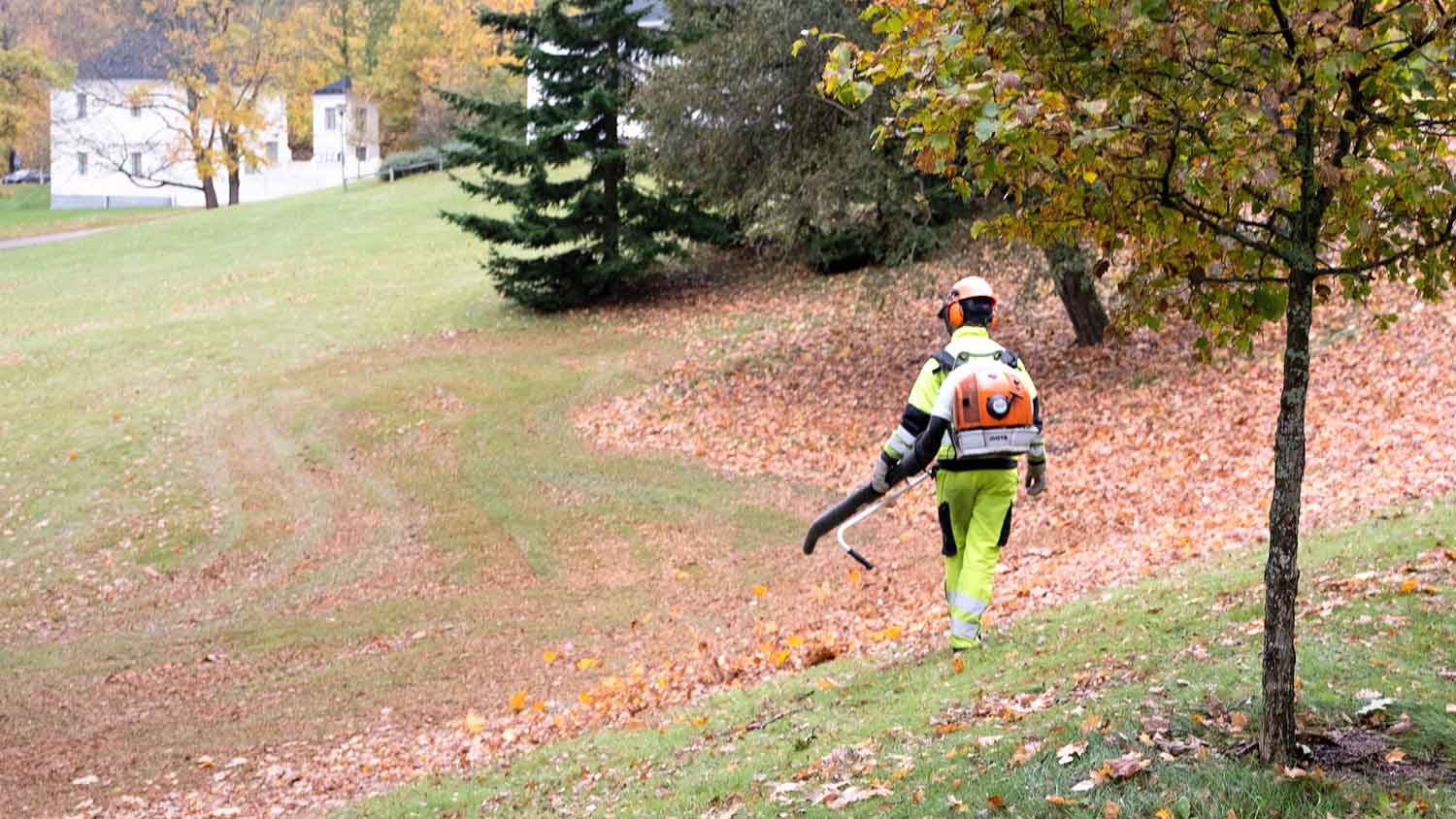
Top-rated leaf removal pros.

Best leaf removal pros near Jennings, OK

Enter your zip and get matched with up to 5 pros

Need a pro for your leaf removal project in Jennings, OK?

Select your specific project to find the pro for you.

Top-Rated Leaf removal pros in Jennings - Updated Nov 2026

Stealth Recycling
New to Angi
Waste, Junk, Building Materials and Debris - Remove and Haul

Serving Jennings, OK and surrounding areas

Approved

Free estimates

Emergency services offered

Warranties offered

locally owned and operated junk and waste removal serving the Oklahoma City metro. We handle residential and commercial hauls — furniture, appliances, construction debris, yard waste, and full cleanouts. Fast quotes, upfront pricing, and same-week service in most cases. Licensed and insured, and we always leave the site clean.

Colby Rethford
New to Angi
Lawn & Yard Waste Clean UpLawn Care - Fall / Spring Clean Up - For BusinessLawn Care - Maintain and Mow a Lawn

Serving Jennings, OK and surrounding areas

Approved

Hello! I am passionate about working with my hands and getting them dirty. I have been taking things apart, figuring out how they work, and putting them back together again since I was able to hold a wrench. I am an Ex- ASE certified automotive technician, so I thrive with diagnosis and repair! Great with tools and figuring things out!

...
Showing 1-10 of 114
Leaf Removal FAQs, answered by experts

Hazardous waste is waste that poses a threat to human or environmental health. This generally refers to waste that is flammable, corrosive, toxic, or reactive. To confirm if the waste you need to remove is considered hazardous waste, contact your local hazardous waste facility.

According to the Environmental Protection Agency (EPA), hazardous waste is generally classified into four main categories:

1. Characteristic Wastes: These exhibit at least one of four hazardous traits: ignitability (flammable, like gasoline), corrosivity (can rust or decompose materials, like car batteries), reactivity (unstable and can explode, like aerosol cans), or toxicity (harmful when ingested, like lead-based paint).

2. Listed Wastes: These are specific wastes from manufacturing and industrial processes that the EPA has officially designated as hazardous. They include byproducts from processes that use solvents, pesticides, and other chemicals.

3. Universal Wastes: These are commonly generated hazardous items that are subject to streamlined regulations. Examples include batteries, pesticides, mercury-containing equipment (e.g., bulbs), and some lamps.

4. Mixed Wastes: This category includes waste that contains both hazardous and radioactive components, making it subject to regulation by both the EPA and the Nuclear Regulatory Commission.
Government regulations such as the EPA and OSHA govern lead removal procedures to ensure health and environmental safety during and after abatement.

You can sell a house with lead paint, but there are several requirements. If you are aware that lead paint exists anywhere in the home, you must disclose that to potential buyers. Required home inspections will often uncover lead paint, especially for older houses where lead paint may still be a problem. If you have taken steps to encapsulate lead, you should provide buyers with full documentation of the project so it won’t cause any problems later on.

Unfortunately, lead dust does not look different from any other type of dust. You cannot detect it with the naked eye. To determine if you have lead dust in your home, you will need to hire a local company to take a sample from the paint and test it for you in a lab.

The Jennings, OK homeowners’ guide to leaf removal services

From average costs to expert advice, get all the answers you need to get your job done.