



Top-rated concrete mudjacking pros.

Best concrete mudjacking pros near Heavener, OK

Enter your zip and get matched with up to 5 pros

Need a pro for your concrete mudjacking project in Heavener, OK?

Select your specific project to find the pro for you.

Top-Rated Concrete mudjacking pros in Heavener - Updated Nov 2026

Promax Concrete
5.0(
2
)
Concrete - Injection Leveling - MudjackingConcrete - Injection Leveling - Mudjacking - For Business

Serving Heavener, OK and surrounding areas

Free estimates

Credit card accepted

"I'm one of the first people to review this business! Naturally, because of that, I was somewhat skeptical about if I should hire Joey and his crew. I'm really glad that I did. Joey did great work to hand mix and pour a small concrete pad for a greenhouse in my backyard. He was easy to work with, reasonably priced, prompt, and cleaned up when he was finished. He helped me make some decisions for the placement, and even gave me some advice about how we could cut the cost down on the project. He even threw in a little extra repair to a brick I had that was falling out of a retaining wall close to the site where he was working on my main project. Give these guys a chance, and they'll do great work for you!"
Concrete Patio
Recommended by100%of homeowners
Concrete Mudjacking FAQs, answered by experts

Trenching and boring are two distinct methods for installing underground utilities. Trenching involves digging a channel using equipment like an excavator, trencher, backhoe, or shovel. While it is a simpler process, it causes significant disruption to the surface, landscaping, and surrounding ecosystems.

Boring, also known as directional boring, is a less invasive alternative that uses a drill to create a tunnel for utility lines without disturbing the surface. This method is more precise and is ideal for installations that need to go underneath buildings, roads, or bodies of water. Although boring is less disruptive, it is generally more expensive than trenching.

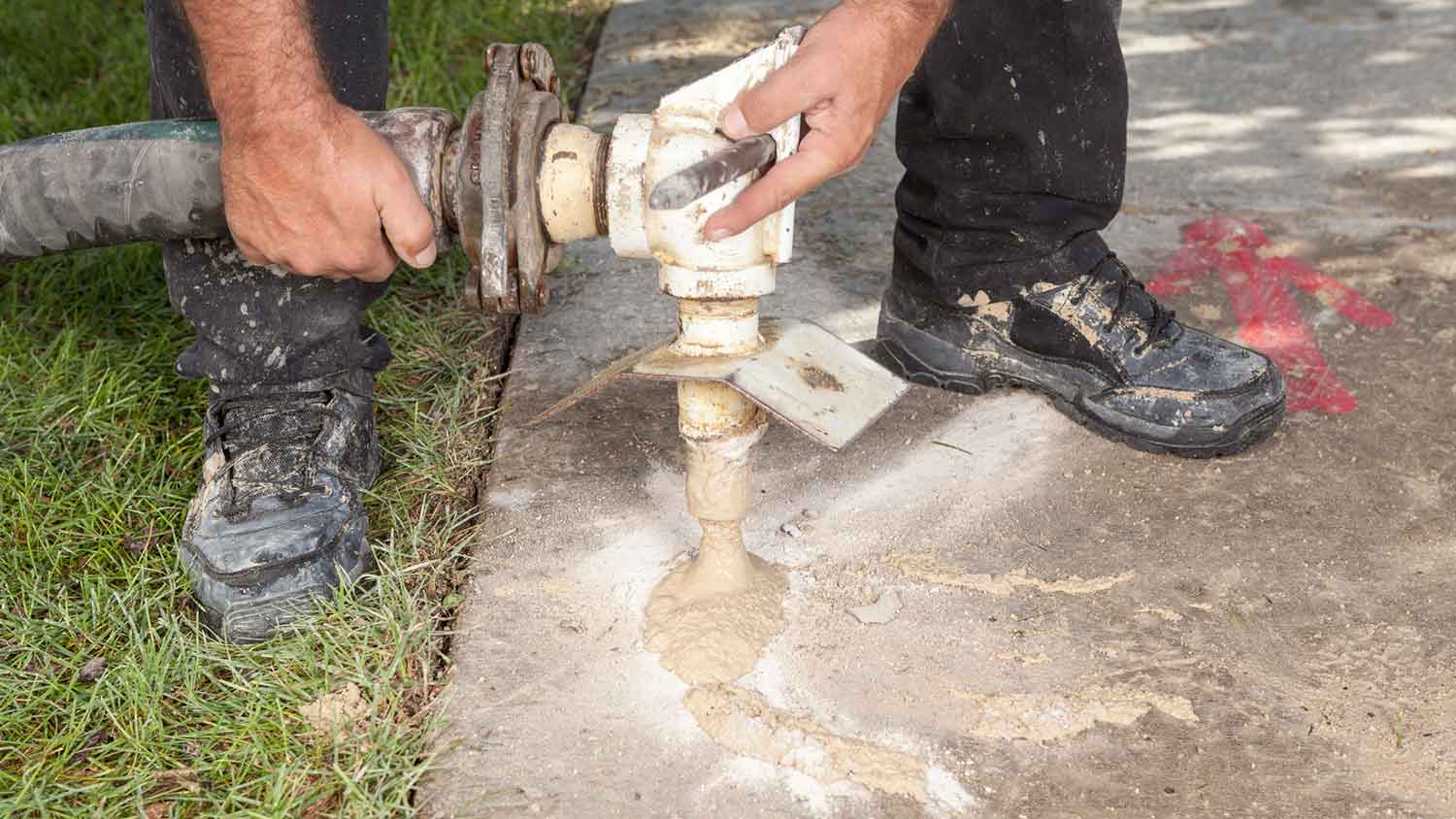
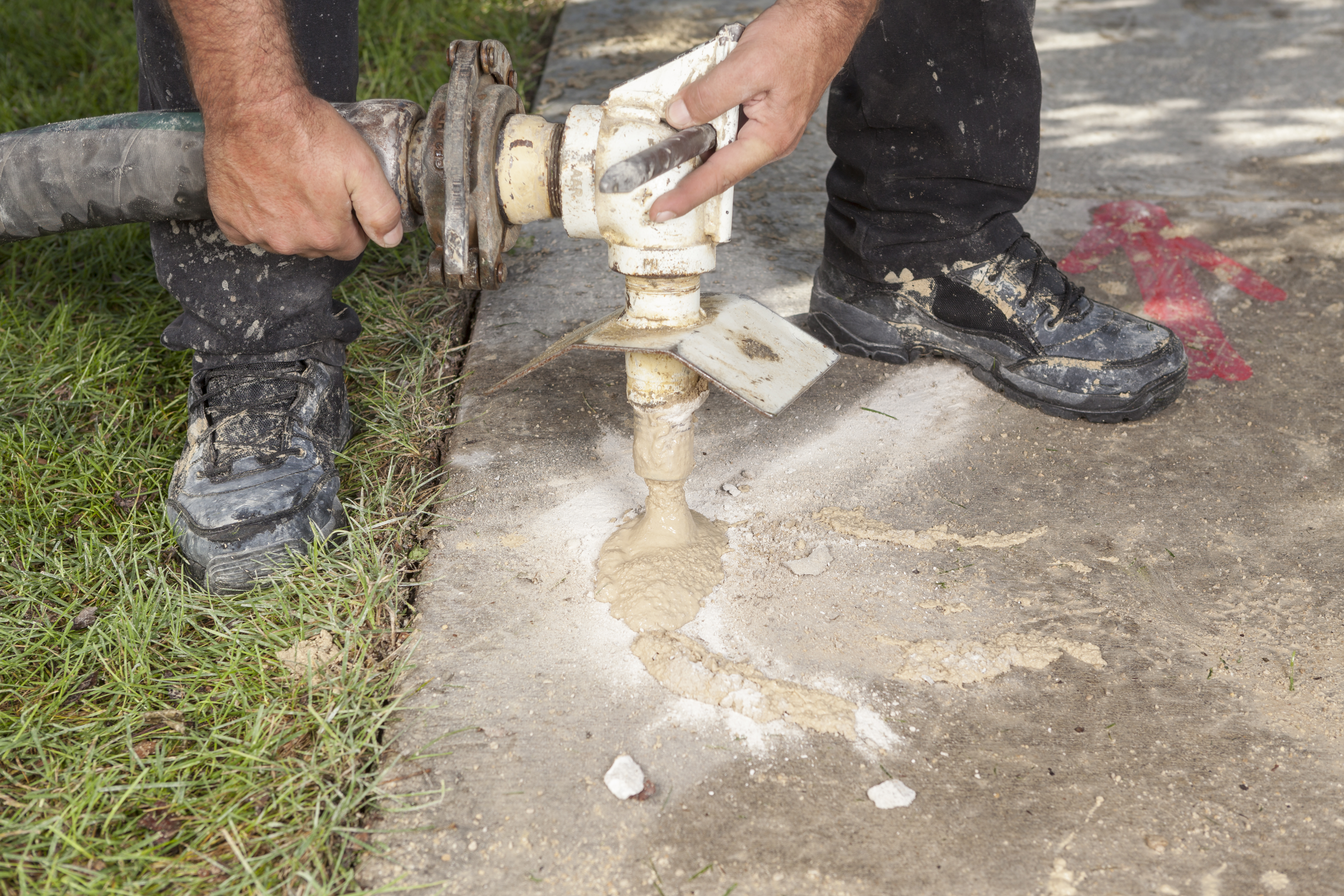
Mudjacking typically takes 24 to 72 hours (one to three days) to dry and cure completely before you can resume normal use. The total drying time can vary depending on the size of the project. Because the slurry mixture contains cement, it needs to harden fully to prevent the concrete slab from shifting under added weight. You should avoid walking on the concrete or placing heavy items like furniture or vehicles on the surface until it has fully set. Your concrete contractor can provide a precise timeline. As a point of comparison, if you opt for polyjacking, the polyurethane foam can dry in minutes, but it's recommended to wait about an hour before use.

Mudjacking is usually reserved for light-duty slabs, like patios, driveways, and sidewalks. However, it can be an effective way to lift garage slabs and concrete around the perimeter of the home, which could harm your foundation if it’s not done properly. The risk of damage is why having a professional mudjacking company carry out the work is important. This type of slab or foundation repair is relatively inexpensive, especially if you consider that a DIY job requires that you pay to rent the necessary equipment.

Polyjacking and mudjacking can both be effective solutions for sinking concrete, but they have key differences. Polyjacking, which uses expanding polyurethane foam, is often considered a better option because the foam is significantly lighter than the cementitious material used for mudjacking. This reduced weight puts less pressure on the underlying soil and lowers the risk of future sinking. Polyjacking is suitable for any sinking concrete slab, while mudjacking is typically only recommended for non-structural concrete, such as sidewalks, patios, pool decks, and driveways. The primary drawback of polyjacking is its cost, which can be up to four times higher than mudjacking—as much as $25 per square foot compared to a maximum of about $6 per square foot for mudjacking.

Generally speaking, push piers—or steel piers—are the best option for underpinning, as they reach down to solid bedrock to find support for your foundation rather than relying on soil, which could be subject to the same issues as the soil directly below your foundation. However, the best underpinning method for your home depends on your location, how far down the bedrock is, and the type of soil in your area. Helical piers are usually the best option for sandy soil or in areas where the bedrock is too deep to use steel piers.

The Heavener, OK homeowners’ guide to concrete mudjacking services

From average costs to expert advice, get all the answers you need to get your job done.