




Get matched with top drywall pros in Bray, OK
Top-rated drywall pros.

Need a pro for your drywall service project in Bray, OK?

Select your specific project to find the pro for you.

Find Drywall pros in Bray

L and L Adventures
New to Angi

Serving Bray, OK and surrounding areas

Approved

Free estimates

Emergency services offered

Warranties offered

Hi, my name is Tommy and I'm the owner and operator of l and L Adventures. A small company formed so I can meet the needs of individuals in need of a variety of jobs completed. My service extend from small home and farm repairs and services to remodels, custom drywall finishing and textures, landscaping and planning, painting and much much more. \nTogether we can find an innovative solution to meet your needs. God provides and if we love him and one another the same we will surely make him smile. Free estimates. Call me anytime to chat about what I can do for you.

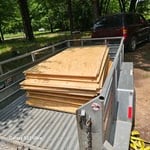
Subfloor replacement

+15

Avatar for JC & CDS LLC
JC & CDS LLC
4.8(
6
)

Serving Bray, OK and surrounding areas

In business since 2009

Free estimates

Emergency services offered

"They were great! They made sure to clean everything thoroughly & quickly! I asked for a deep clean and they did just that. They were also very kind. Great pricing as well. I would definitely recommend JC & CDS LLC for any kind of cleaning service."
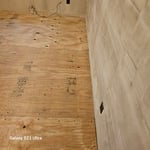
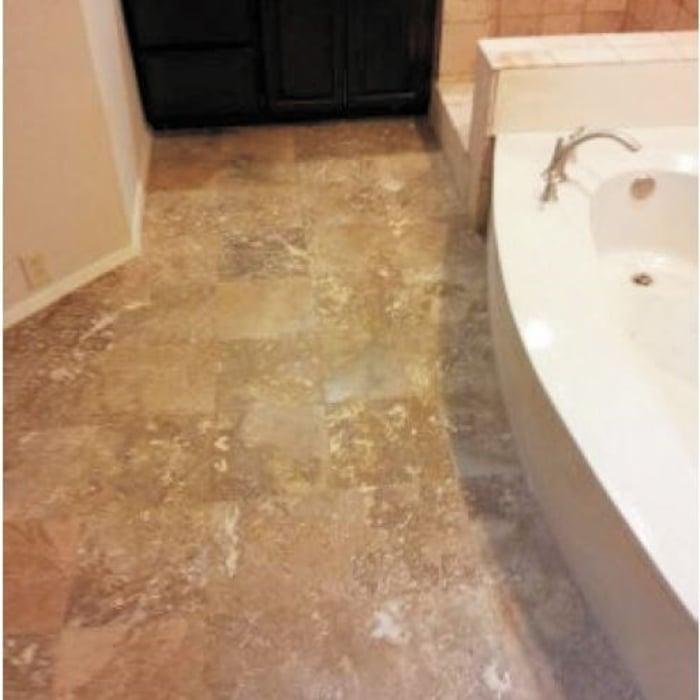
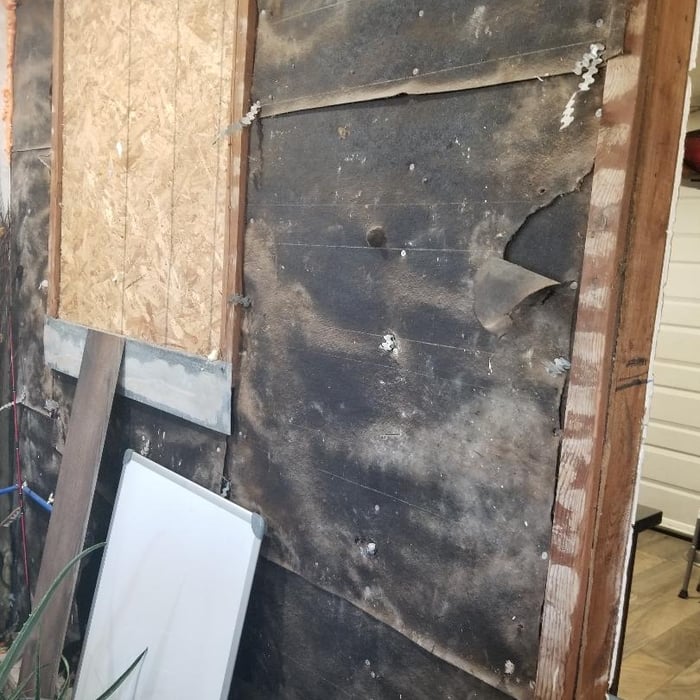
WATER DAMAGE
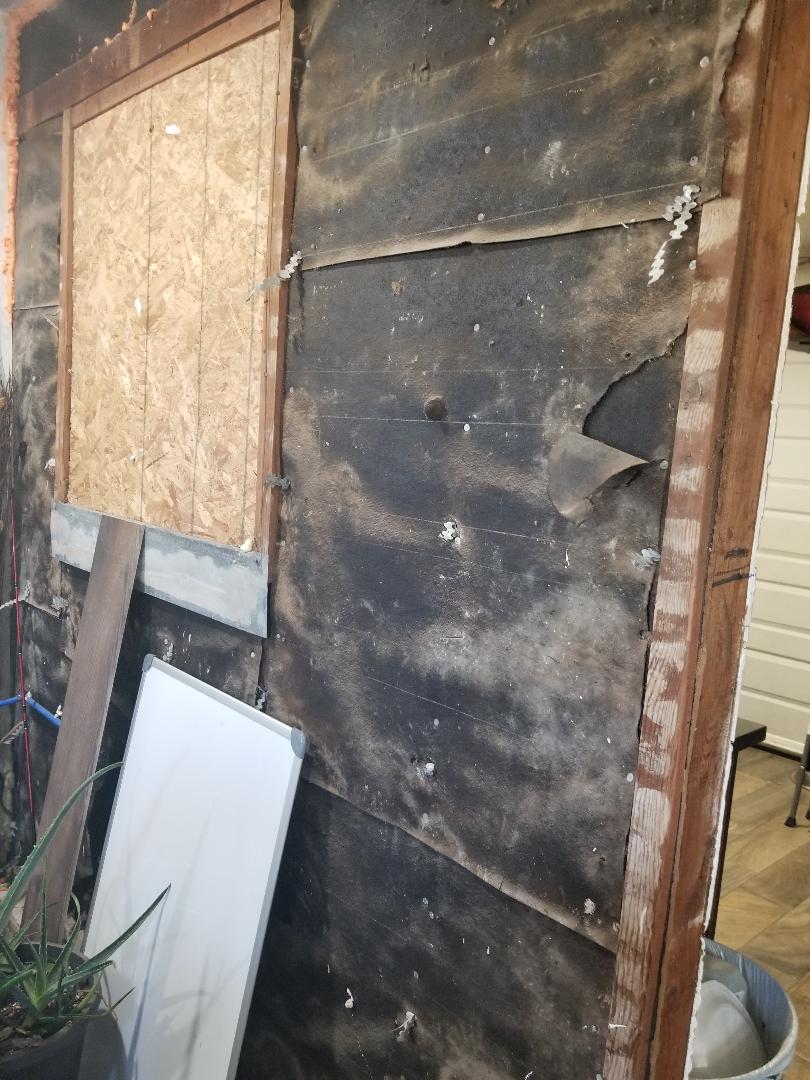
WATER DAMAGE
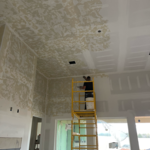
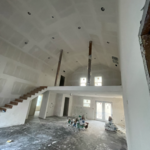
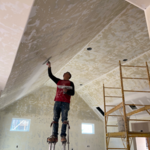
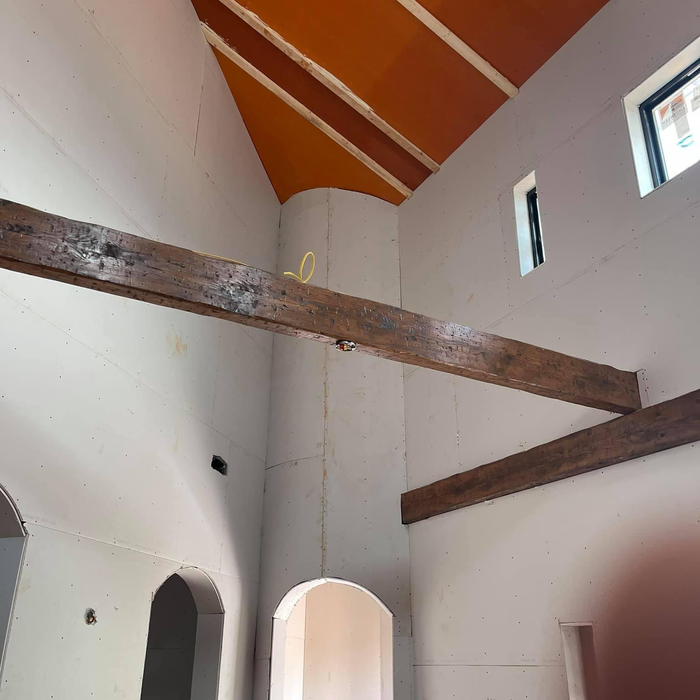
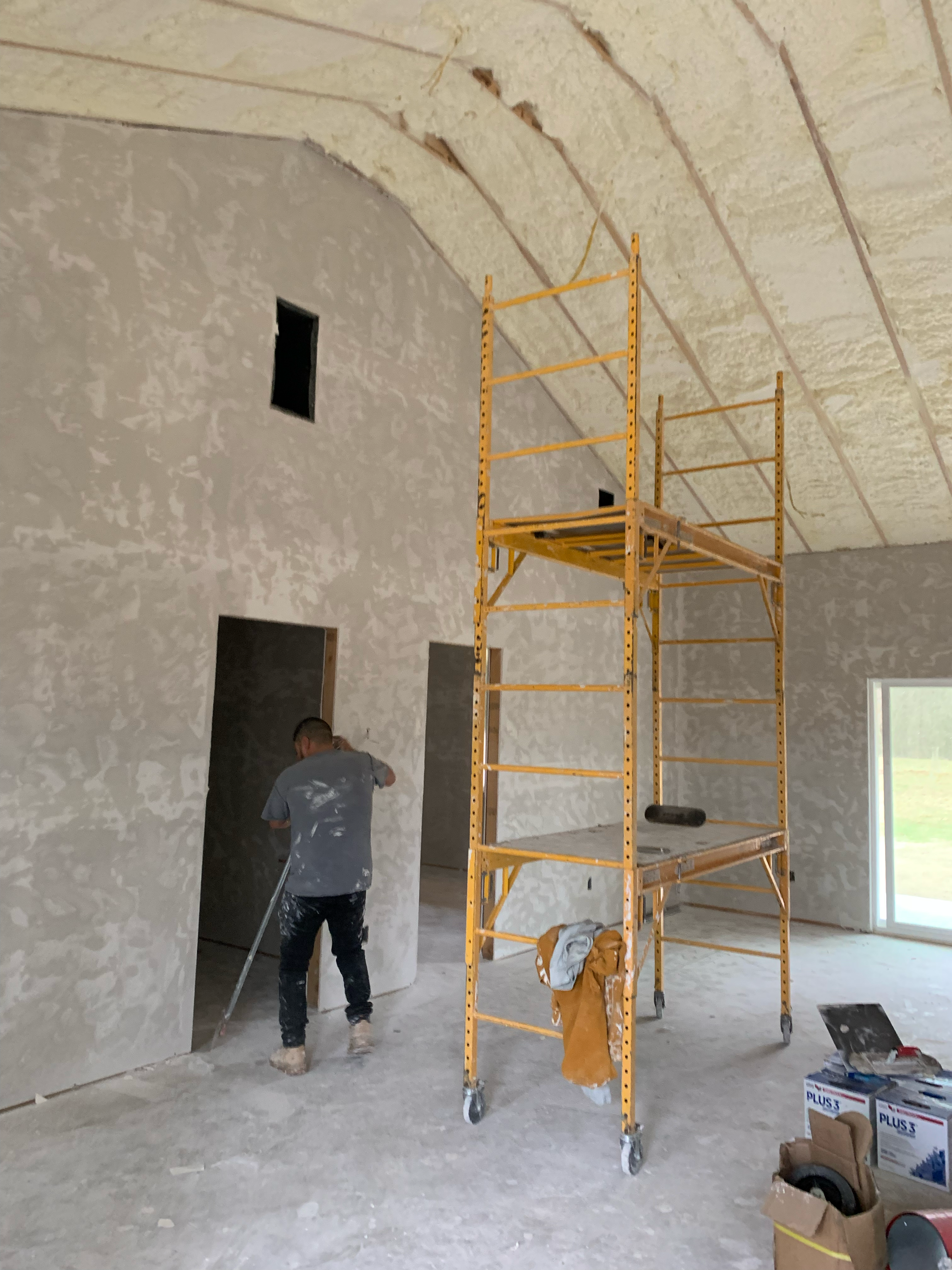
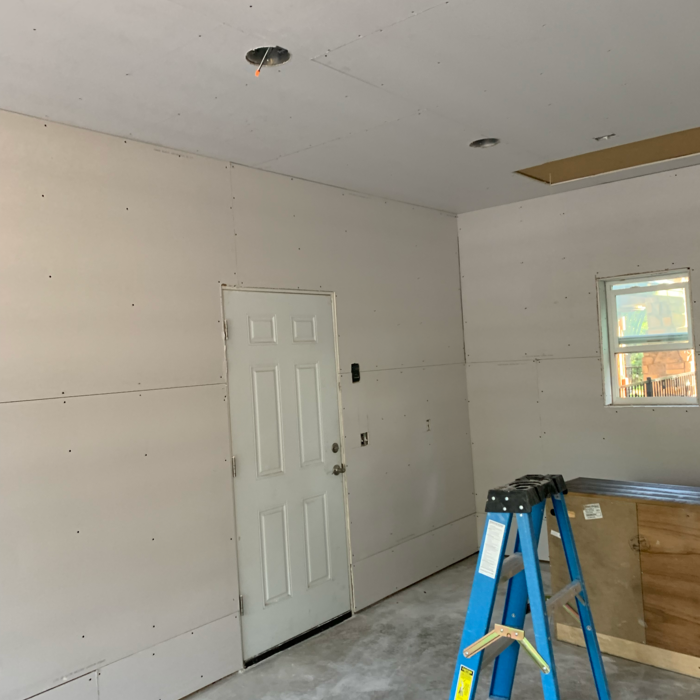
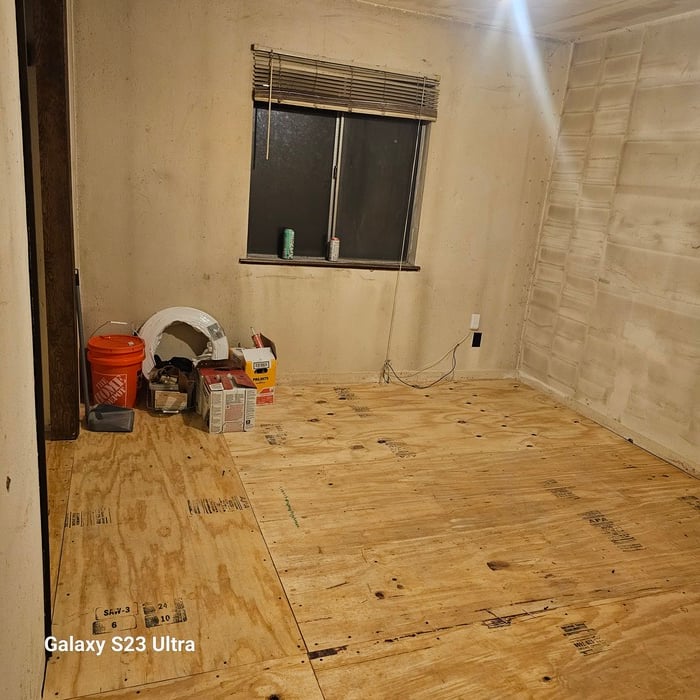
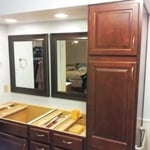
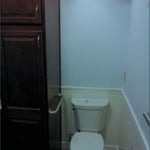
sheetrock was placed and finishing drywall
Additional Photos
Additional Photos

+1

Recommended by100%of homeowners
...
Showing 1-10 of 92
Drywall questions, answered by experts

You can usually tell if you have plaster or drywall by touch (plaster is harder, colder, and smoother than drywall) or by tapping on it (drywall sounds hollow, plaster does not). If you still cannot tell, peek under an outlet cover and check the cut edges. The rough edges show the composition of the wall. You will see either drywall (two paper sheets sandwiching gypsum material) or only plaster material (no paper sheets).

The time it takes for thinset to dry is determined by your room’s ambient temperature and humidity levels. Assuming the average humidity level is around 40% with an average temperature of 70 degrees Fahrenheit, thinset can dry within 48 hours. Lower temperatures and higher humidity can extend the curing process beyond 72 hours, while high heat and zero humidity can shorten the curing process. However, thinset can crack if it dries too fast.

Although they have similar applications, spackle and joint compound are not the same. Their primary differences lie in their composition, consistency, and ideal use cases.

Spackle is composed of gypsum and binding agents, making it thicker than joint compound. It dries quickly and is easy to sand, which makes it ideal for small wall repair projects like filling nail holes or patching minor damage.

Joint compound, also known as drywall mud, consists of limestone and gypsum. It is primarily used for large-scale projects, such as taping and finishing the seams on newly installed drywall. It tends to shrink more than spackle and can be more difficult to spread.

While both products can be used to fill small depressions and cracks, spackle cannot replace joint compound for taping and mudding new drywall. Conversely, you can often use joint compound for small patching jobs typically done with spackle.

If you’re looking for a reliable plaster repair company, you should start by researching local companies in your area and reviewing their status with the Better Business Bureau. Next, you can contact the potential companies to ask about experience levels, get a list of references, and ask for examples of past work. If you have a textured wall, consider asking if they have examples or references for that particular texture. This method should help you narrow your search even further. You may also want to ask each company if they provide a warranty for their work.

Whether you can reuse a drywall anchor depends on its type, material, and how it is removed. Plastic anchors, such as expansion or self-drilling types, are generally considered single-use because they are designed to expand and are likely to break or become deformed upon removal. Metal anchors, like toggle bolts, are more durable and can often be reused if they are not damaged during extraction. However, with toggle bolts, the toggle mechanism can fall inside the wall when the bolt is removed, making it difficult to retrieve. If an anchor is damaged or must be cut for removal, it cannot be reused regardless of its material.

The Bray, OK homeowners’ guide to drywall services

From average costs to expert advice, get all the answers you need to get your job done.