





Top-rated generator install pros.

Get matched with top generator install pros in Ardmore, OK

Enter your zip and get matched with up to 5 pros

Need a pro for your generator install project in Ardmore, OK?

Select your specific project to find the pro for you.

Find Generator install pros in Ardmore

Avatar for OKCPowerCare
OKCPowerCare
5.0(
23
)

Serving Ardmore, OK and surrounding areas

In business since 2025

Free estimates

Emergency services offered

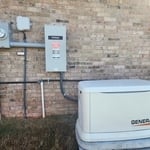
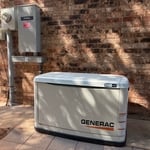
"We had a generator and home surge protector installed. They were prompt, polite, and efficient. They showed us how to program/use the generator, cleaned up, etc. I definitely recommend OKCPowerCare."
Generator Install
Generator Install
Response time7 hrs
Avatar for The Home Depot - Generators
The Home Depot - Generators
2.5(
1
)

Serving Ardmore, OK and surrounding areas

In business since 2003

Free estimates

Small jobs welcome

Today, we're proud to be the world's largest home improvement retailer. In 2,300 stores across North America, we aspire to excel in service – to our customers, associates, communities and shareholders. That's what leadership means to us. That's The Home Depot difference.

Generators
Generators
Generators
Generator
Generators

+5

Avatar for Ugle Ann Electric
Ugle Ann Electric
New to Angi

Serving Ardmore, OK and surrounding areas

Free estimates

Emergency services offered

Warranties offered

I’m Trevor, a 3rd generation electrician with 25+ years of hands-on experience across residential, commercial, and industrial work. After decades of troubleshooting everything from quirky outlets to large-scale installations, I launched Ugle Ann Electric to put honesty, precision, and a little local flavor back into the trade.

Avatar for Cobra Electric Service Incorporated
Cobra Electric Service Incorporated
New to Angi

Serving Ardmore, OK and surrounding areas

In business since 2018

Free estimates

Credit card accepted

Cobra Electric Service is a small owner operated native family owned electrical contractor. We specialize in residential and commercial electrical jobs. We have over 30 years combined in the industry. No job too big or small.

Showing 1-10 of 18
Generator Install questions, answered by experts

It is safe to run a generator continuously, but you must follow safety protocols to ensure personal and home safety. Read the manufacturer’s instructions for specific recommendations, but the general recommendation is to turn generators off overnight or when you’re away from the house. Overworked generators can pose a fire hazard and if your generator is not in a well-ventilated area, running it continuously could lead to carbon monoxide poisoning.

No, you should never plug a generator directly into a wall outlet in your house. This practice is extremely dangerous, often illegal, and can cause "back-feeding," where power from the generator flows back into utility lines, creating a life-threatening hazard for utility workers. It can also damage your home's electrical system, including appliances like pumps and HVAC fans. If the main power is restored while the generator is connected, it can destroy the generator and cause an electrical fire. To safely connect a generator, you must use a professionally installed transfer switch or an interlocking kit, which prevents back-feeding by disconnecting your home from the utility grid before the generator provides power.

To determine the right size generator for your house, you should calculate the total wattage of the appliances and devices you want to power during an outage. List all essential items, note their start-up wattages, and add them together.

Here are some typical wattage requirements for common appliances:

  • Refrigerator: 600 watts

  • Large dehumidifier: 700 watts

  • Large window air conditioner: 1,400 watts

  • Water heater: 3,000 to 4,500 watts

  • Electric furnace: 5,000 to 25,000 watts

A 7,500-watt generator might be sufficient for essentials like a refrigerator, freezer, well pump, and lighting circuits. However, for high-demand items like a water heater or furnace, a whole-home generator is a better choice. A portable generator may be enough if you only need to power a few critical items.

While home square footage can offer a rough estimate, it is not always a reliable indicator. For reference, here are some typical generator sizes based on square footage:

  • 1,000 sq ft: 6–9 kW

  • 1,500 sq ft: 7–10 kW

  • 2,000 sq ft: 10–14 kW

  • 2,500 sq ft: 12–16 kW

  • 3,000 sq ft: 16–20 kW+

For the most accurate sizing, consult a professional who can calculate your home's peak and average power consumption and recommend the optimal generator.

Energy output depends on turbine size, average wind speed at your site, and system efficiency. A 5 kW turbine in a good wind location can generate 8,000 to 12,000 kilowatt-hours per year, which may cover a large portion of an average home’s needs. Accurate output estimates require a professional wind assessment and a review of your household’s energy usage patterns.

If you’re deciding between a solar battery versus a generator for the best backup power solution, you can take a few factors into consideration. Solar batteries are quiet while generators can be quite loud. Generators have a lower up-front cost, but they require fuel and ongoing maintenance while solar batteries are more expensive but don’t have many ongoing costs.

The Ardmore, OK homeowners’ guide to generator installs

From average costs to expert advice, get all the answers you need to get your job done.