







Top-rated excavation pros.

Get matched with top excavation pros in Weston, OH

Enter your zip and get matched with up to 5 pros

Need a pro for your excavation project in Weston, OH?

Select your specific project to find the pro for you.

TRUSTED BY WESTON, OH HOMEOWNERS

  • Average homeowner rating star icon4.4
    Average homeowner rating
  • Verified reviews icon10
    Verified excavation services reviews

Find Excavation pros in Weston

Avatar for Veteran's Home Maintenance, LLC
Veteran's Home Maintenance, LLC
4.3(
91
)
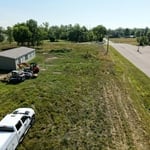
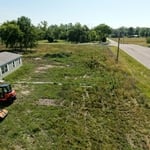
Landscape - Minor Grading or Resloping

Serving Weston, OH and surrounding areas

Approved

Super Service Award Winner

In business since 1973

Free estimates

Emergency services offered

"VHM power washed part of our roof which had some moss on it, the exterior of our house, landscaping rock around our house, our sidewalks and driveway. We were pleased with the job they did and the price charged for the job."
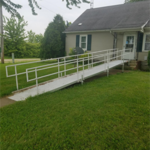
Ramp
32 6x6x18 ft. post set 4 foot into a 5 foot hole.
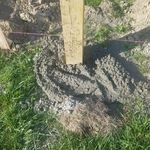
Posts set into holes before concrete
Response time1 day
383 neighbors recently requested a quote
Recommended by44%of homeowners
Avatar for Landmark Excavation and Drainage
Landmark Excavation and Drainage
New to Angi
Building Site - Preparation and ClearingExcavation - Major Grading or ReslopingLandscape - Minor Grading or Resloping

Serving Weston, OH and surrounding areas

Approved

In business since 2025

Free estimates

Credit card accepted

We're dedicated to providing our clients with the very best in service, installation, and repair for all phases of your plumbing needs. We specialize in a variety of residential and take pride in the attention to detail put into each of the projects we're involved with. We're known for our quality work and the integrity of our business. We look forward to building long-term relationships with our clients, and guarantee your satisfaction.\n

Response time7 hrs
...
Showing 1-10 of 60
Excavating questions, answered by experts

Most professional excavation teams will charge between $8 and $15 per cubic yard. Calculate the cost by finding the volume of your pool—width x length x depth—and dividing it by 27. Then, multiply the price by the cubic yards from your equation. Budget for complications like a rocky lawn, hard-to-access pool area, or high local labor prices.

There are several methods to hollow out a tree stump, and the best one depends on your tools, experience, and priorities. Common methods include using a chisel and hammer, a chainsaw, or burning.

  • Chisel and Hammer: This is often considered the easiest approach for those with limited tools or experience, though it is the most time-consuming.

  • Chainsaw: Using a chainsaw is the fastest method, but it comes with significant safety risks, especially for inexperienced users.

  • Burning: This can be an effective method, but it is not recommended unless you can first drill holes into the stump. Without holes, the stump will be difficult to light and may not burn completely through.

A power drill with at least a ⅜-inch diameter bit can make the job quicker and easier, regardless of the primary method. While you can use a chisel or chainsaw without a drill, it will require more time and effort. Always wear protective goggles and thick gloves, as splinters are an inevitable risk.

A crawl space can be as little as 42 inches below the grade of your house, but this is not always recommended in flood-prone areas. At a minimum, there must be at least 16 inches of clearance between the ground and the floor joists to access the space in an emergency.

How deep your septic system needs to be into the ground depends on several factors. In extremely cold environments, the tank needs to rest below the maximum frost line, which can be up to six or eight feet deep. The standard burying depth for most systems is between a few inches and four feet below ground level. Depth can also depend on the slope of the landscaping and other property variables. 

Septic drain lines (or leach lines) are typically buried between 18 and 36 inches underground, and should be at least 6 inches below the surface. These pipes are perforated and surrounded by filtering materials like sand or gravel. Burying the lines at this depth helps minimize odors and allows bacteria and other biological processes in the soil to effectively treat the wastewater. Burying lines too close to the surface can cause issues unless the soil is very compact and stable.

The Weston, OH homeowners’ guide to excavation services

From average costs to expert advice, get all the answers you need to get your job done.