





Top-rated excavation pros.

Get matched with top excavation pros in North Baltimore, OH

Enter your zip and get matched with up to 5 pros

Need a pro for your excavation project in North Baltimore, OH?

Select your specific project to find the pro for you.

Find Excavation pros in North Baltimore

Avatar for Veteran's Home Maintenance, LLC
Veteran's Home Maintenance, LLC
4.3(
94
)
Landscape - Minor Grading or Resloping

Serving North Baltimore, OH and surrounding areas

Approved

Super Service Award Winner

In business since 1973

Free estimates

Emergency services offered

"VHM power washed part of our roof which had some moss on it, the exterior of our house, landscaping rock around our house, our sidewalks and driveway. We were pleased with the job they did and the price charged for the job."
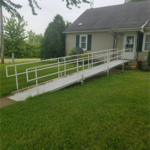
Ramp
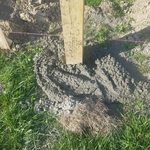
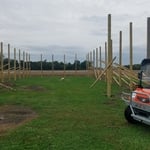
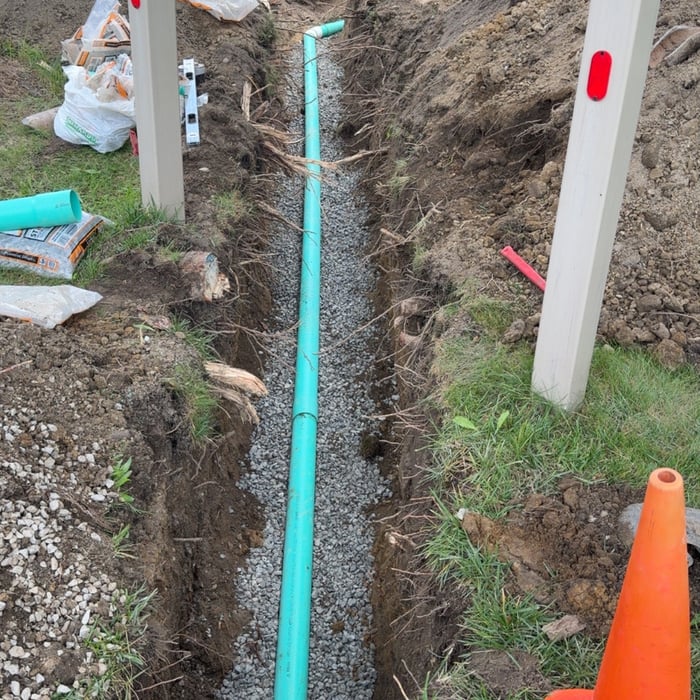
32 6x6x18 ft. post set 4 foot into a 5 foot hole.
Posts set into holes before concrete
Response time1 day
265 neighbors recently requested a quote
Recommended by42%of homeowners

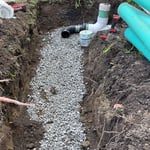
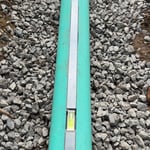
Avatar for Landmark Excavation and Drainage
Landmark Excavation and Drainage
New to Angi
Building Site - Preparation and ClearingExcavation - Major Grading or ReslopingLandscape - Minor Grading or Resloping

Serving North Baltimore, OH and surrounding areas

Approved

In business since 2025

Free estimates

Credit card accepted

We're dedicated to providing our clients with the very best in service, installation, and repair for all phases of your plumbing needs. We specialize in a variety of residential and take pride in the attention to detail put into each of the projects we're involved with. We're known for our quality work and the integrity of our business. We look forward to building long-term relationships with our clients, and guarantee your satisfaction. \n

Response time7 hrs
2 neighbors recently requested a quote
...
Showing 1-10 of 68
Excavating questions, answered by experts

Depth is not a qualifying component of evacuation. Any human-made cut, cavity, or depression in the earth’s surface is considered excavation. The hole from excavation can be any size, shape, or depth. Excavation is used to create foundations, reservoirs, drainage ditches, and roads. Long, narrow excavations are called trenches and are often used for underground utilities.

There are several methods to hollow out a tree stump, and the best one depends on your tools, experience, and priorities. Common methods include using a chisel and hammer, a chainsaw, or burning.

  • Chisel and Hammer: This is often considered the easiest approach for those with limited tools or experience, though it is the most time-consuming.

  • Chainsaw: Using a chainsaw is the fastest method, but it comes with significant safety risks, especially for inexperienced users.

  • Burning: This can be an effective method, but it is not recommended unless you can first drill holes into the stump. Without holes, the stump will be difficult to light and may not burn completely through.

A power drill with at least a ⅜-inch diameter bit can make the job quicker and easier, regardless of the primary method. While you can use a chisel or chainsaw without a drill, it will require more time and effort. Always wear protective goggles and thick gloves, as splinters are an inevitable risk.

Underground downspouts refer to the sections of downspout extensions that lead away from your home and gutter system. While they cost more than traditional extensions, they can provide several benefits, such as less frequent damage and no need to move them for lawn care tasks. Whether they're worth it or not depends on your budget at installation time and how much convenience they'll add to your situation.

Hard soil could be a sign of overly dry dirt, either from poor drainage or drought. It's important to test the nutrient levels, density, and drainage capacity of your soil to see if it's absorbing water properly. Begin by adding a light layer of water and observing how long the soil retains moisture. If you experience a good deal of runoff, you may need to aerate your lawn, apply a wetting agent, or hire a professional for a closer look.

Trenching and boring are two distinct methods for installing underground utilities. Trenching involves digging a channel using equipment like an excavator, trencher, backhoe, or shovel. While it is a simpler process, it causes significant disruption to the surface, landscaping, and surrounding ecosystems.

Boring, also known as directional boring, is a less invasive alternative that uses a drill to create a tunnel for utility lines without disturbing the surface. This method is more precise and is ideal for installations that need to go underneath buildings, roads, or bodies of water. Although boring is less disruptive, it is generally more expensive than trenching.

The North Baltimore, OH homeowners’ guide to excavation services

From average costs to expert advice, get all the answers you need to get your job done.