





Top-rated lead testing and removal specialists.

Get matched with top lead testing and removal specialists in Seaman, OH

Enter your zip and get matched with up to 5 pros

Need a pro for your lead testing and removal project in Seaman, OH?

Select your specific project to find the pro for you.

Find Lead testing and removal specialists in Seaman

Avatar for CIERRA ENVIRONMENTAL
CIERRA ENVIRONMENTAL
4.4(
7
)

Serving Seaman, OH and surrounding areas

In business since 2001

Emergency services offered

Credit card accepted

"They were very responsive to our needs and were able to schedule the work quickly.  Their price was comparable to the other estimates we had gotten.  They completed the job in two days and everything looked great afterwards.
"
Recommended by100%of homeowners
Lead Testing and Removal questions, answered by experts

Professional lead removal involves identifying and safely removing or encapsulating lead-based paints and materials, using specialized equipment, and following strict safety procedures to minimize exposure and contamination.

No, you can’t place hazardous waste in a dumpster unless you specifically ordered a dumpster for hazardous waste removal. If the dumpster company finds hazardous waste that it didn’t approve for dumping, the company will return the waste to you, and you’ll likely face a fine for illegal dumping.

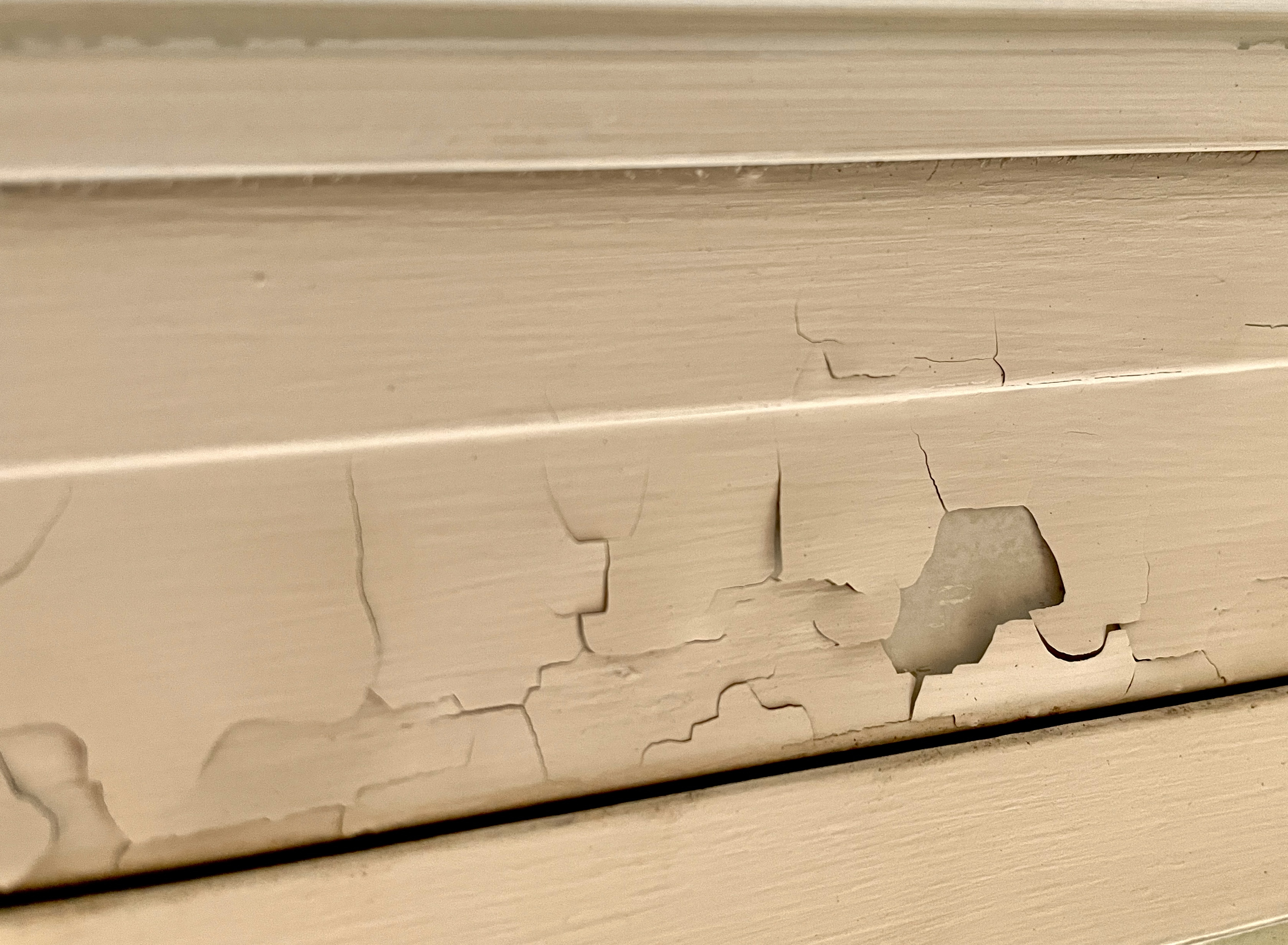
If your house was built before 1978 and you’re noticing cracking or peeling paint, a lead paint inspection is a good idea. A lead paint inspection gives you accurate information about the presence, location, and condition of lead-based paint in your home. This information is essential for making informed decisions about lead paint removal to ensure your safety and health and that of your family. If your inspector finds lead, you’ll need to take steps to manage or remove the lead-based paint and comply with laws and regulations.

Several different measurements may be used to determine the amount of lead in water. The most common unit of measurement is micrograms per liter (µg/L), which is the same as parts per billion. Another measurement is milligrams per liter (mg/L), which is the same as parts per million.

With regular testing, treatment, and maintenance, water from a community well should be safe to drink. Unfortunately, the EPA does not regulate private wells, and contamination can happen. 

If you have doubts about the quality and safety of your drinking water, you have options for testing. You can pick up kits from your local home supply store or harvest samples and send them to a local testing facility. To get the most complete water quality testing and system diagnosis, seek a local well professional. They know what to test for and can recommend and implement a longer-lasting solution.

The Seaman, OH homeowners’ guide to lead testing and removal services

From average costs to expert advice, get all the answers you need to get your job done.