Top-rated lead testing and removal specialists.

Best lead testing and removal specialists near Lynchburg, OH

Enter your zip and get matched with up to 5 pros

Need a pro for your lead testing and removal project in Lynchburg, OH?

Select your specific project to find the pro for you.

Top-Rated Lead testing and removal specialists in Lynchburg - Updated Nov 2026

First Choice Home & Building Inspections LLC
4.9(
66
)
Toxic Lead - AbatementToxic Lead - Testing

Serving Lynchburg, OH and surrounding areas

In business since 1999

Emergency services offered

Credit card accepted

"Marty was very thorough and very helpful. We are first time home buyers and he laid everything out for us so we understood exactly where we stood and what would be needed. He was very professional and and answered all of our questions! I definitely recommend him!"
I am on every job
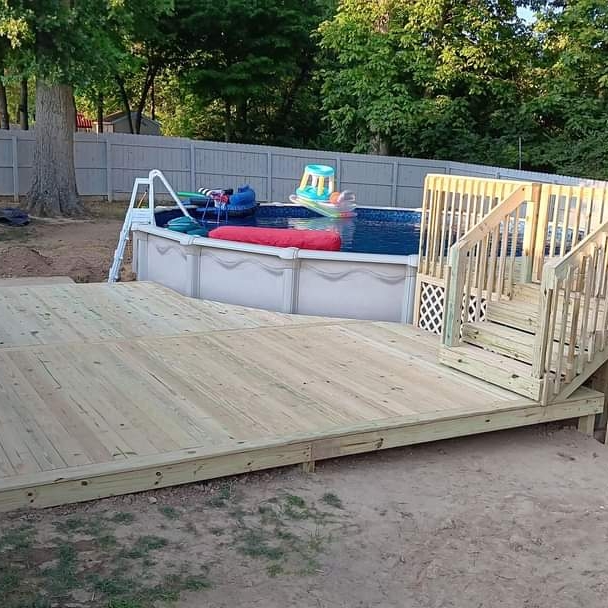
Additional Photos
Additional Photos
Additional Photos
Recommended by98%of homeowners
Avatar for CIERRA ENVIRONMENTAL
CIERRA ENVIRONMENTAL
4.4(
7
)
Toxic Lead - AbatementToxic Lead - Testing

Serving Lynchburg, OH and surrounding areas

In business since 2001

Emergency services offered

Credit card accepted

"They were very responsive to our needs and were able to schedule the work quickly.  Their price was comparable to the other estimates we had gotten.  They completed the job in two days and everything looked great afterwards.
"
Recommended by100%of homeowners
Lead Testing and Removal FAQs, answered by experts

Hiring a professional for mold and toxic material testing ensures precise identification of harmful substances within a home. Professionals utilize specialized equipment and techniques, providing accurate results that inform proper removal strategies, safeguarding occupant health.

“Testing” can start with your senses: Assessing your water’s appearance, taste, and smell can all be good first steps. The best way to know for sure what’s going on with your water is to use a well water testing kit, which can tell you about the specific levels of bacteria, dissolved solids, and hardness of your water with precision. Have a pro test your well water at least once per year.

Hazardous waste is waste that poses a threat to human or environmental health. This generally refers to waste that is flammable, corrosive, toxic, or reactive. To confirm if the waste you need to remove is considered hazardous waste, contact your local hazardous waste facility.

According to the Environmental Protection Agency (EPA), hazardous waste is generally classified into four main categories:

1. Characteristic Wastes: These exhibit at least one of four hazardous traits: ignitability (flammable, like gasoline), corrosivity (can rust or decompose materials, like car batteries), reactivity (unstable and can explode, like aerosol cans), or toxicity (harmful when ingested, like lead-based paint).

2. Listed Wastes: These are specific wastes from manufacturing and industrial processes that the EPA has officially designated as hazardous. They include byproducts from processes that use solvents, pesticides, and other chemicals.

3. Universal Wastes: These are commonly generated hazardous items that are subject to streamlined regulations. Examples include batteries, pesticides, mercury-containing equipment (e.g., bulbs), and some lamps.

4. Mixed Wastes: This category includes waste that contains both hazardous and radioactive components, making it subject to regulation by both the EPA and the Nuclear Regulatory Commission.
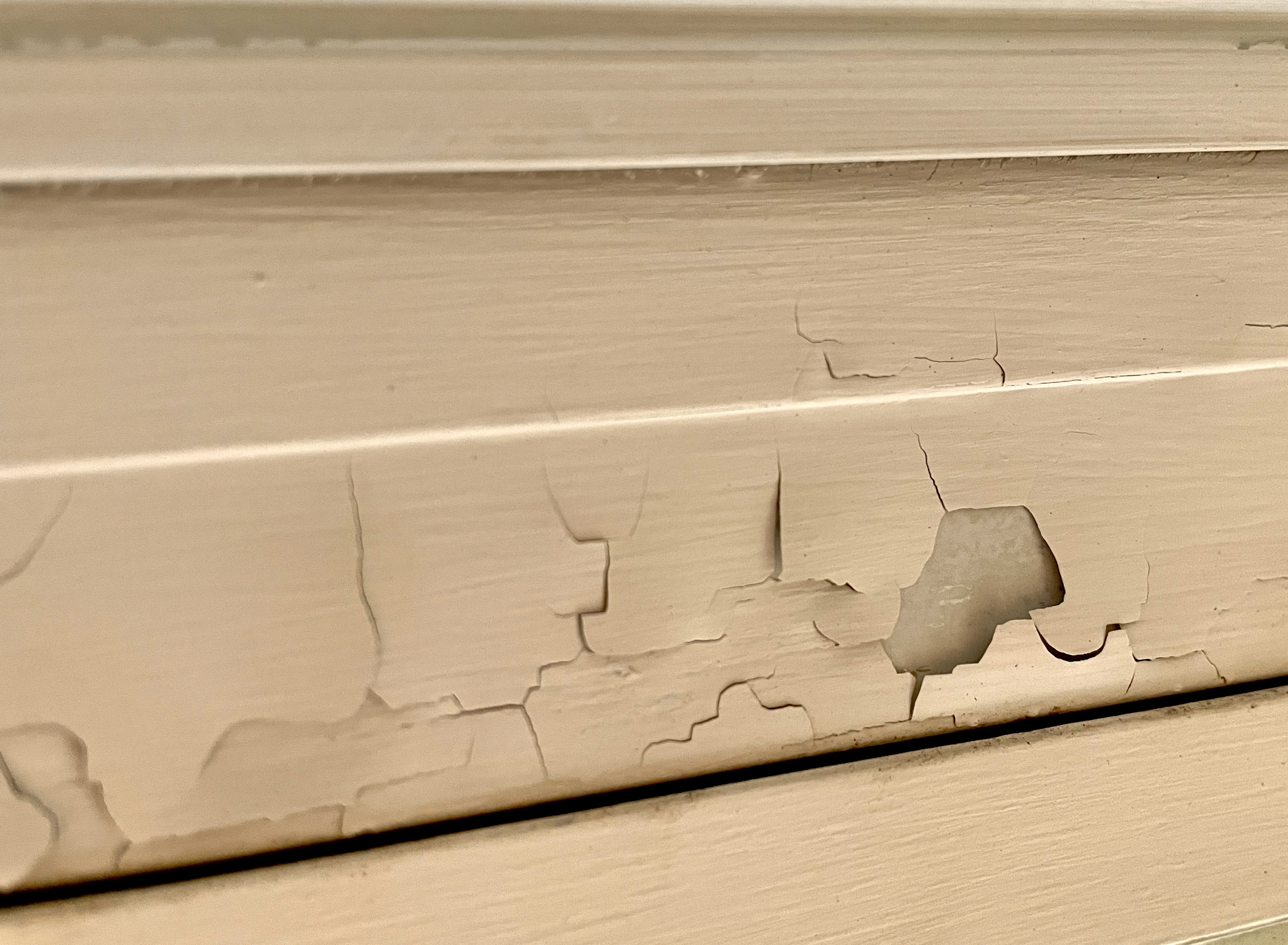

Iron sediments from rusty pipes are not likely to cause health problems. While a glass of yellow-hued water is off-putting, it is generally safe to drink yellow water in the short term. But you certainly want to address this problem. In the meantime, switching to bottled water until the yellow water issue is resolved is a good idea. 

The Lynchburg, OH homeowners’ guide to lead testing and removal services

From average costs to expert advice, get all the answers you need to get your job done.