"Tim was quick to respond to my Anji request and came out within a couple days to set up the radon testing equipment. He was knowledgeable, communicated very well, and returned promptly to read the test and explain the results. I was very pleased with this radon pro. I would highly recommend him."
"Russ was awesome and so pleasant to work with. I didn't really understand Radon at the time so he took his time to explain it in detail. I highly recommend his services for radon testing!"
"Very reasonably priced, professional, thorough and responsive. All we needed was a radon inspection, but I wouldn't hesitate to hire Bill again should a need arise -- and I highly recommend him."
"Best home inspection ever. He showed up early, walkes us through every thing he saw as a current problem and/or building code violation and the next day I had a very detailed outline with poctures for every thing he saw wrong with the home. Three days later I had the radon report. Best building inspector I've ever had the pleasure to work with and at a great price."
Radon Detection and Reduction questions, answered by experts
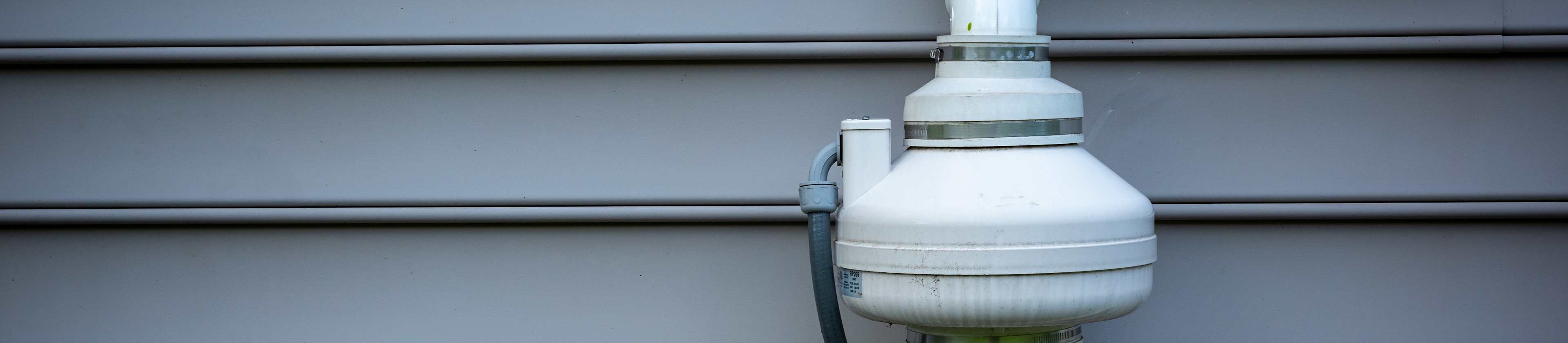
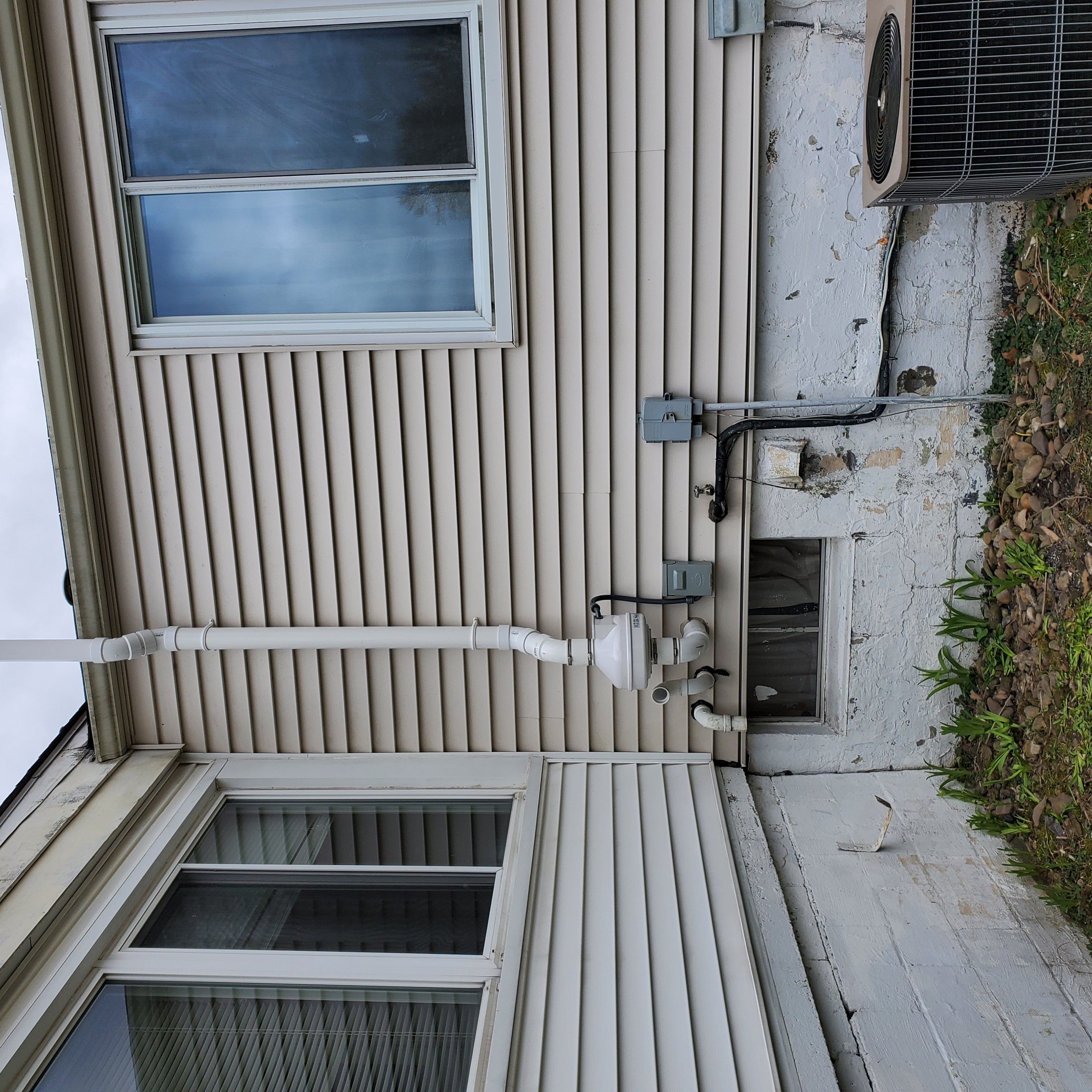
Your radon fan needs to operate 24/7 to be effective. The only time the fan isn't operating is during its replacement. Radon levels in the home can increase within hours if the fan stops working or something obstructs the stack vent. Fortunately, radon systems require no downtime maintenance between fan changes.
You can vent radon out of your house sometimes by simply opening a window, but it won’t remove the source, and will likely rise above recommended levels quickly. A professional will be needed to assess your home, and determine the best strategy for radon removal. Active radon sump pumps and soil depressurization systems are often used to forcefully vent the radon from your home.
You'll need to test your home for radon after installing the mitigation system, then again every two years. If radon remains elevated, contact a licensed radon professional, either the contractor who installed the system or a different one, and have them evaluate the system. They may need to make some changes to improve its effectiveness and performance.
Use a radon test kit or hire professionals to conduct a detailed assessment of radon levels in your home.
Long-term exposure increases lung cancer risks. Prolonged homestay individuals and smokers encounter heightened vulnerability and exposure concerns.
The North Canton, OH homeowners’ guide to radon detection and reduction services
From average costs to expert advice, get all the answers you need to get your job done.
Get clear answers on how much radon remediation costs, including average prices, key cost factors, and tips to save money on your home’s radon mitigation.
Find out what impacts radon testing costs, including average prices for DIY kits and professional services, so you can protect your home and budget confidently.
Radon is a gas that you can't see or smell and is harmful to your health. If your home has radon, you need to know who installs radon mitigation systems.