


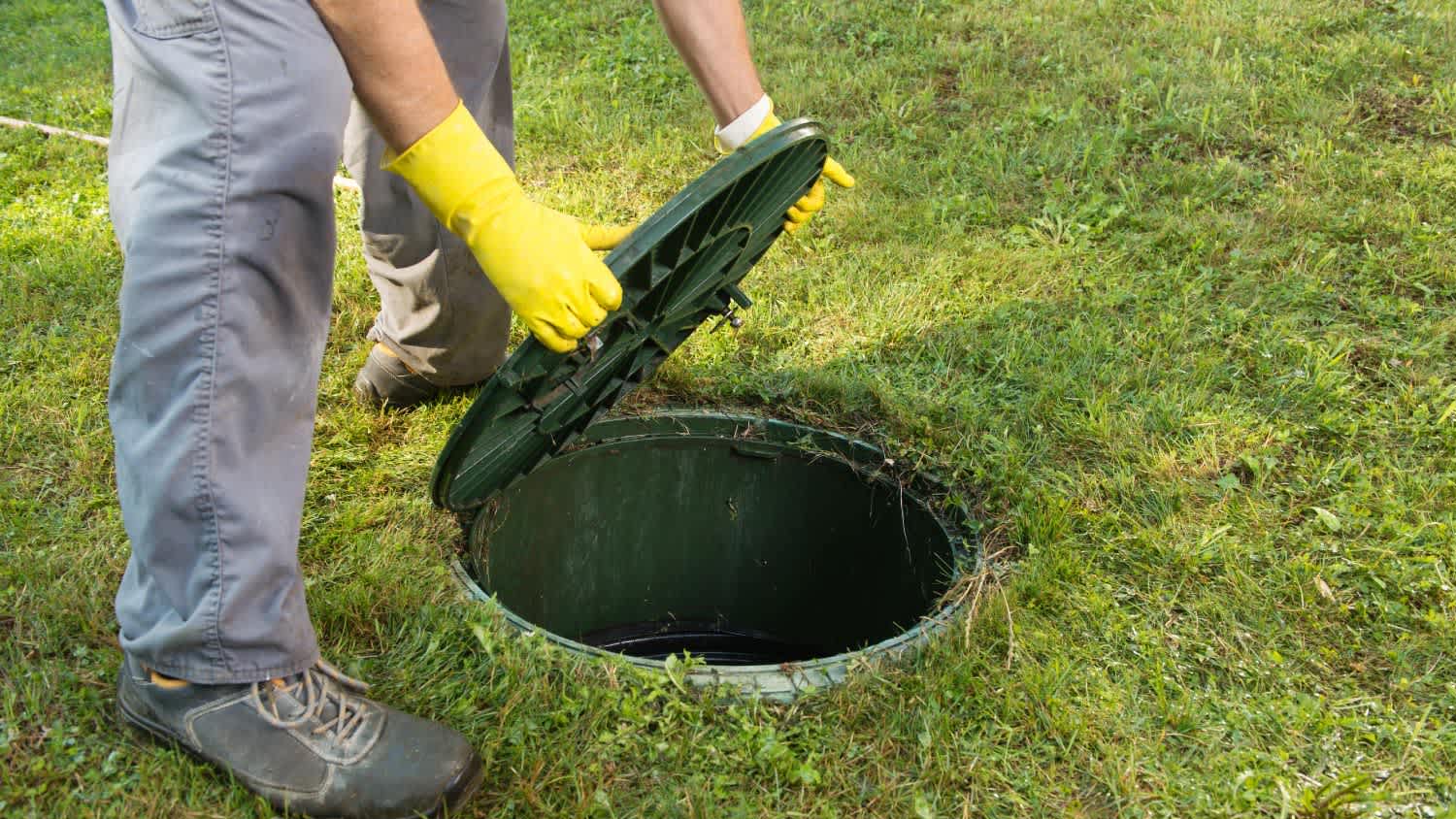
Top-rated percolation testing pros.

Get matched with top percolation testing pros in Gambier, OH

Enter your zip and get matched with up to 5 pros

Need a pro for your percolation testing project in Gambier, OH?

Select your specific project to find the pro for you.

TRUSTED BY GAMBIER, OH HOMEOWNERS

  • Average homeowner rating star icon4.4
    Average homeowner rating
  • Verified reviews icon129
    Verified percolation testing services reviews

Find Percolation testing pros in Gambier

No results for Percolation testing pro in

Try adjusting your search criteria.
Percolation Tests questions, answered by experts

The signs of asbestos exposure are often subtle and may not appear for many years, or even decades, after initial contact. This long latency period is one of the primary dangers associated with asbestos.

When symptoms do manifest, they can include:

  • Shortness of breath

  • A persistent, dry cough

  • Chest pain or tightness

  • Fatigue

  • Wheezing

  • Weight loss

  • Difficulty swallowing

  • A dry, crackling sound from the lungs when breathing

These symptoms are non-specific and can be mistaken for other respiratory conditions, making diagnosis challenging. Prolonged exposure can lead to serious diseases as the asbestos fibers cause scarring and inflammation in the lungs. These conditions include asbestosis, lung cancer, and mesothelioma.

Due to the vague nature of early symptoms, regular medical check-ups are crucial for anyone with a known history of asbestos exposure, particularly in an occupational setting. If you suspect asbestos is present in your home, a professional inspection is recommended.

There are products that still contain asbestos, but they were typically installed decades ago. Common places where you may still find asbestos-containing materials are in siding, wrapped around ductwork, in older appliances (i.e., stove and gravity furnaces), and in floors. Asbestos was primarily used as an insulator, so anywhere in an older home where you lose heat is where you will most likely find asbestos.

Unlike some home problems, such as water damage or pest infestations, asbestos can be very difficult to spot. Asbestos is a mineral in the form of microscopic fibers and was previously used in building materials for its bonding and fireproofing abilities. Insulation, roof shingles, ceiling tiles, floor tiles, pipe wrappings, soundproofing materials, and textured paint features like popcorn ceilings are common sources of asbestos, particularly in homes built before 1980.

Age is perhaps the biggest indicator of asbestos, as legislation passed in the 1970s labeled asbestos as dangerous and regulated its use in building materials. Signs of age in the form of wear and tear or material degradation are also indicators that asbestos fibers may be leaking into the air, but ultimately, it’s difficult to detect with the naked eye. If you have reason to suspect asbestos in your home, it’s best to hire a certified asbestos inspector.

Many homeowners may never have to test their homes for asbestos. Asbestos particles are only dangerous if they become airborne. If you plan to do construction or notice damage to piping, siding, or drywall, you should hire a specialist to test for asbestos. 

If you plan to remodel your home or have any concerns, you should have your home tested for asbestos just to be safe.

No, an N95 mask will not protect against asbestos and many other hazardous materials, such as carbon monoxide, gas, chemical vapors, and other gases. You will need a respirator specifically designed to protect against asbestos. However, if you suspect asbestos is present in your home, hire an asbestos abatement professional immediately and avoid the area until they arrive for the inspection.

The Gambier, OH homeowners’ guide to percolation testing services

From average costs to expert advice, get all the answers you need to get your job done.