




Top-rated generator install pros.

Best generator install pros near Clarksville, OH

Enter your zip and get matched with up to 5 pros

Need a pro for your generator install project in Clarksville, OH?

Select your specific project to find the pro for you.

Top-Rated Generator install pros in Clarksville - Updated Nov 2026

Avatar for Energized Electric LLC
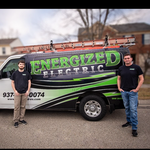
Energized Electric LLC
5.0(
9
)
Fixed Generator - Install

Serving Clarksville, OH and surrounding areas

Approved

In business since 2023

Free estimates

Emergency services offered

"Woody came out within hours of me calling. Repaired an EV charger plug that had shorted out the night before and caught fire. He direct wired the unit in about 30 minutes. His charge for the work was very reasonable. I would highly recommend and use them again."
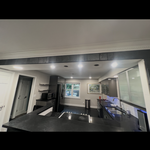
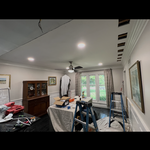
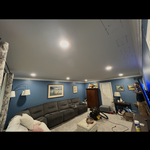
Additional Photos
Response time9 hrs
Response rate100%
5 neighbors recently requested a quote
Avatar for CJS SYSTEMS HEATING & COOLING
CJS SYSTEMS HEATING & COOLING
5.0(
3
)
Fixed Generator - Install

Serving Clarksville, OH and surrounding areas

Approved (Corporate)

In business since 2024

Free estimates

Emergency services offered

"They were very timely, courteous and professional. I am 100% satisfied with the work completed. We had a water heater and water softener installed and would recommend anyone else to use CJS as well."
Response time3 days
24 neighbors recently requested a quote
Kennylectric
New to Angi
Portable Generator - Repair

Serving Clarksville, OH and surrounding areas

Approved

Licensed electrician with 10 years of hands-on experience offering reliable, high-quality electrical services for residential, small commercial and industrial projects. Whether you need a quick fix or a full installation, I bring professional expertise and attention to detail to every job.\n\n✔ 10 years of licensed experience\n✔ Troubleshooting & repairs\n✔ Lighting installation & upgrades\n✔ Outlet, switch, and panel work\n✔ Clean, safe, and code-compliant service\n\nDependable, honest, and committed to getting the job done right the first time. Flexible availability for evenings and weekends.\n \nPlease reach out to schedule your next project.

Showing 1-10 of 39
Generator Install FAQs, answered by experts

Natural gas generators are designed to run for extended periods of time, such as power outages during a natural disaster. Since there’s no limit to the supply of natural gas, they don’t need to stop for refills. However, generators do need maintenance, including pauses to check and add oil. Constantly running them will also cause a lot more wear and tear, leading to a shorter lifespan.

Setting up utilities on a vacant property usually takes at least a few months, or between 6 weeks to 16 weeks. This process requires working with the local planning and zoning department, hiring a building contractor or engineer to design the utility layout, securing permits, laying the lines, and connecting the utilities.

Generally, you’ll want to keep between 60 and 70 feet between the generator and the transfer switch. There are a few reasons for this, including:

  • The distance reduces the noise coming from the generator into your home.

  • It increases efficiency because you won’t have a voltage drop from this short of a distance.

  • Prevents carbon monoxide poisoning: keep at least 15 feet between your generator and an open window. 

Many services include assembling the unit and securing it in the window. Confirm with your provider.

To determine the right size generator for your house, you should calculate the total wattage of the appliances and devices you want to power during an outage. List all essential items, note their start-up wattages, and add them together.

Here are some typical wattage requirements for common appliances:

  • Refrigerator: 600 watts

  • Large dehumidifier: 700 watts

  • Large window air conditioner: 1,400 watts

  • Water heater: 3,000 to 4,500 watts

  • Electric furnace: 5,000 to 25,000 watts

A 7,500-watt generator might be sufficient for essentials like a refrigerator, freezer, well pump, and lighting circuits. However, for high-demand items like a water heater or furnace, a whole-home generator is a better choice. A portable generator may be enough if you only need to power a few critical items.

While home square footage can offer a rough estimate, it is not always a reliable indicator. For reference, here are some typical generator sizes based on square footage:

  • 1,000 sq ft: 6–9 kW

  • 1,500 sq ft: 7–10 kW

  • 2,000 sq ft: 10–14 kW

  • 2,500 sq ft: 12–16 kW

  • 3,000 sq ft: 16–20 kW+

For the most accurate sizing, consult a professional who can calculate your home's peak and average power consumption and recommend the optimal generator.

The Clarksville, OH homeowners’ guide to generator installs

From average costs to expert advice, get all the answers you need to get your job done.