For over 80 years, Crisafulli Bros. Plumbing & Heating Contractors, Inc. has provided plumbing, sewer and drain, heating and cooling design, installation, service, scheduled maintenance, and electrical services to our clientele. Founded in 1939, our company now spans three generations combining the pride and craftsmanship you expect from a locally owned and operated family business with the resources and knowledge available from a large national company.
\n
\nWith a growing workforce and a fleet of vehicles driving around every upstate NY neighborhood, Crisafulli Bros. is one of the largest mechanical contracting companies in the Capital Region. Our vast resources and commitment to quality led to us being recognized as the Best of the Capital Region for over 16 straight years and named a Top Work Place. We have set the standard for plumbing, heating, cooling, and electrical craftsmanship in the region.
"Don is a phenomenal professional. I understand little to none about plumbing and he easily explained what needed to be fixed. He s a genius at this. We were under a super tight timeframe and not only did he accomplish it well within that, it was done perfectly. I was lucky to find him when I needed a new boiler and both jobs were fairly quoted, unbelievably executed and added significant value to my home. If you fix problems the right way when things break in your home (and they will) you will get that money back when you sell it. Count on it. If you have a problem, don t wait. Call Don. You will be so happy you did."
From installation and repairs for your heating and air conditioning systems to comprehensive plumbing services, you can rely on our expertise and experience from 30 years in this field.
Overall, heating your home with an oil furnace tends to be less expensive than heating your home with an electric heating system. Oil heating systems stay warm for longer periods of time without drawing a constant electrical current to maintain a temperature. Plus, heating oil systems typically have a longer lifespan and lower price tag than their electrical counterparts, resulting in short- and long-term savings.
Safety concerns with propane boilers include proper venting to prevent carbon monoxide buildup, secure gas line connections, and regular inspection of safety controls. Professional boiler installation and annual maintenance are essential to minimize risks. Having a carbon monoxide detector installed in your home is essential for early detection of any leaks or ventilation issues.
The best time to buy home heating oil is in the summer when the demand is lowest, as the prices are usually lower. However, waiting until the summer to buy is often unavoidable unless you install a separate storage tank. If you have the space for a second tank, you can expect to pay between $1,000 and $4,000 for the oil tank replacement or installation, depending on the capacity and location. You could quickly recuperate these costs, though, by stocking up on heating oil in the summer and avoiding deliveries in the winter when prices are highest.
When winter rolls around, and you turn the heat on for the first time in a year, it’s normal to sense a light odor. This could smell a little like burning because some dust has gathered in the heating unit over the warm months and will fade away shortly after. However, there are some smells you should watch out for and take caution around: an egg-like sulfur smell or an electrical burn odor would indicate there’s something wrong. Turn it off and call a professional for maintenance as soon as possible.
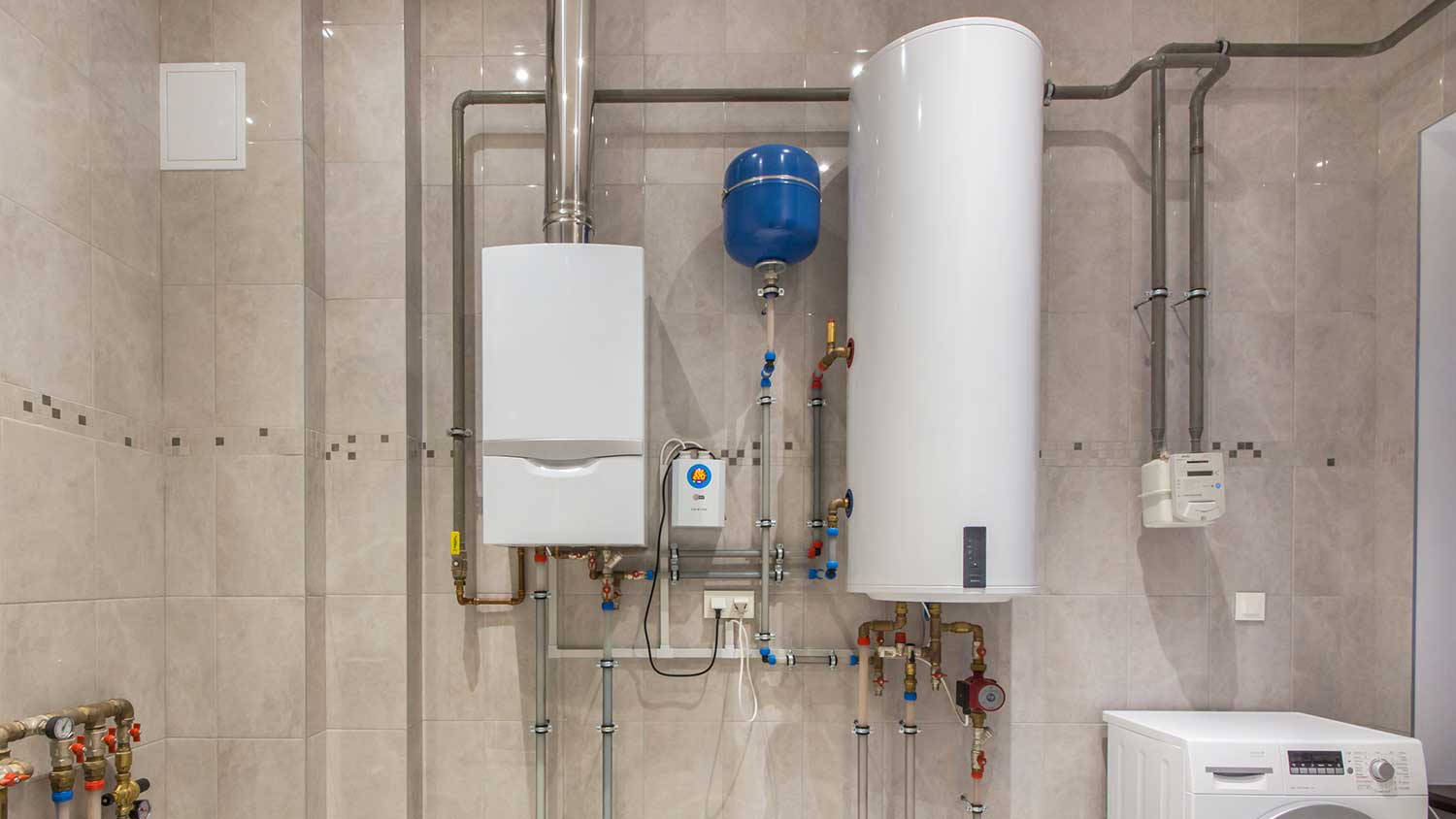
Due to fuel line connections and venting complexity, professional installation is required for safety and efficiency.
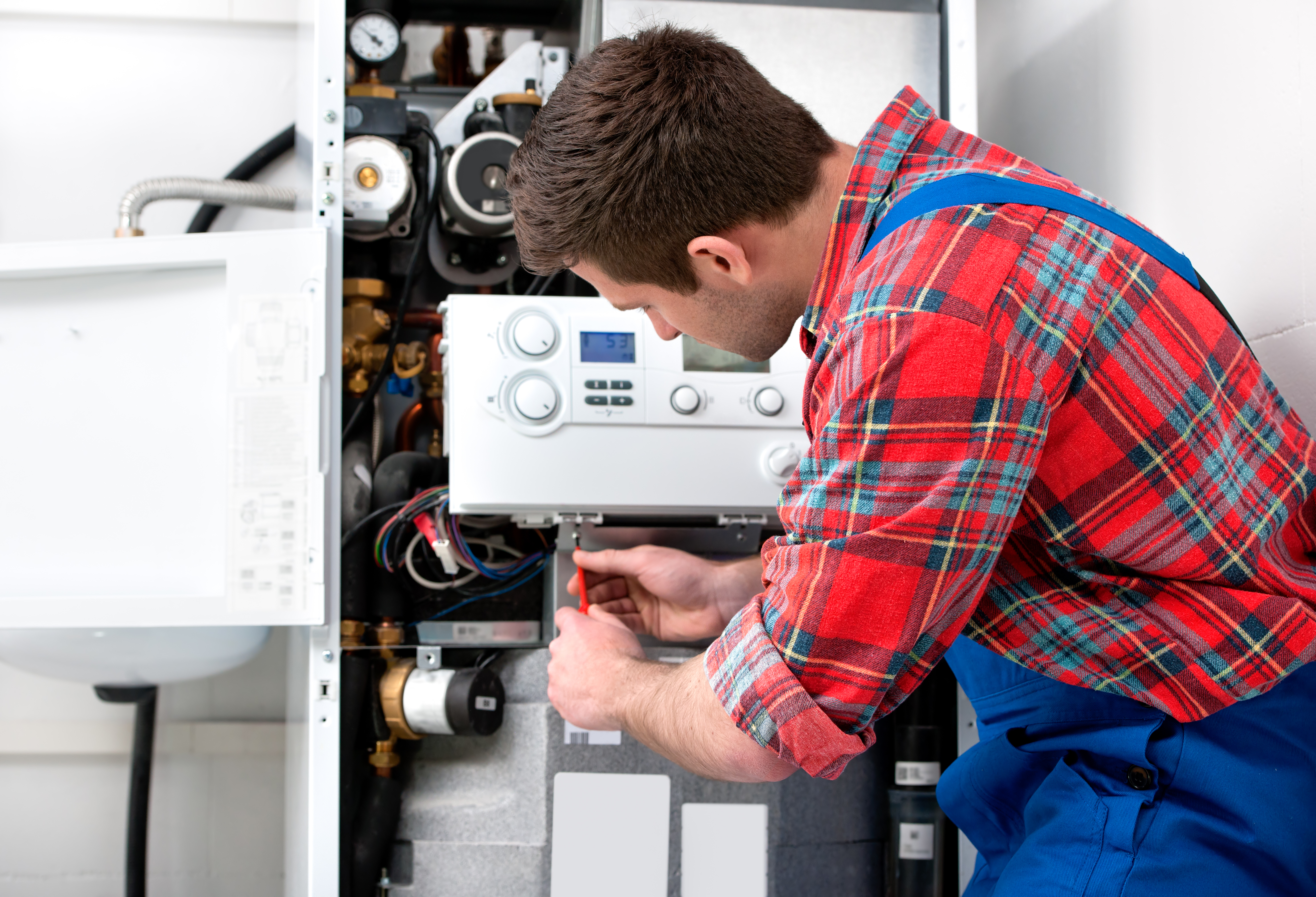
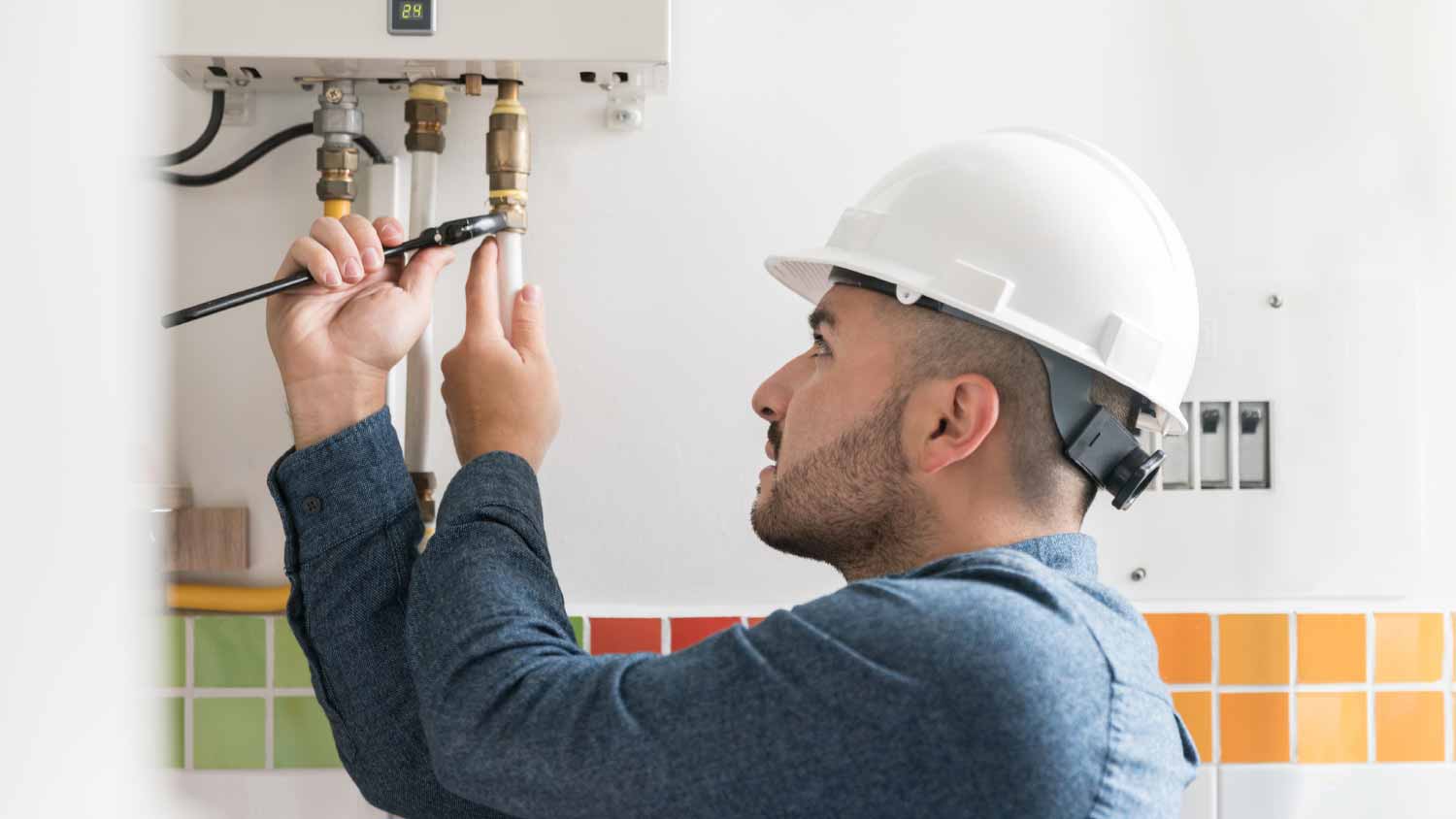
The Whitehall, NY homeowners’ guide to boiler installation services
From average costs to expert advice, get all the answers you need to get your job done.
Discover the average electric boiler installation cost, key price factors, and ways to save. Get transparent, expert-backed estimates for your project.