Doorbell Installation questions, answered by experts
Upgrading insulation offers several benefits, including improved energy efficiency, which leads to lower heating and cooling costs. It also enhances indoor comfort by regulating temperature and can provide noise reduction. Additionally, better insulation has a reduced environmental impact and can increase your home's value and overall livability.
The best type of insulation for your home depends on your specific needs, climate, and the area you are insulating. For new construction, structural insulated panels are a highly energy-efficient option that is easy to install during the building process. In very warm climates, reflective insulation can be a cost-effective choice. For cold climates, fiberglass is an excellent option due to its high R-value and resistance to settling over time. Spray foam works well in humid environments because of its moisture-resistant properties. For standard attics, loose-fill, spray foam, or blown-in insulation are all suitable options.
Open-cell foam insulation has a life span ranging between 15 to 25 years when well cared for. However, the material may degrade sooner in areas with high humidity or after prolonged water exposure. Proper installation and maintenance can maximize its longevity but requires close monitoring. Closed-cell foam insulation has a longer life span of 30 to 50 years.
Fiberglass is the best insulation for HVAC ducting because it's inexpensive, widely available, versatile, and long-lasting. Fiberglass also offers acoustic insulation in addition to thermal insulation, which can contribute to a more peaceful home environment. You can use other materials like mineral wool, but fiberglass is the industry standard.
The primary reason that insulation saves you money over time is that it reduces your energy bills by making your home more energy efficient. A crucial part of an insulation system is a properly installed vapor barrier. Local building codes dictate whether your insulation requires a vapor barrier based on the type installed. While some high-quality wool insulation may not technically need a vapor barrier, most municipalities still require one to meet code.
The Wayne, NY homeowners’ guide to doorbell installation services
From average costs to expert advice, get all the answers you need to get your job done.
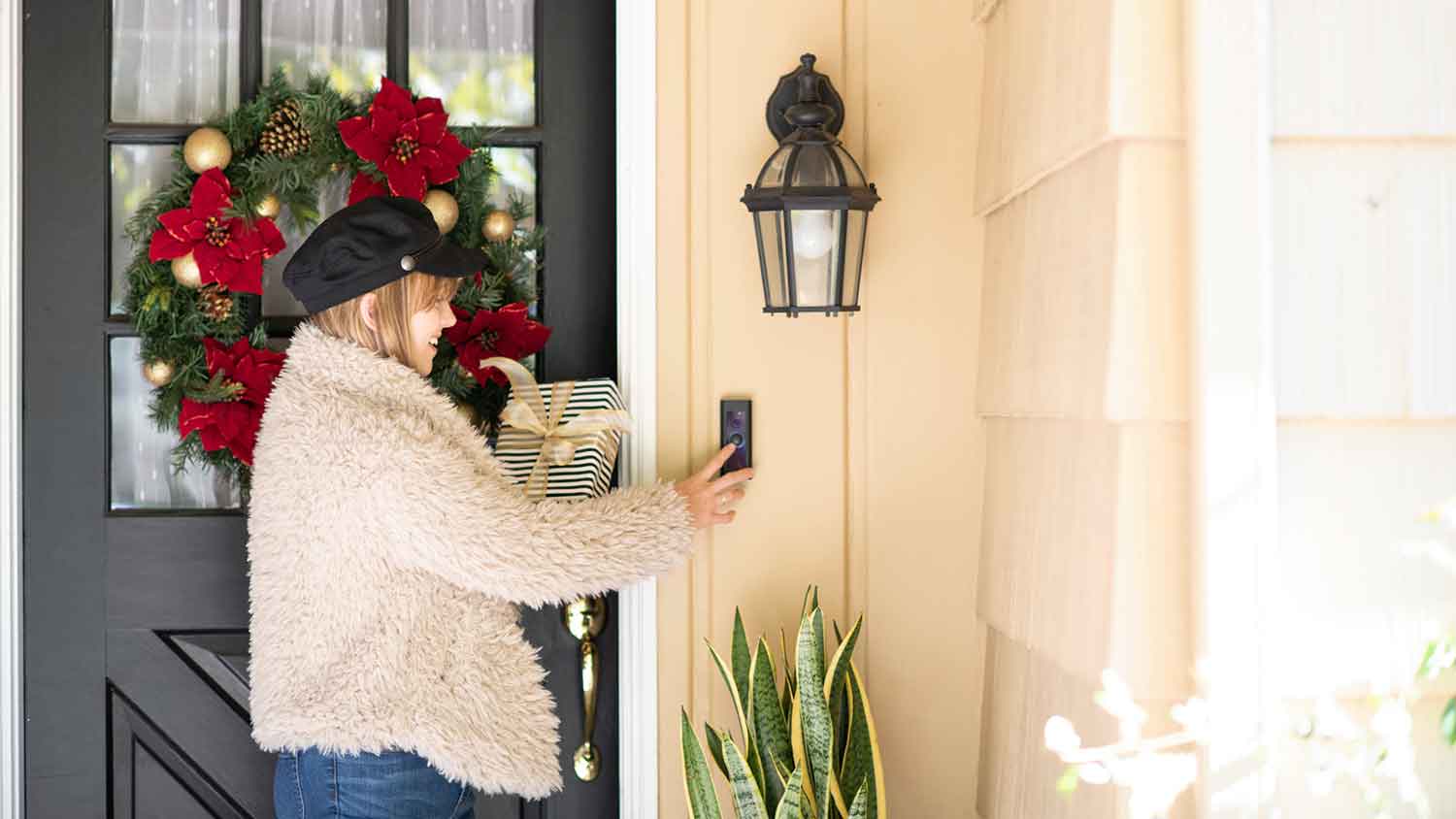
Ring a bell? From replacing a wired doorbell to setting up a smart home system, learn about typical doorbell installation costs, including materials and labor.
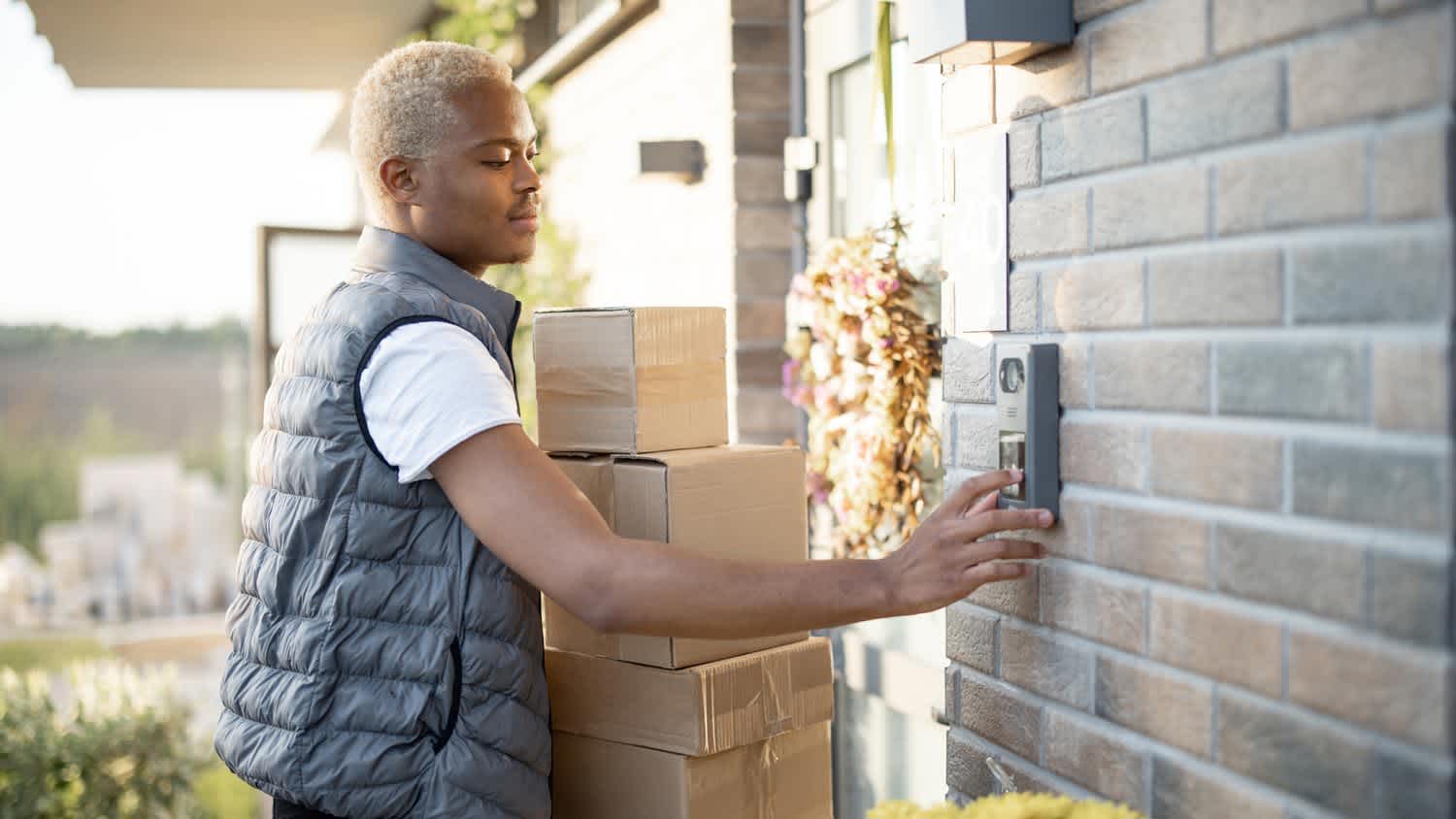
How much does it cost to install a doorbell camera? It depends on whether you plan to DIY or hire a pro. Learn about different models and their power sources, too.
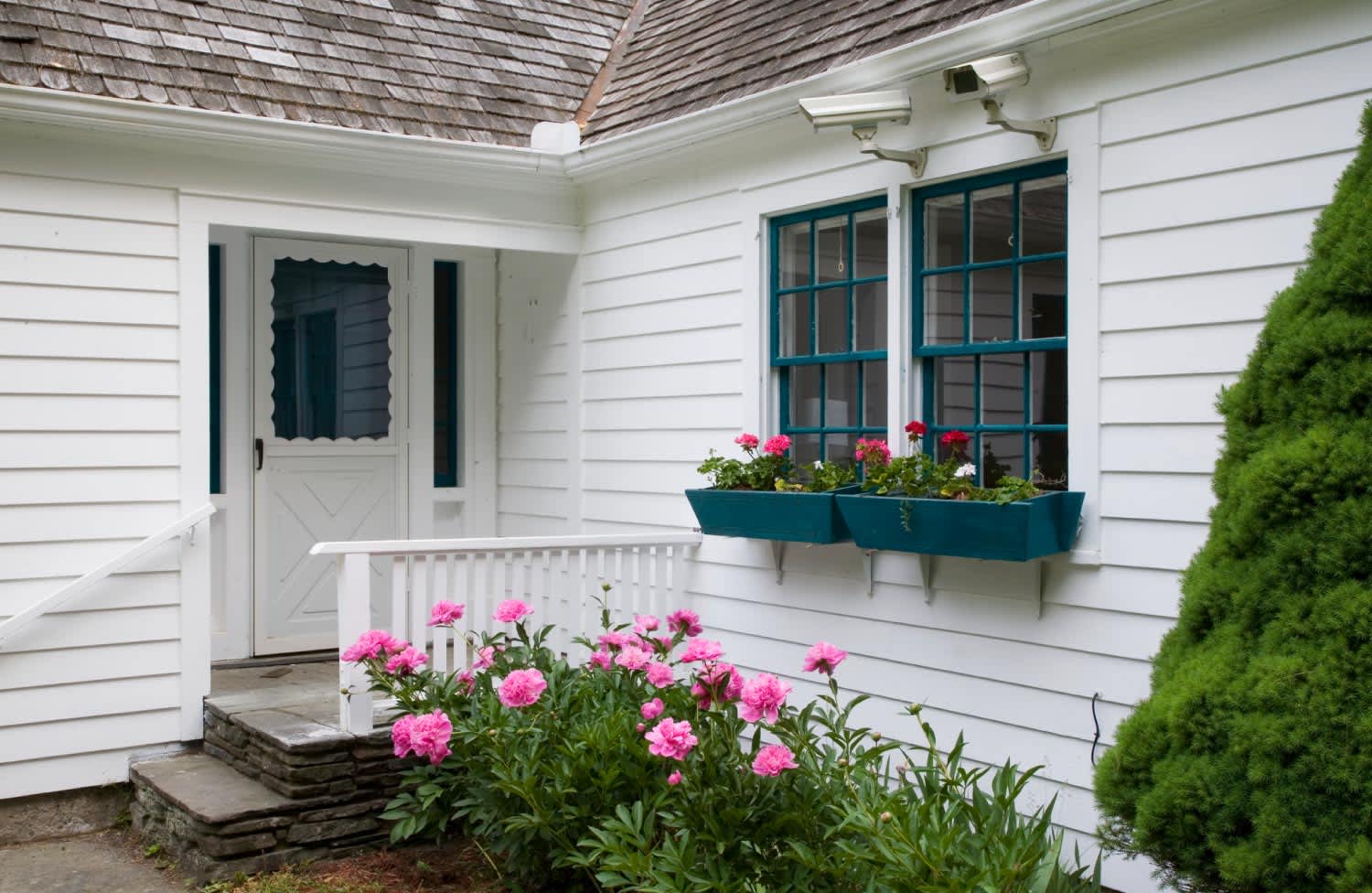
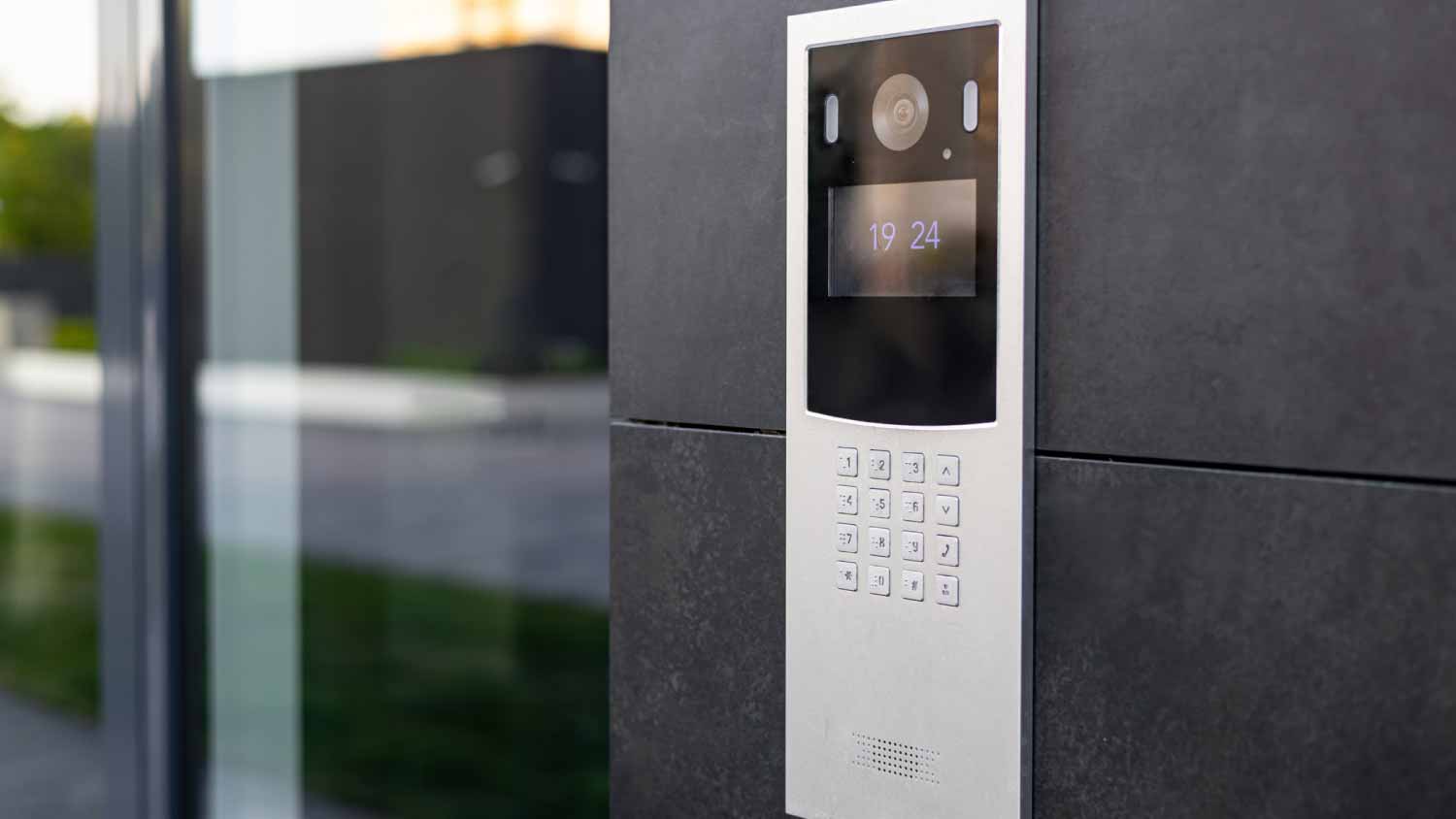
Doorbell wiring is a project you can DIY. This guide covers everything you need to know, from different types of doorbells to wiring, and how to remove an old doorbell.
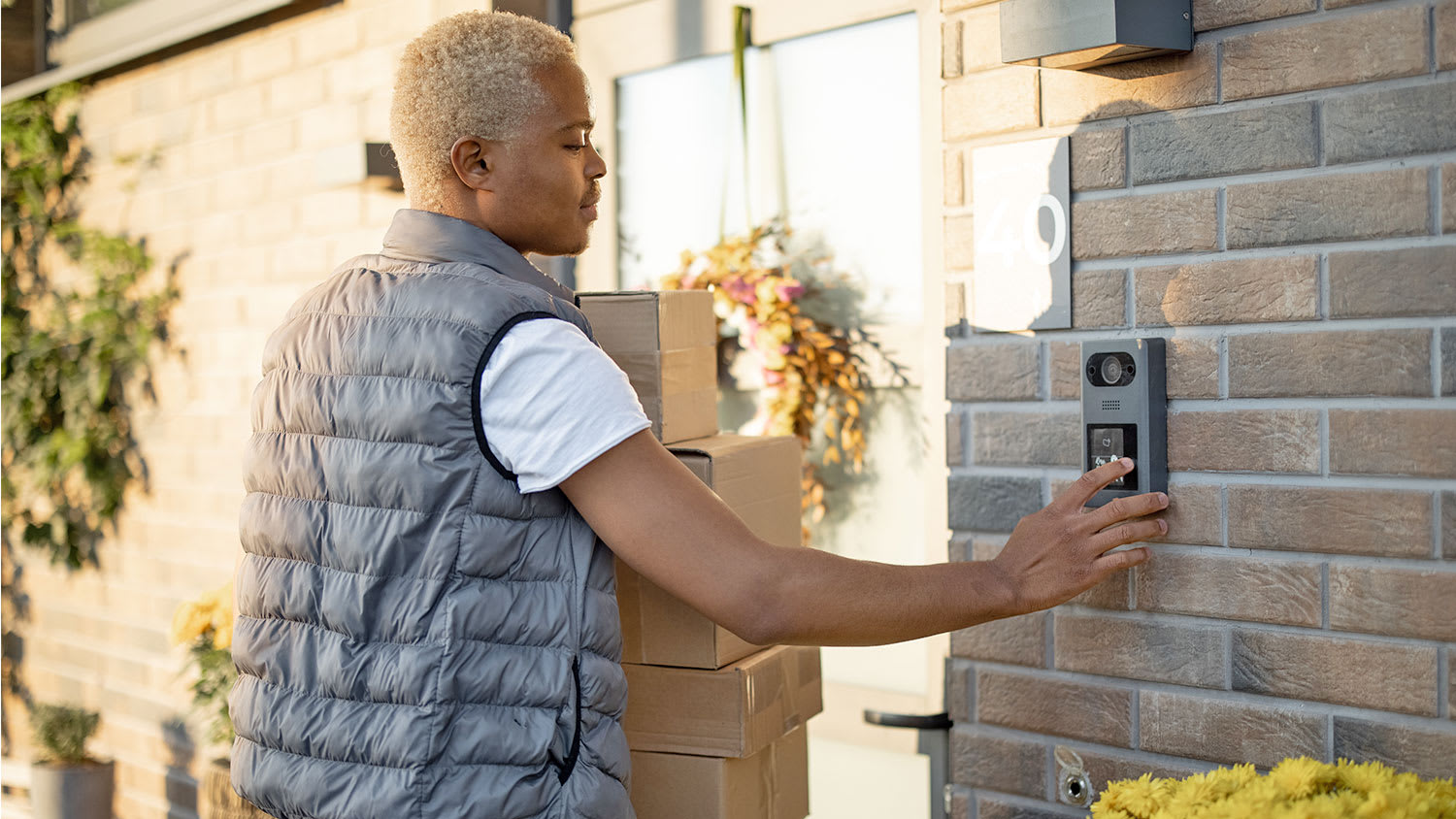
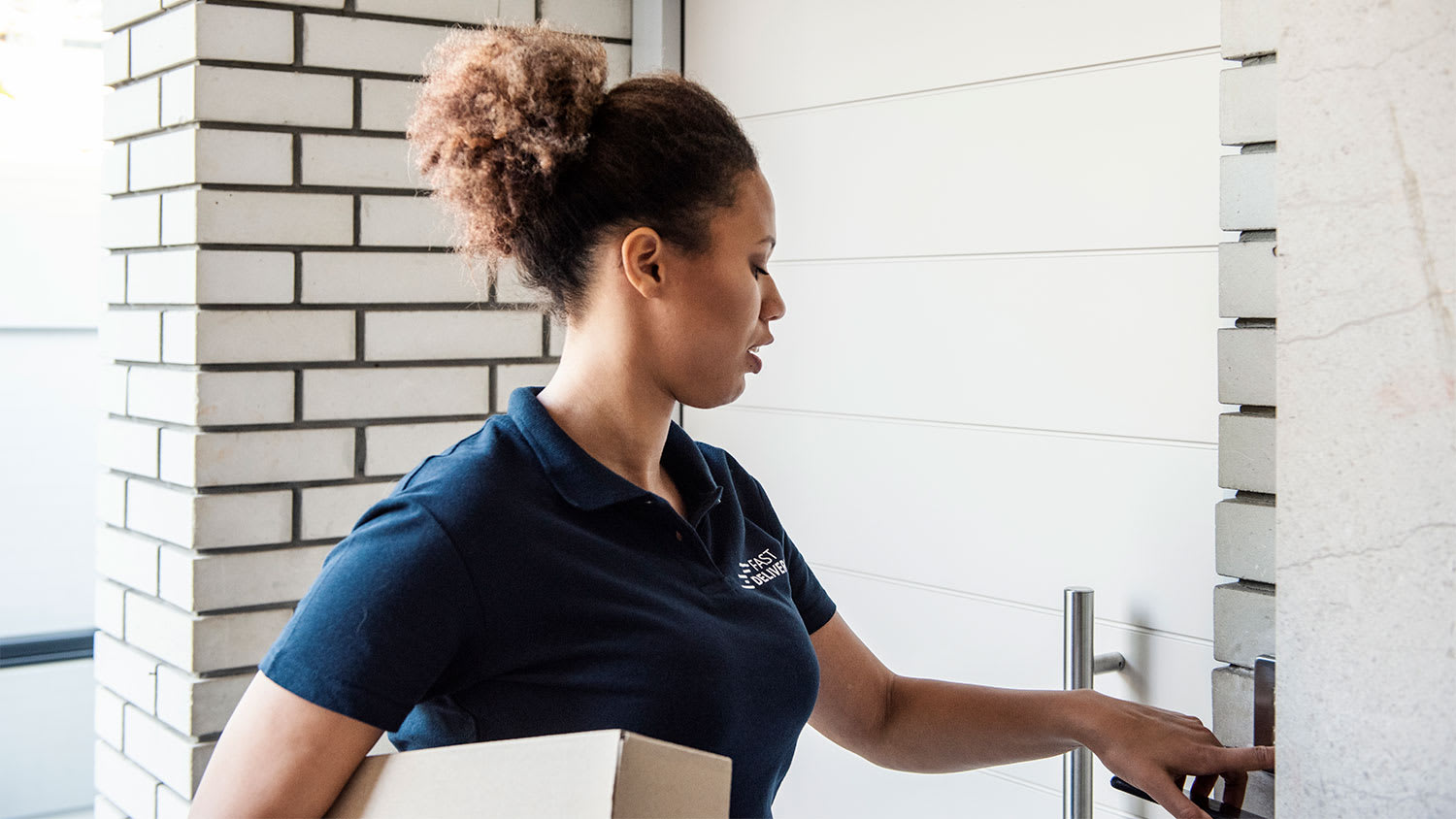
Ready to upgrade your front door and learn how to wire a doorbell? You may be able to handle this relatively simple DIY installation without an electrician.