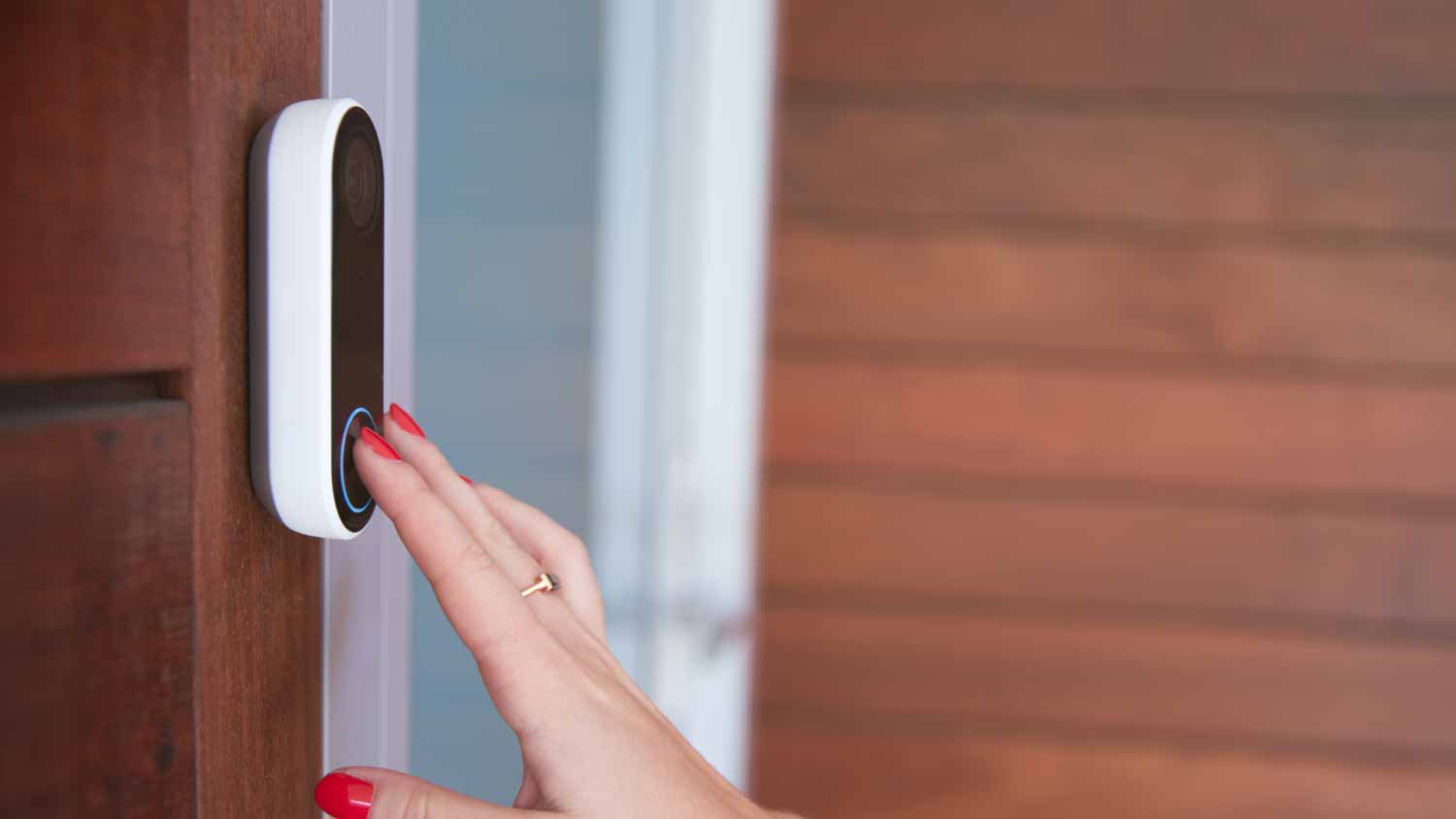
Doorbell Installation questions, answered by experts
Insulating your home's exterior walls can realize up to a 20% reduction in your monthly energy bills. This means that regardless of how much the project costs, it can begin to pay you back immediately. Additionally, adding spray foam and other high-end materials can increase the selling value of the property.
Minimal maintenance is required, though regular inspections to ensure insulation hasn't shifted or deteriorated can improve performance over time.
The primary reason that insulation saves you money over time is that it reduces your energy bills by making your home more energy efficient. A crucial part of an insulation system is a properly installed vapor barrier. Local building codes dictate whether your insulation requires a vapor barrier based on the type installed. While some high-quality wool insulation may not technically need a vapor barrier, most municipalities still require one to meet code.
For standard 2x4 walls, the ideal insulation has an R-value between R-13 and R-15. This level of insulation, typically around 3.5 inches thick, fits well within the wall cavity. Common options include fiberglass batts and spray foam. The best choice for your home can depend on your climate; use R-value maps, like those from Energy Star, to determine the recommended level for your region. For colder climates, you might also consider adding exterior insulation for greater efficiency. Always check with your local building codes to ensure you meet any required standards.
Cellular shades, also known as honeycomb shades, are the most energy-efficient and insulating window treatments. Their honeycomb structure is made of soft fabric that forms layered cell pockets. These pockets trap air, creating a thermal barrier that reduces heat loss in the winter and blocks heat gain in the summer. For even greater insulation, consider double- or triple-cell varieties. Side-tracked cellular shades, which seal the edges of the window frame, can further minimize air leaks and maximize energy efficiency.
The Avoca, NY homeowners’ guide to doorbell installation services
From average costs to expert advice, get all the answers you need to get your job done.
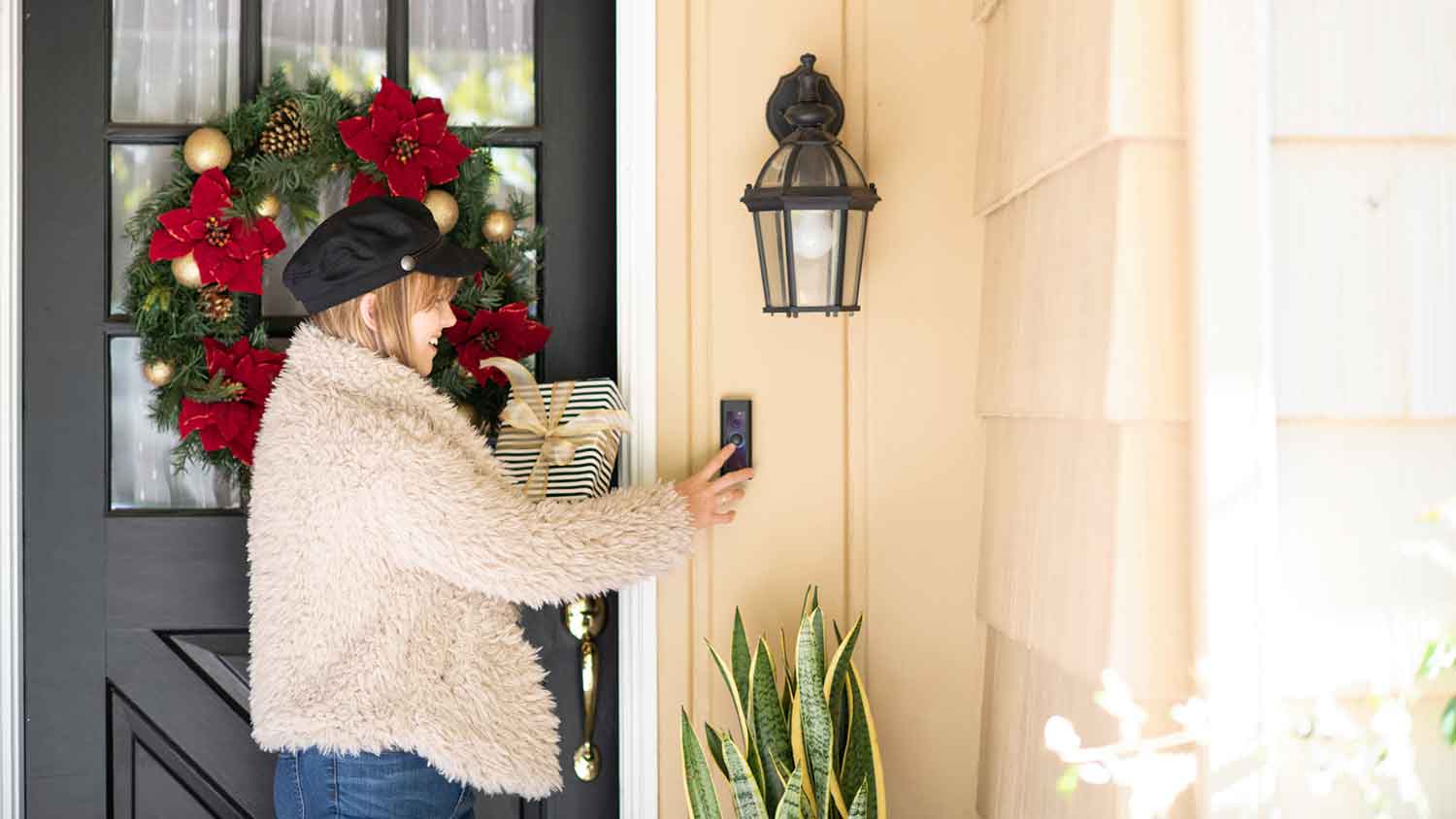
Ring a bell? From replacing a wired doorbell to setting up a smart home system, learn about typical doorbell installation costs, including materials and labor.
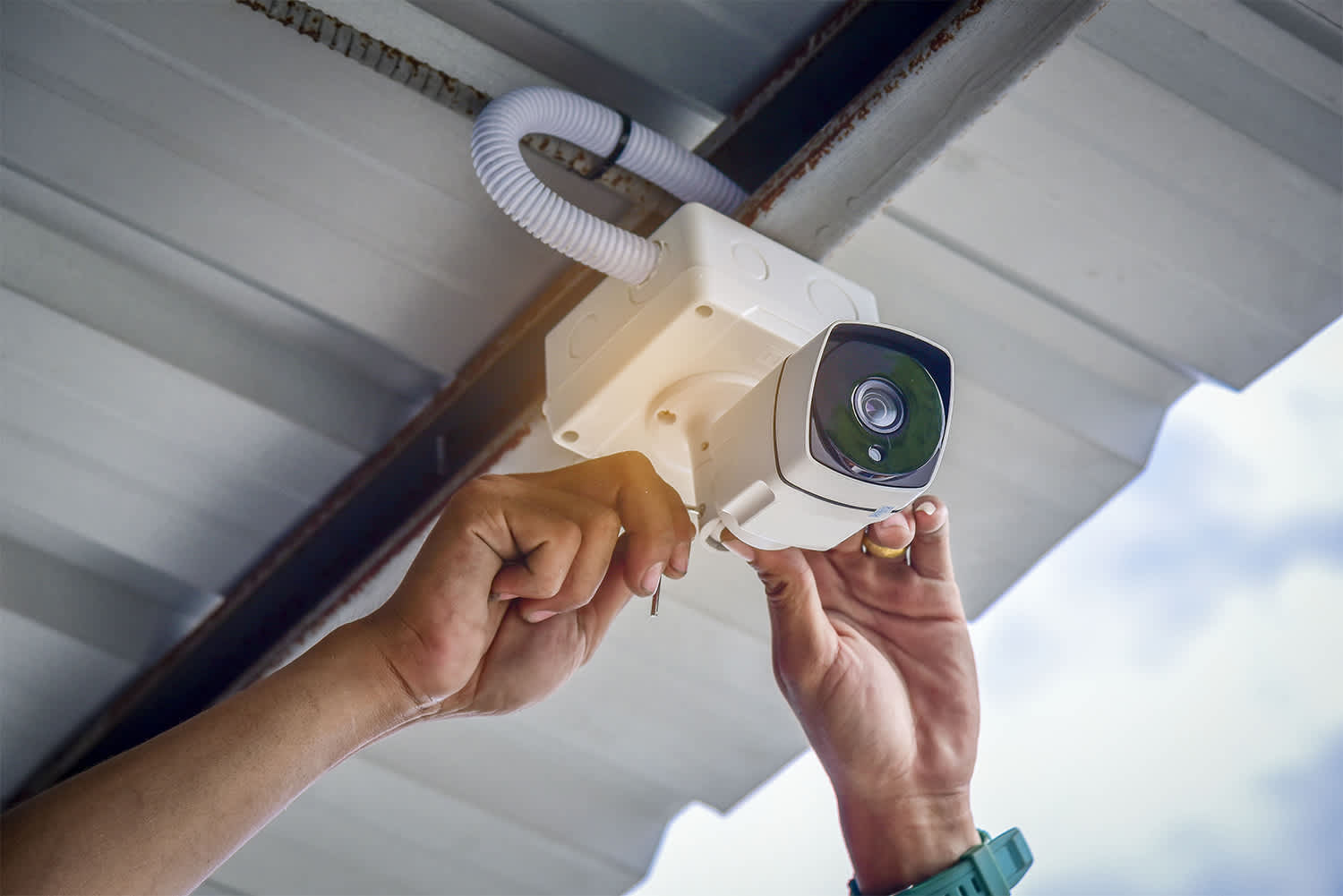
How much does it cost to install a doorbell camera? It depends on whether you plan to DIY or hire a pro. Learn about different models and their power sources, too.
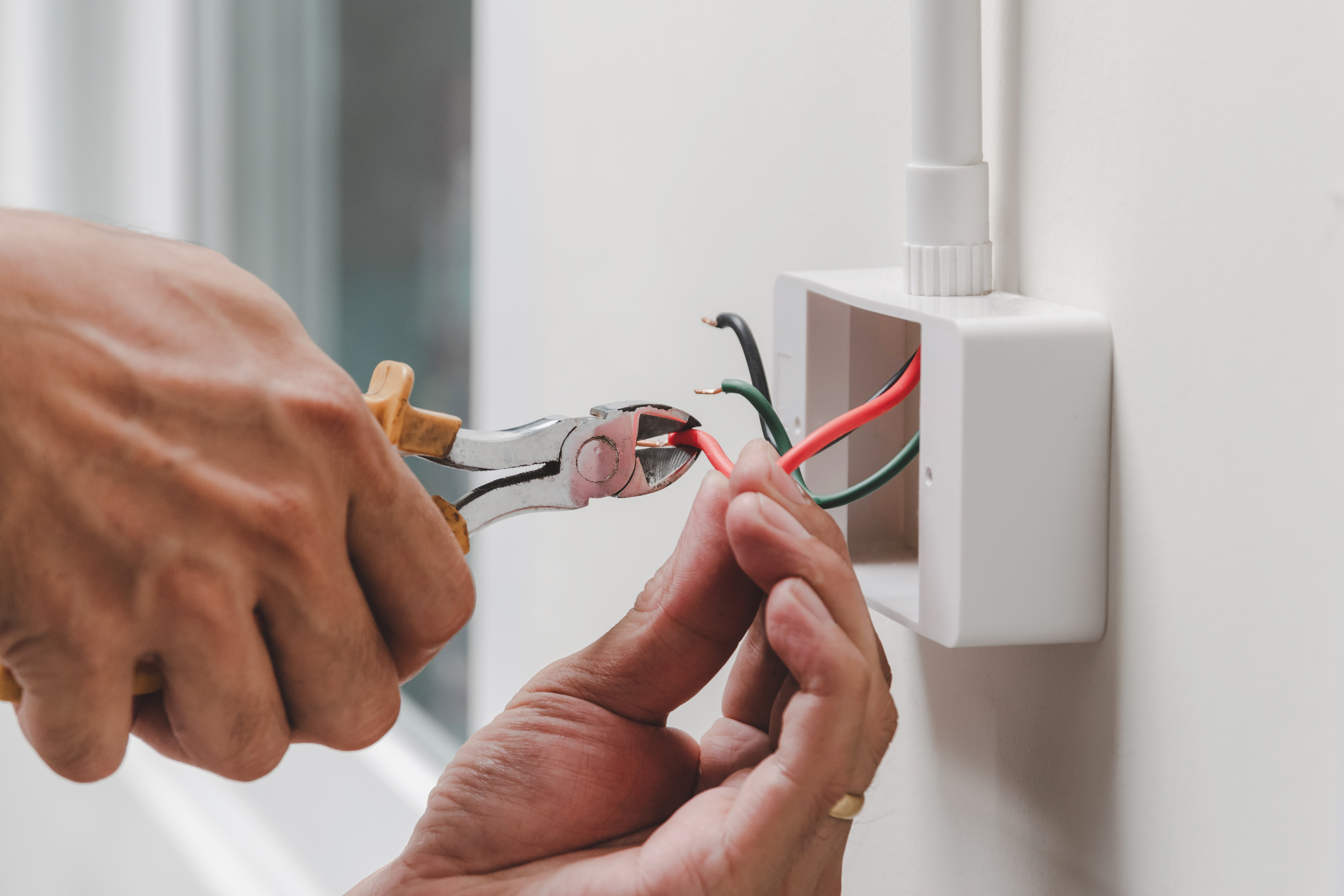
Doorbell wiring is a project you can DIY. This guide covers everything you need to know, from different types of doorbells to wiring, and how to remove an old doorbell.
Ready to upgrade your front door and learn how to wire a doorbell? You may be able to handle this relatively simple DIY installation without an electrician.
 4.7
 93