




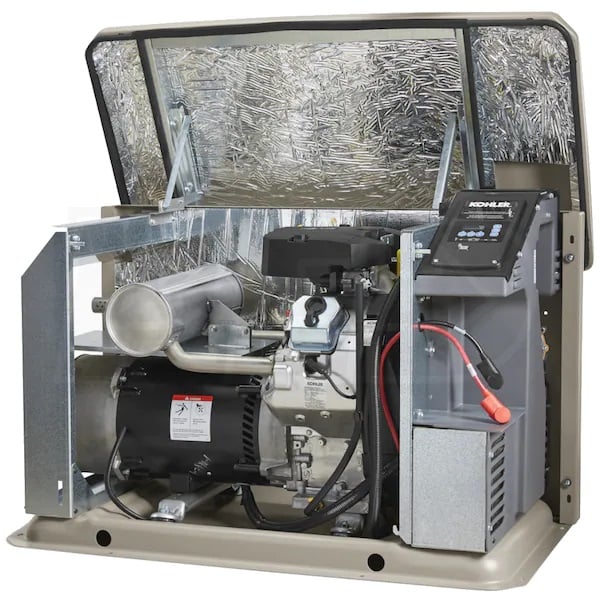
Top-rated generator install pros.

Best generator install pros near Wappingers Falls, NY

Enter your zip and get matched with up to 5 pros

Need a pro for your generator install project in Wappingers Falls, NY?

Select your specific project to find the pro for you.

TRUSTED BY WAPPINGERS FALLS, NY HOMEOWNERS

  • Average homeowner rating star icon4.5
    Average homeowner rating
  • Verified reviews icon29
    Verified generator installs reviews

Top-Rated Generator install pros in Wappingers Falls - Updated Nov 2026

Avatar for GenShield LLC
GenShield LLC
5.0(
7
)
Fixed Generator - RepairFixed Generator - InstallGenerator - Repair - For Business

Serving Wappingers Falls, NY and surrounding areas

Approved

In business since 2025

Free estimates

Emergency services offered

We are a locally owned and operated company that values honesty and integrity and treats your home as if it were our own. We specialize in generator service and repair and provide unmatched customer service! You will find us to be competitively priced, paying close attention to the details of each and every project that we are involved with. We look forward to building lasting relationships and guarantee your satisfaction! \n

10 neighbors recently requested a quote

Dtapia Electric LLC
5.0(
2
)
Fixed Generator - InstallFixed Generator - RepairGenerator - Install+4 more

Serving Wappingers Falls, NY and surrounding areas

Approved

In business since 2002

Free estimates

Emergency services offered

We have the experience and dedication to get the job done right! Specializing in Electrical services; We guarantee your satisfaction, and we won't leave until the job is done right. We pride ourselves on the quality work we provide, while delivering great customer service! Call or click for your FREE estimate today!\n

Chandelier installation
New kitchen lighting
Relocation of 200 amp service
Car charger
Relocation of 200 amp service

+5

2 neighbors recently requested a quote

Recommended by100%of homeowners
...
Showing 1-10 of 67
Generator Install FAQs, answered by experts

These advanced generators use a key fob or a smartphone app to remotely start, which is ideal for getting power back on immediately without venturing outside. This feature is more common on whole home generators, but you may be able to find it on large portable generators, too.

To reduce AC startup power for a whole-house generator, install a soft start kit or hard start capacitor, which lowers the initial surge by gradually ramping up the compressor. Using a smart load manager can also help by staggering startup loads, preventing a system overload and future costly repairs.

While diesel is relatively stable, it won’t last nearly as long as propane and you may have to replace it if it sits unused for too long. Diesel can sometimes struggle to work efficiently or start engines during especially cold weather, so it’s not the best choice for every climate. Compared to fuels like propane and natural gas, diesel generators tend to be noisier and create more exhaust, which isn’t always ideal for home use.

No, you should never plug a generator directly into a wall outlet in your house. This practice is extremely dangerous, often illegal, and can cause "back-feeding," where power from the generator flows back into utility lines, creating a life-threatening hazard for utility workers. It can also damage your home's electrical system, including appliances like pumps and HVAC fans. If the main power is restored while the generator is connected, it can destroy the generator and cause an electrical fire. To safely connect a generator, you must use a professionally installed transfer switch or an interlocking kit, which prevents back-feeding by disconnecting your home from the utility grid before the generator provides power.

To determine the right size generator for your house, you should calculate the total wattage of the appliances and devices you want to power during an outage. List all essential items, note their start-up wattages, and add them together.

Here are some typical wattage requirements for common appliances:

  • Refrigerator: 600 watts

  • Large dehumidifier: 700 watts

  • Large window air conditioner: 1,400 watts

  • Water heater: 3,000 to 4,500 watts

  • Electric furnace: 5,000 to 25,000 watts

A 7,500-watt generator might be sufficient for essentials like a refrigerator, freezer, well pump, and lighting circuits. However, for high-demand items like a water heater or furnace, a whole-home generator is a better choice. A portable generator may be enough if you only need to power a few critical items.

While home square footage can offer a rough estimate, it is not always a reliable indicator. For reference, here are some typical generator sizes based on square footage:

  • 1,000 sq ft: 6–9 kW

  • 1,500 sq ft: 7–10 kW

  • 2,000 sq ft: 10–14 kW

  • 2,500 sq ft: 12–16 kW

  • 3,000 sq ft: 16–20 kW+

For the most accurate sizing, consult a professional who can calculate your home's peak and average power consumption and recommend the optimal generator.

The Wappingers Falls, NY homeowners’ guide to generator installs

From average costs to expert advice, get all the answers you need to get your job done.