

Top-rated structural engineers.

Get matched with top structural engineers in Springville, NY

Enter your zip and get matched with up to 5 pros

Need a pro for your structural engineering project in Springville, NY?

Select your specific project to find the pro for you.

Find Structural engineers in Springville

Avatar for VHS Engineering
VHS Engineering
New to Angi

Serving Springville, NY and surrounding areas

In business since 2000

Offers commercial services

We pride our company on reliability, great communication, integrity, and quality work. We are experts in our trade and will do our best to keep you as educated as we can on your particular task or project. We look forward to earning your business!

Response time1 hour
Response rate94%
Structural Engineering questions, answered by experts

Many horizontal cracks in home foundations result from water and soil pressure from outside of the building or from a footing that is shifting. Under those circumstances, horizontal cracks are a structural problem that requires repair before they become worse and more difficult to fix. However, in very specific cases, thin horizontal cracks may simply be a cosmetic blemish due to concrete shrinkage.

Foundation cracks that are 1/8 inch wide or less, aren’t uneven across the gap, and don’t continue widening over time are usually just normal settling cracks and don’t suggest structural issues. Horizontal cracks and stair-step cracks on foundation walls, any cracks that continue widening, are wider than 1/8 inch, or where one side juts out beyond the other, are often indicative of structural damage.

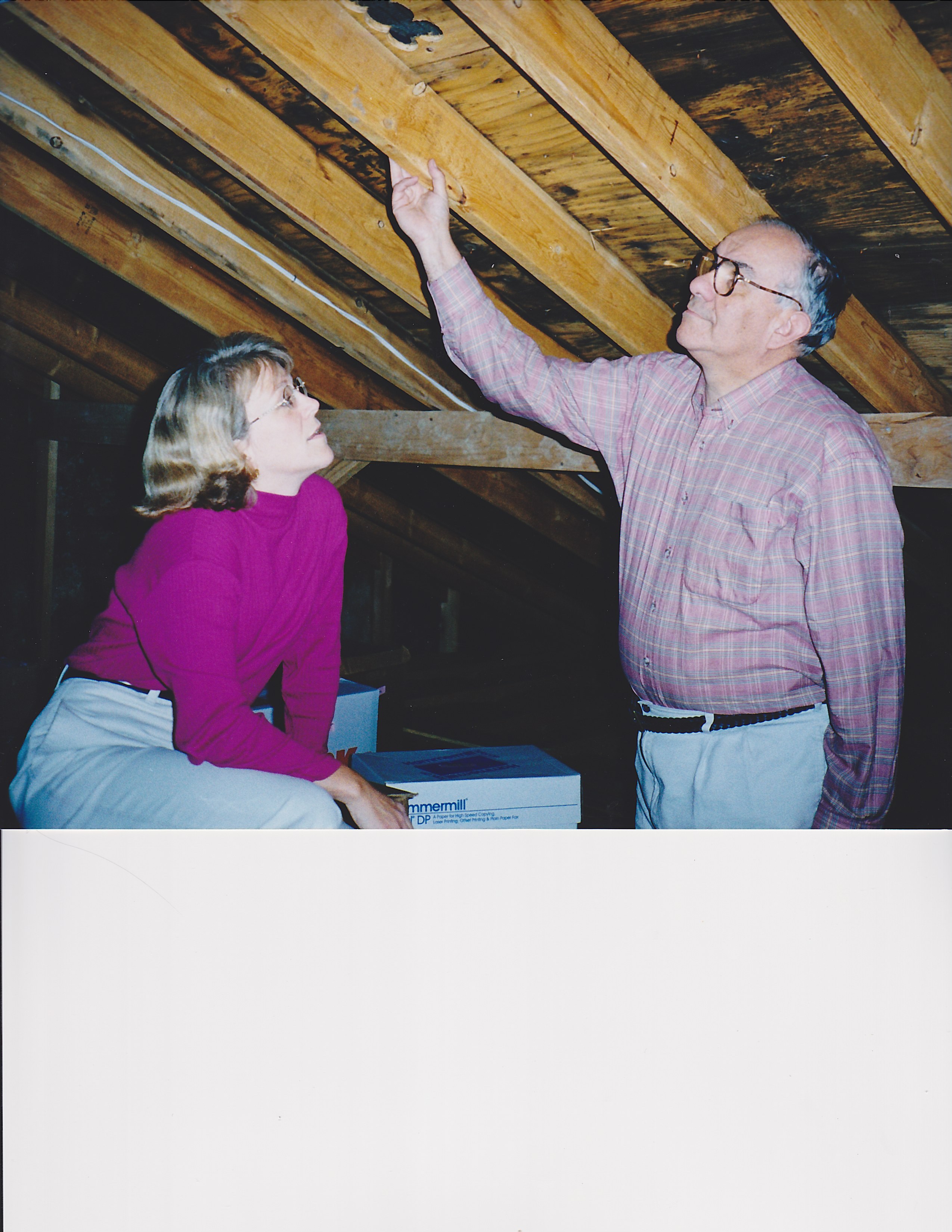
Structural engineers typically conduct inspections during a home sale or renovation, looking for signs of structural damage in various structures throughout the building, such as load-bearing walls, joists, beams, roofing trusses, foundations, and chimneys. Some of the warning signs that structural engineers check for include:

  • Dry rot

  • Infestation

  • Shifting or cracking foundations

  • Erosion

  • Water damage

  • Sagging, shifting, or damaged walls, ceilings, or roofing support

It is not recommended to cut or drill into LVL (laminated veneer lumber) beams. As major structural components of a home, their composite structure can be compromised by alterations, which can weaken them and lead to cracking over time. If you must make modifications to an LVL beam, it is crucial to consult a structural engineer or general contractor first. A professional can advise on whether it's safe and provide specifics on the appropriate bit size, depth, and directionality for any necessary drilling.

No, beams are the primary load-bearers for flooring or roofing systems, and they distribute the weight of the structure to your foundational supports, while joists bear far less weight and distribute their loads to the beams. Beams are usually thicker and longer, and they have support posts or foundation walls beneath them for support.

The Springville, NY homeowners’ guide to structural engineering services

From average costs to expert advice, get all the answers you need to get your job done.

What do you need done? We’ll find top pros.
  • 🌱 "Mow a small front yard"
  • 🛠 "Fix a leaking pipe under the sink"
  • 🏠 "Repair shingles on an asphalt roof"