


Top-rated radon detection and reduction specialists.

Get matched with top radon detection and reduction specialists in Sandy Creek, NY

Enter your zip and get matched with up to 5 pros

Need a pro for your radon detection and reduction project in Sandy Creek, NY?

Select your specific project to find the pro for you.

Find Radon detection and reduction specialists in Sandy Creek

Churchill Environmental, Inc.
5.0(
1
)
Radon Gas - Testing

Serving Sandy Creek, NY and surrounding areas

In business since 2002

Free estimates

Emergency services offered

We specialize in Asbestos, Mold, & Lead paint Inspections, Assessments, Air Sampling, Bulk Sampling, and Hazardous Materials Surveys. We also perform OSHA onsite Safety Inspection Services to ensure your employees are working safely. We pride our company on reliability, great communication, integrity, and quality work. We are experts in our trade and have been in business since 2002. We look forward to earning your business! Book with us online or feel free to give us a call today!

Response time2 days
Recommended by100%of homeowners
VAST RESTORATION SERVICES LLC.
New to Angi
Radon Gas - AbatementRadon Gas - Testing

Serving Sandy Creek, NY and surrounding areas

I am a hardworking, organized, and efficient professional dedicated to delivering high-quality results in every project I undertake. As the owner of a new lead abatement and demolition business, I bring strong leadership skills and a hands-on approach to ensuring safety, compliance, and customer satisfaction. My attention to detail and commitment to excellence set the foundation for dependable service, timely project completion, and long-term client relationships.

Radon Detection and Reduction questions, answered by experts

No level of radon is technically safe, but since it is naturally present everywhere, it is impossible to avoid entirely. The average radon level in homes across the United States is 1.3 picocuries per liter (pCi/L). The Environmental Protection Agency (EPA) recommends taking action to reduce radon levels if your home's test results are between 2 and 4 pCi/L or higher.

The soil beneath your house is most likely what’s causing an increased level of radon. This is because soil holds radioactivity for a long time and it’s also what most buildings are built on. Another common source of radon is water from a source that hasn’t been through periodic radon tests, such as well water. Over time, the radon from the soil can inhabit other parts of your house like the foundation or plumbing.

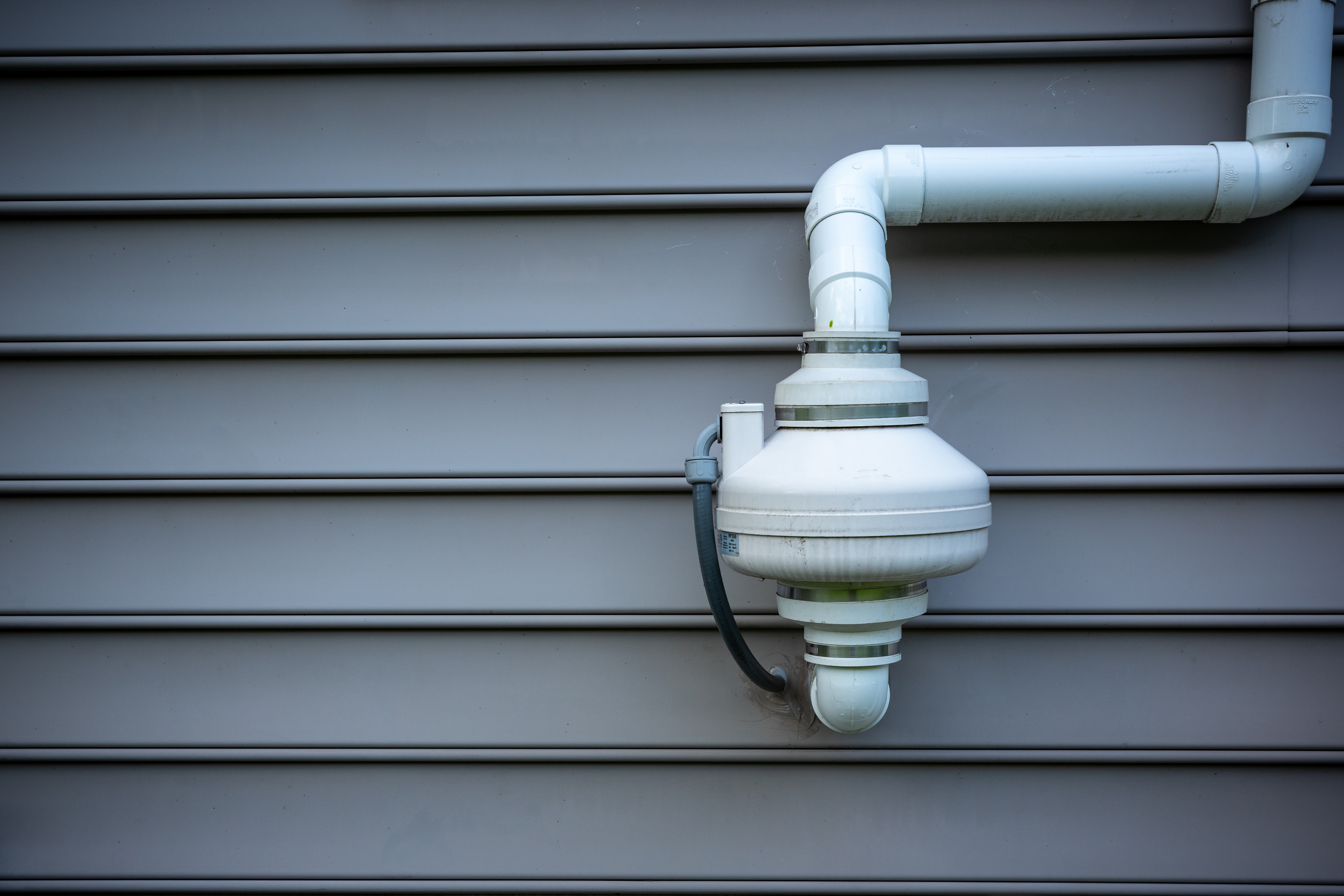
Options include sub-slab depressurization, crawlspace ventilation, and sealing cracks. Choose based on home construction and radon levels.

Radon is a cancer-causing radioactive gas that poses serious health risks, infiltrating homes through foundation cracks and unnoticed spaces.

Radon enters your home when warm air begins to rise and exits through the roof, creating a vacuum that pulls cooler air from under the foundation. Part of that air is radon, which is an invisible, odorless gas that develops naturally when radioactive particles are deep within the ground. Those particles usually come from decaying matter in soil and rocks.

The Sandy Creek, NY homeowners’ guide to radon detection and reduction services

From average costs to expert advice, get all the answers you need to get your job done.