




Top-rated painters.

Get matched with top painters in Romulus, NY

Enter your zip and get matched with up to 5 pros

Need a pro for your painting project in Romulus, NY?

Select your specific project to find the pro for you.

TRUSTED BY ROMULUS, NY HOMEOWNERS

  • Average homeowner rating star icon4.7
    Average homeowner rating
  • Verified reviews icon22
    Verified painting services reviews

Find Painters in Romulus

Avatar for No Job Too Small Painting
No Job Too Small Painting
4.6(
7
)

Serving Romulus, NY and surrounding areas

Approved

In business since 1989

Free estimates

Emergency services offered

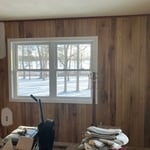
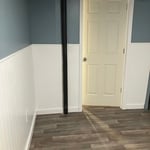
"Tom was efficient and professional. He noticed some of the windows needed glazing and did a great job in taking care of that as well as trim paint on the windows. He’s also painted/sealed my basement walls and floor. When all jobs were done, he was sure to leave a clean space. Tom is great to work with and is conscientious about communicating in a timely manner. I highly recommend him for painting/staining."
My jobs
My jobs
My jobs
My jobs
My jobs

+6

Response time5 hrs
Response rate94%
...
Showing 1-10 of 123
Painting questions, answered by experts

Limewash and whitewash are two techniques used to give brick a light, matte finish, but they differ in composition, application, and permanence. The best choice depends on your aesthetic goals and the specific surface.

Composition

  • Limewash: A natural and environmentally friendly option made from limestone, water, and sometimes pigments. It is breathable and soaks into porous surfaces like brick.

  • Whitewash: Traditionally made from lime, water, chalk, and binders, but a similar look can be achieved with watered-down white paint. It is paint-based and sits on top of the surface.

Appearance and Finish

  • Limewash: Provides a natural, textured appearance that allows the brick's character to show through. It offers a more traditional finish.

  • Whitewash: Creates a softer, more opaque finish, often used for a rustic or shabby-chic style.

Application and Permanence

  • Limewash: Is semi-permanent and can be removed, making it a good choice if you might want to change the look in the future. It requires more skill to apply and cannot be used on previously painted brick.

  • Whitewash: Is a more permanent solution. It is more forgiving to apply and can be used on painted brick. However, because it sits on the surface, it can trap moisture.

Ultimately, if you want a breathable, natural, and reversible finish for unpainted brick, limewash is a great option. If you need a more permanent, opaque coating that can be applied over painted surfaces, whitewash is the better choice. Whitewashing may also be more economical, costing approximately $1.40 to $4.20 per square foot.

Preparation includes cleaning the fence, sanding any rough areas, applying a primer if necessary, and ensuring dry weather for application.

If you don’t treat a cedar fence, it will turn from reddish brown to gray over time. You can keep the cedar from graying and retain its attractive, deep red color by sealing your cedar fence with a stain that keeps the wood’s oils in and serves as a barrier against the sun’s UV rays.

Staining a wood fence isn’t guaranteed to prevent warping, but it can help. Plus, it’s a beginner-friendly DIY project that you can finish in a few days. If you want to try it, you’ll start by stripping it of any old stain or paint, then sanding it. After that, you’ll clean it and spot-treat any mold or mildew. When it’s dry, you can apply the stain.

Staining or sealing a cedar deck or fence is highly recommended to extend its lifespan and protect it from the elements. While cedar is naturally resistant to mold and mildew, it is not impervious to damage from moisture, sun exposure, splintering, fading, and rot over time. Applying a protective finish creates a shield that preserves the wood's strength and appearance, potentially extending its life by five to 10 years.

When choosing a finish, it's helpful to understand the difference between a sealer and a stain. A sealer sits on top of the wood, whereas a combination stain and sealer soaks into the top layer. Because it penetrates the wood, a stain generally offers better protection against UV damage and rot and lasts significantly longer. For the best results that also preserve the wood's natural color, consider using a near-translucent stain.

To maintain protection, plan on reapplying the stain or sealer every two to three years, either as a DIY project or by hiring a professional.

The Romulus, NY homeowners’ guide to painting services

From average costs to expert advice, get all the answers you need to get your job done.