

Top-rated fireplace cleaning pros.

Get matched with top fireplace cleaning pros in Red Hook, NY

Enter your zip and get matched with up to 5 pros

Need a pro for your fireplace cleaning project in Red Hook, NY?

Select your specific project to find the pro for you.

TRUSTED BY RED HOOK, NY HOMEOWNERS

  • Average homeowner rating star icon4.1
    Average homeowner rating
  • Verified reviews icon25
    Verified fireplace cleaning services reviews

Find Fireplace cleaning pros in Red Hook

Avatar for Chimneys R Us, LLC
Chimneys R Us, LLC
4.0(
35
)
Clean and Inspect a wood fireplace chimneyChimney or Fireplace - Clean and Inspect - For Business

Serving Red Hook, NY and surrounding areas

Approved

In business since 2017

Free estimates

Emergency services offered

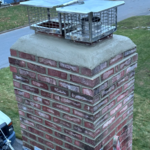
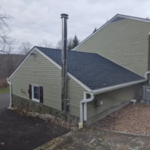
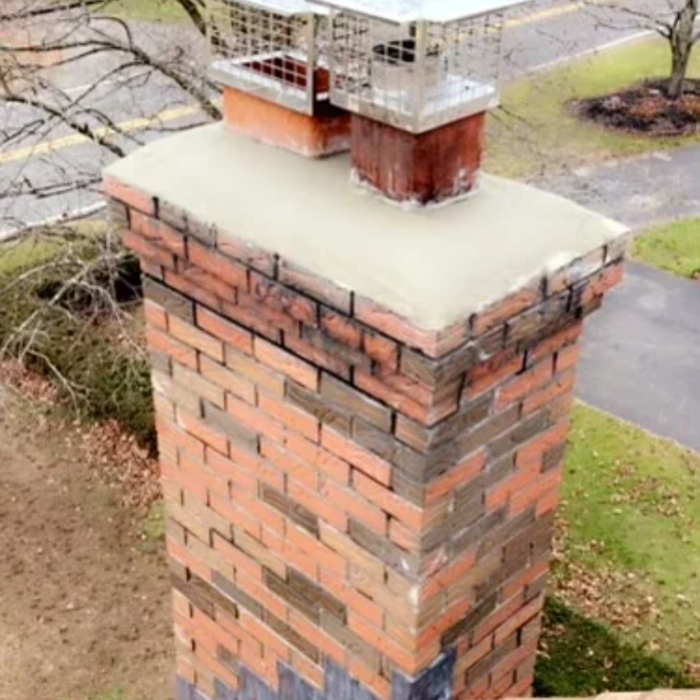
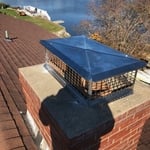
"The workers and office staff were easy to talk to, well informed, courteous , and efficient. They performed a thorough inspection. Recommended and installed a stainless liner and cap for the furnace flue and a new damper on the fireplace flue. Their price was better than previous quotes and even set up a partial payment plan. I am very pleased with the work they did."
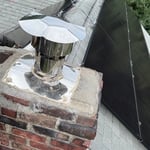
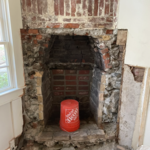
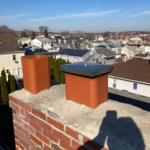
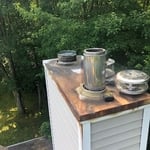
COPPER CAP
CUSTOM CAP
CUSTOM CAP
OLD CHASE COVER
NEW CHASE COVER

+9

Response time1 hour
Response rate99%
1 neighbors recently requested a quote
Showing 1-10 of 38
Fireplace Cleaners questions, answered by experts

The best color to paint a brick fireplace comes down to personal taste. However, neutral colors—like white or gray—will open the space and create a bright modern look, making them popular options. However, choosing a bold color can turn your fireplace into a feature piece that will be the talk of all family gatherings. 

Limewash and whitewash do not harm surfaces if you apply them correctly. Use on non-suitable surfaces can cause issues. For instance, applying limewash or whitewash to surfaces with existing sealants or incompatible materials may lead to poor adhesion or flaking. Also, harsh cleaning agents on limewashed or whitewashed surfaces can damage the finish. Proper preparation, application, and maintenance ensure that limewash and whitewash do not harm surfaces.

Limewash and whitewash are two techniques used to give brick a light, matte finish, but they differ in composition, application, and permanence. The best choice depends on your aesthetic goals and the specific surface.

Composition

  • Limewash: A natural and environmentally friendly option made from limestone, water, and sometimes pigments. It is breathable and soaks into porous surfaces like brick.

  • Whitewash: Traditionally made from lime, water, chalk, and binders, but a similar look can be achieved with watered-down white paint. It is paint-based and sits on top of the surface.

Appearance and Finish

  • Limewash: Provides a natural, textured appearance that allows the brick's character to show through. It offers a more traditional finish.

  • Whitewash: Creates a softer, more opaque finish, often used for a rustic or shabby-chic style.

Application and Permanence

  • Limewash: Is semi-permanent and can be removed, making it a good choice if you might want to change the look in the future. It requires more skill to apply and cannot be used on previously painted brick.

  • Whitewash: Is a more permanent solution. It is more forgiving to apply and can be used on painted brick. However, because it sits on the surface, it can trap moisture.

Ultimately, if you want a breathable, natural, and reversible finish for unpainted brick, limewash is a great option. If you need a more permanent, opaque coating that can be applied over painted surfaces, whitewash is the better choice. Whitewashing may also be more economical, costing approximately $1.40 to $4.20 per square foot.

No, you can't apply limewash with a roller and expect good results. Limewash is as much a technique as it is a type of paint, and a freehand application with a brush is part of that technique. Hand brushing a large area can be tiring, but limewash goes on easily and only requires thin coats to be effective.

To stain brick, you should use a product specifically formulated for brick, concrete, or other masonry surfaces. These stains are designed to penetrate the porous surface of the brick and bond with it. This is different from paint, which sits on the surface and is prone to peeling, flaking, and trapping moisture that can cause damage. Water-based brick stains are often recommended because they are easy to apply, even for DIYers, and they allow the brick to breathe. Avoid using regular paint on brick, as it will not adhere properly and can lead to future maintenance problems.

The Red Hook, NY homeowners’ guide to fireplace cleaning services

From average costs to expert advice, get all the answers you need to get your job done.