


Top-rated arborists.

Best arborists near Phoenicia, NY

Enter your zip and get matched with up to 5 pros

Need a pro for your arboricultural service project in Phoenicia, NY?

Select your specific project to find the pro for you.

TRUSTED BY PHOENICIA, NY HOMEOWNERS

  • Average homeowner rating star icon4.5
    Average homeowner rating
  • Verified reviews icon54
    Verified arboricultural services reviews

Top-Rated Arborists in Phoenicia - Updated Nov 2026

Avatar for US Tree Service LLC
US Tree Service LLC
4.4(
82
)
Tree RemovalTree TrimmingTree Removal - For Business+1 more

Serving Phoenicia, NY and surrounding areas

Approved

In business since 2008

Free estimates

Credit card accepted

US Tree Service LLC has been serving the community for over 10 years! Our mission statement is: To provide a 100% guarantee work that our costumers may be happy and highly satisfied with the work done at their property.

47 neighbors recently requested a quote
Recommended by88%of homeowners

Avatar for SHAE Land Services, LLC
SHAE Land Services, LLC
5.0(
3
)
Tree Stump - Remove

Serving Phoenicia, NY and surrounding areas

Approved

In business since 2021

Free estimates

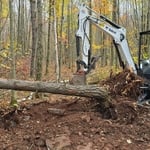
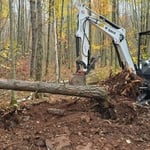
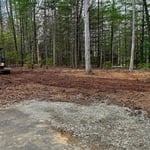
"I wanted to excavate an unwanted asphalt driveway. Leon was fantastic! He’s patient, responsive, immediately likable, and professional. He got the job done quickly and efficiently. I was extremely pleased!"
Land Clearing
Land Clearing
Land Clearing
2 neighbors recently requested a quote
...
Showing 1-10 of 71
Arborists FAQs, answered by experts

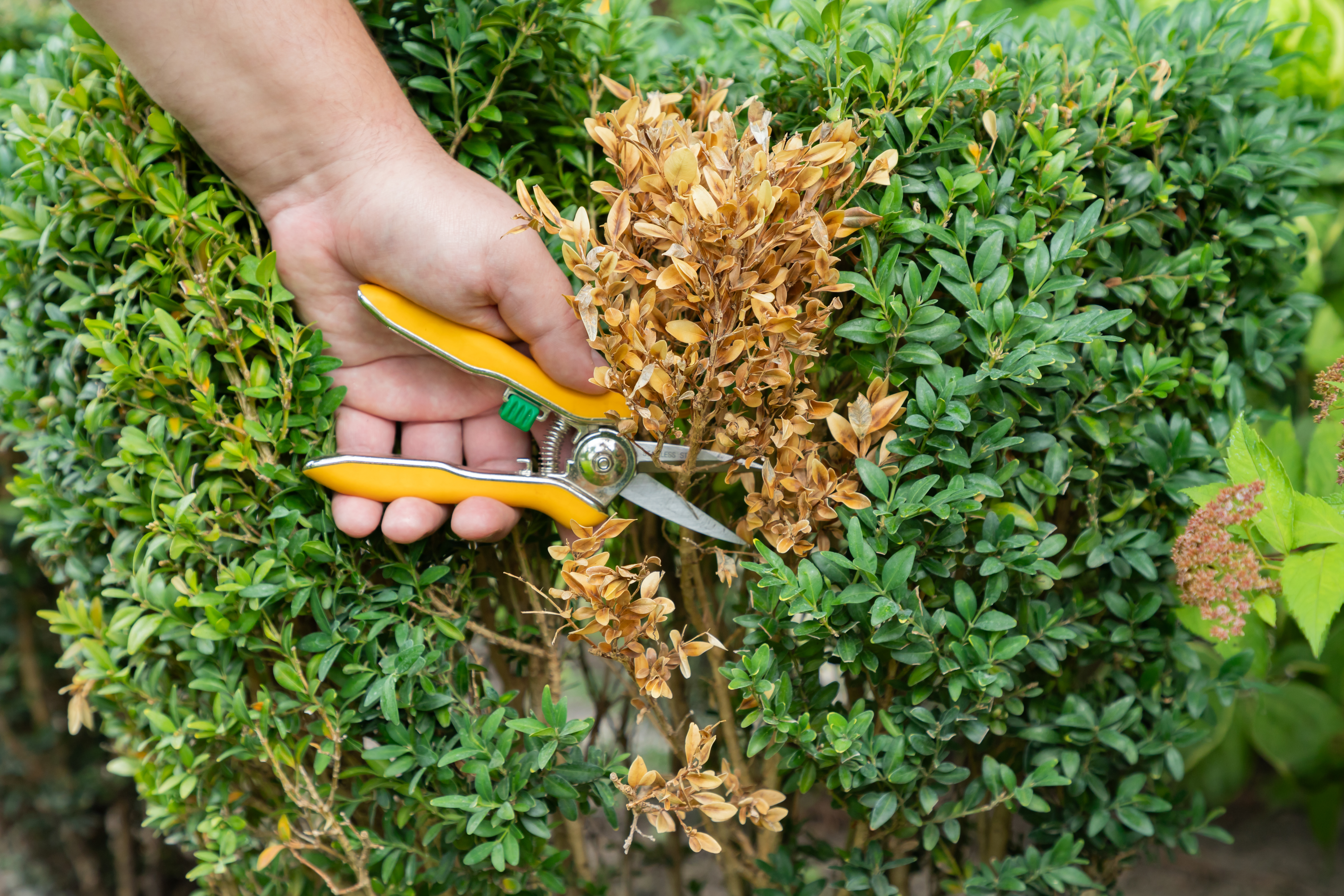
Late winter is ideal, but if you’re pruning apple trees in the spring, prune them as early as possible in the season. You want to ensure your tree is just creeping out of dormancy and hasn’t started pushing out new growth. If you prune your tree too late into spring, you generally won’t see results until the following year.

That said, there’s no pruning season for unhealthy growth. Remove dead, dying, or diseased branches as soon as you notice them, regardless of the time of year.

Trees aren't big fans of moving, and they do go into shock during a transplant. Although most carefully thought-out tree transplants see the tree recover from the shock just fine, there is always a risk of having an unsuccessful move. Proper preparation, timing, and diligent aftercare are crucial to minimize the risks when transplanting a tree.

It can be bad to leave a dead stump in the ground. A stump becomes a hefty piece of dead wood in time and eventually (especially with the help of rain) starts to rot. That makes it a locus point for diseases and pesky insects, as well as a bit of an eyesore. It’s best to remove a tree stump completely before it starts to decay, especially before it starts to fall apart. If the tree was removed because of disease, it’s even more important to fully remove the stump if possible.

If you’re wondering whether you can plant a tree where the stump was removed, know that the soil conditions won’t be ideal, so you should avoid it. The soil beneath the previous tree will likely be depleted of nutrients, plus there may be roots left behind that will seriously hinder the growth of a new tree. Also, if you use salt or other chemical solutions to kill the stump, these can linger in the soil for months or even years and prevent healthy growth. It’s best to choose a different spot that’s at least three feet away for a new tree, or wait at least a year and thoroughly amend the soil before you plant.

The fastest ways to remove a tree stump are by grinding it or burning it.

Stump grinding is often the quickest method, with professionals able to chip away a stump and its roots within a single session. You have the option to hire a professional stump removal service or rent a stump grinder to do it yourself. However, it's important to note that these machines can be large, difficult to transport, and dangerous to operate without prior experience. For safety reasons, hiring a local arborist or landscape specialist is often recommended.

Burning is another fast option. Before you begin, check your local burn laws. The process involves drilling holes into the stump, filling them with vegetable oil, and waiting 24 to 48 hours. Afterward, you can add charcoal bricks to the surface and light the fire, which must be attended at all times.

For a more affordable but much slower alternative, you can use potassium nitrate pellets to accelerate the natural decomposition process. This method typically takes four to six months.

The Phoenicia, NY homeowners’ guide to arboricultural services

From average costs to expert advice, get all the answers you need to get your job done.