






Top-rated lawn irrigation specialists.

Best lawn irrigation specialists near Ossining, NY

Enter your zip and get matched with up to 5 pros

TRUSTED BY OSSINING, NY HOMEOWNERS

  • Average homeowner rating star icon4.8
    Average homeowner rating
  • Verified reviews icon108
    Verified lawn irrigation services reviews

Top-Rated Lawn irrigation specialists in Ossining - Updated Nov 2026

Avatar for Regina Landscaping Corp
Regina Landscaping Corp
4.9(
16
)
Lawn and Garden Sprinkler System - InstallLawn and Garden Sprinkler System - Install - For BusinessLawn and Garden Sprinkler System - Repair+2 more

Serving Ossining, NY and surrounding areas

Approved

In business since 2006

Free estimates

Customers say: True professional

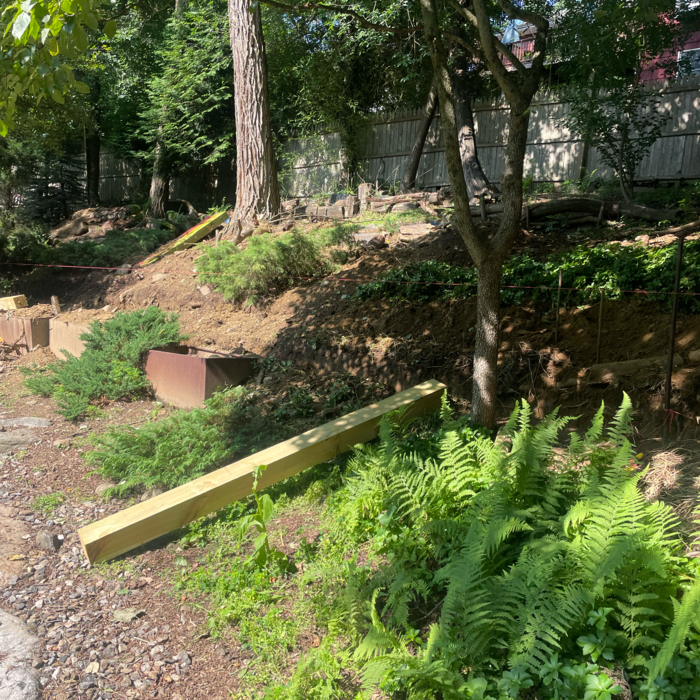
"We recently purchased our home and had a variety of projects needed to repair and upgrade the house. This included cleaning the roof, repairing the rain gutters, repairing roof tiles, addressing drainage issues around the house, repairing potholes, and replacing the floor in our 3-season room with a new concrete floor and bluestone for the tiling."
Additional Photos
Additional Photos
Additional Photos
Additional Photos
Additional Photos

+122

Response time3 days
Response rate100%
Recommended by50%of homeowners
Avatar for Horsey Irrigation Services LLC
Horsey Irrigation Services LLC
5.0(
1
)
Lawn and Garden Sprinkler System - InstallLawn and Garden Sprinkler System - Repair

Serving Ossining, NY and surrounding areas

Approved

Free estimates

Emergency services offered

Warranties offered

Horsey Irrigation Services was born in Connecticut with a simple idea: irrigation service should feel like a favor from a good neighbor, not just another transaction with a contractor.\n\nAfter more than 15 years working with irrigation systems across homes, condominium associations, and commercial properties throughout New England, William Quintanilla decided to found Horsey Irrigation Services together with his partner Oliver Arias to do things their way: with real quality, fair pricing, and direct communication with every client.\n\nWe are not an anonymous company with a distant call center. When you call us, you talk to William or to Oliver. When we arrive at your property, we arrive with the same truck, the same crew, and the same values we've carried since day one.

Logo
30 neighbors recently requested a quote
...
Showing 1-10 of 89
Lawn Irrigation FAQs, answered by experts

Power seeding and aeration are both excellent ways to improve lawn health, but they serve different functions. Aeration focuses on improving soil health by creating channels that allow more water, oxygen, and carbon dioxide to reach the roots. In contrast, power seeding is a method of planting grass seeds, often by creating narrow trenches in the soil. One service isn't better than the other; they are complementary. It is beneficial to aerate your lawn before power seeding, as this makes the seeding more effective by helping the germinating seeds access the resources they need. It's a good practice to aerate your lawn once or twice a year, regardless of whether you plan to power seed.

The first step in re-doing a bad lawn is correctly diagnosing the problem. That’s why we recommend calling a licensed and trustworthy lawn care company that can help turn your damaged lawn around. Once the problem is diagnosed and fixed, you’ll want to keep up with lawn maintenance by watering, mowing, and feeding your lawn the proper nutrients.

The best time to plant is between spring and autumn. Springtime weather is typically mild and is when nurseries start to bloom. When the summer weather arrives and it’s hot out, it’s best to avoid planting bare-root plants, but you can still plant many in-container varieties. The first sign of fall is another great opportunity to plant biennials if you live in southern states, or a lovely vegetable garden up north.

The easiest way to rough up soil to accept grass seed and provide the best opportunity for its growth is to make several passes over the area with a garden tiller and rake away the loosened vegetation and debris. However, in some cases, very hard ground may require using a shovel or pick to break up pieces into smaller chunks that the tiller can handle more easily.

Yes, grass will regrow after forestry mulching, but the timeline depends on soil conditions, mulch thickness, and existing seed banks. The nutrient-rich mulch left behind helps retain moisture and improve soil health, encouraging regrowth. However, if the mulch layer is too thick, it may block sunlight and slow grass germination. For faster results, you can rake excess mulch, aerate the soil, and plant the new grass seeds.

The Ossining, NY homeowners’ guide to lawn irrigation services

From average costs to expert advice, get all the answers you need to get your job done.