
Top-rated asphalt driveway pros.

Best asphalt driveway pros near Odessa, NY

Enter your zip and get matched with up to 5 pros

Need a pro for your asphalt driveway service project in Odessa, NY?

Select your specific project to find the pro for you.

Top-Rated Asphalt driveway pros in Odessa - Updated Nov 2026

Avatar for WoodRock Construction
WoodRock Construction
5.0(
4
)
Concrete Driveways - Install

Serving Odessa, NY and surrounding areas

Approved

In business since 2024

Free estimates

Credit card accepted

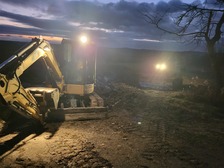
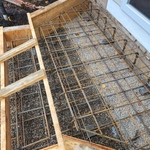
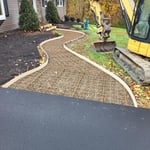
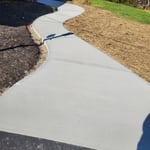
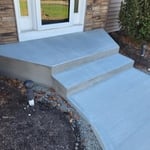
"We had the front entrance to our home completely replaced, Matt was very attentive and helpful with the design and desired outcome we were looking to achieve. He is very knowledgeable and has an outstanding work ethic. Matt will be the first call we make for any future projects. Thank you Woodrock Construction!"
Residential concrete

+16

Response time1 day
Response rate100%
1 neighbors recently requested a quote
Ward's Construction, Inc.
5.0(
1
)
Concrete Driveways & Floors - Install- For Business

Serving Odessa, NY and surrounding areas

Approved

In business since 2000

Free estimates

Credit card accepted

We take great pride in our experience, expertise, quality, and customer service that we provide to meet the consumer's needs. It is our mission to provide excellent workmanship and complete customer satisfaction from start to completion of a project. In order to understand the needs and expectations of our customers, we take great care to work and communicate with every customer in a professional manner. Our reputation is based on service, safety, and quality, regardless of how large or small the job.

Recommended by100%of homeowners
...
Showing 1-10 of 59
Asphalt Driveways FAQs, answered by experts

An asphalt driveway should be at least 3 inches thick over a compacted gravel base. Areas with poor drainage should have a thicker stone base. To install a new asphalt driveway over an existing driveway, the new asphalt should be at least 2 inches thick and the existing driveway should be in relatively good condition.

The decision to repair or replace your driveway depends on the extent of the damage. If your driveway has a few small cracks, a simple repair will do the trick. If you see larger cracks and potholes, it may be time to consider resurfacing or replacement. Resurfacing is a great option if more than 25% of the surface is damaged, but if the damage is extensive—deep cracks or significant sinking—it’s best to replace the driveway entirely. A new driveway, with proper care, can last decades while patching or resurfacing might only hold up for a few years before needing more attention.

A solid driveway starts with the right asphalt mix, and for most homes, dense-graded hot mix asphalt (HMA) is the most recommended. It’s both durable and flexible, making it a reliable choice for residential use. A properly compacted 2-3 inch layer on a well-prepared crushed stone base will hold up for years. In areas with harsh winters or scorching summers, a slightly modified mix can help prevent cracking and rutting. No matter the climate, quality installation is just as important as the material itself, so hiring an experienced contractor ensures a smooth, long-lasting driveway built to last.

The answer to whether or not you need to get a permit before you start your driveway can vary widely based on local ordinances and the scope of your driveway ideas. In most urban and suburban areas, a permit is needed before building a new driveway to ensure that a homeowner is using safe materials and proper drainage practices while designing and constructing a new driveway. In some rural areas, a homeowner may not be required to apply for a permit. When building a new driveway on your own, always check with your local building department to see if you need to request a permit. When hiring a driveway contractor, verify that the right permits are being used before driveway construction begins.

Asphalt, which is stone mixed with tar, is the most common material for outdoor basketball courts because it’s so sturdy and versatile. However, you don't have to use it: another option is polymeric rubber, which has shock pads that can prevent injury. This option is a little more expensive, ranging between $16 and $25 per square foot.

Materials used for indoor basketball courts, such as hardwoods, aren’t really an option outdoors.

The Odessa, NY homeowners’ guide to asphalt driveway services

From average costs to expert advice, get all the answers you need to get your job done.