



Top-rated bird control service pros.

Get matched with top bird control service pros in Maine, NY

Enter your zip and get matched with up to 5 pros

Need a pro for your bird control service project in Maine, NY?

Select your specific project to find the pro for you.

TRUSTED BY MAINE, NY HOMEOWNERS

  • Average homeowner rating star icon4.6
    Average homeowner rating
  • Verified reviews icon85
    Verified bird control services reviews

Find Bird control service pros in Maine

Keller's Pest Control, LLC
4.8(
27
)
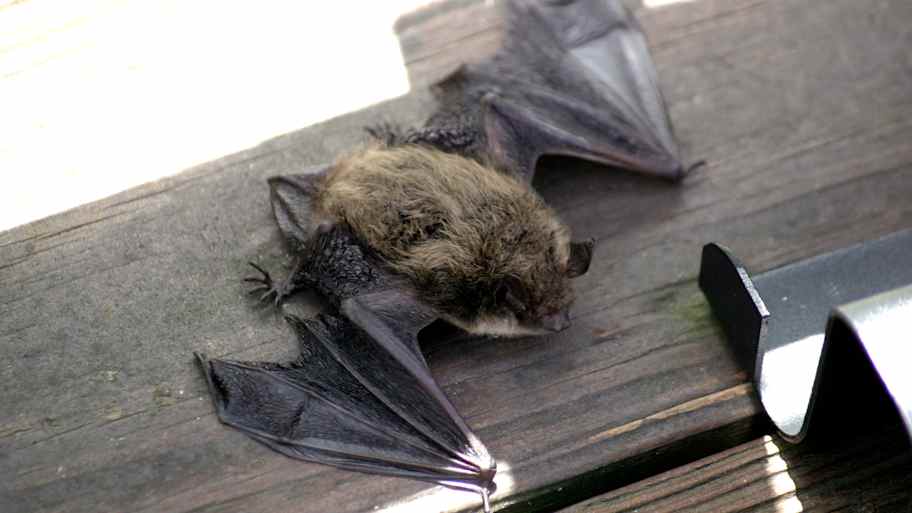
Pest Control - Birds and Bats

Serving Maine, NY and surrounding areas

In business since 2015

Free estimates

Offers commercial services

"Mr. Keller and his team are beyond phenomenal people. This business popped up when we definitely did not expect it, and became a white knight to a problem we have been dealing with, living in misery because of financial strains, for a long time. Mr. Keller was very kind, professional, understanding, and empathetic to our problem, and the fact that we were dealing with it while having children in the home. It was a mere 4 days between inspection and service, and the team was on time, beautifully kind. Mr. Keller was easy to work with, and helped us maintain the ability to get pest control treatment, even though we are on a very tight budget. This is the pest control company for all! They will not let you down!!"
Response time1 day
Recommended by91%of homeowners
Showing 1-10 of 11
Bird Control questions, answered by experts

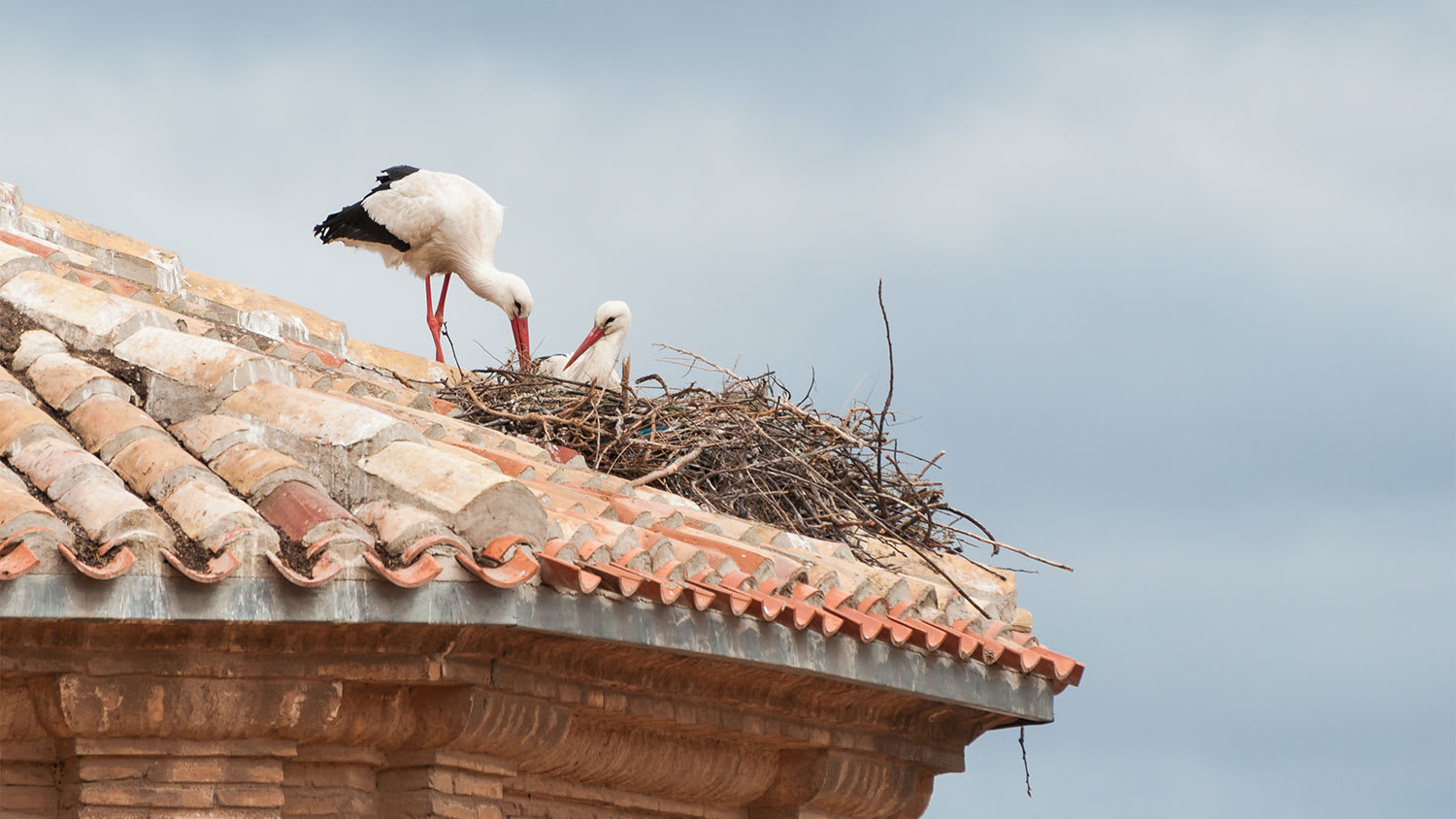
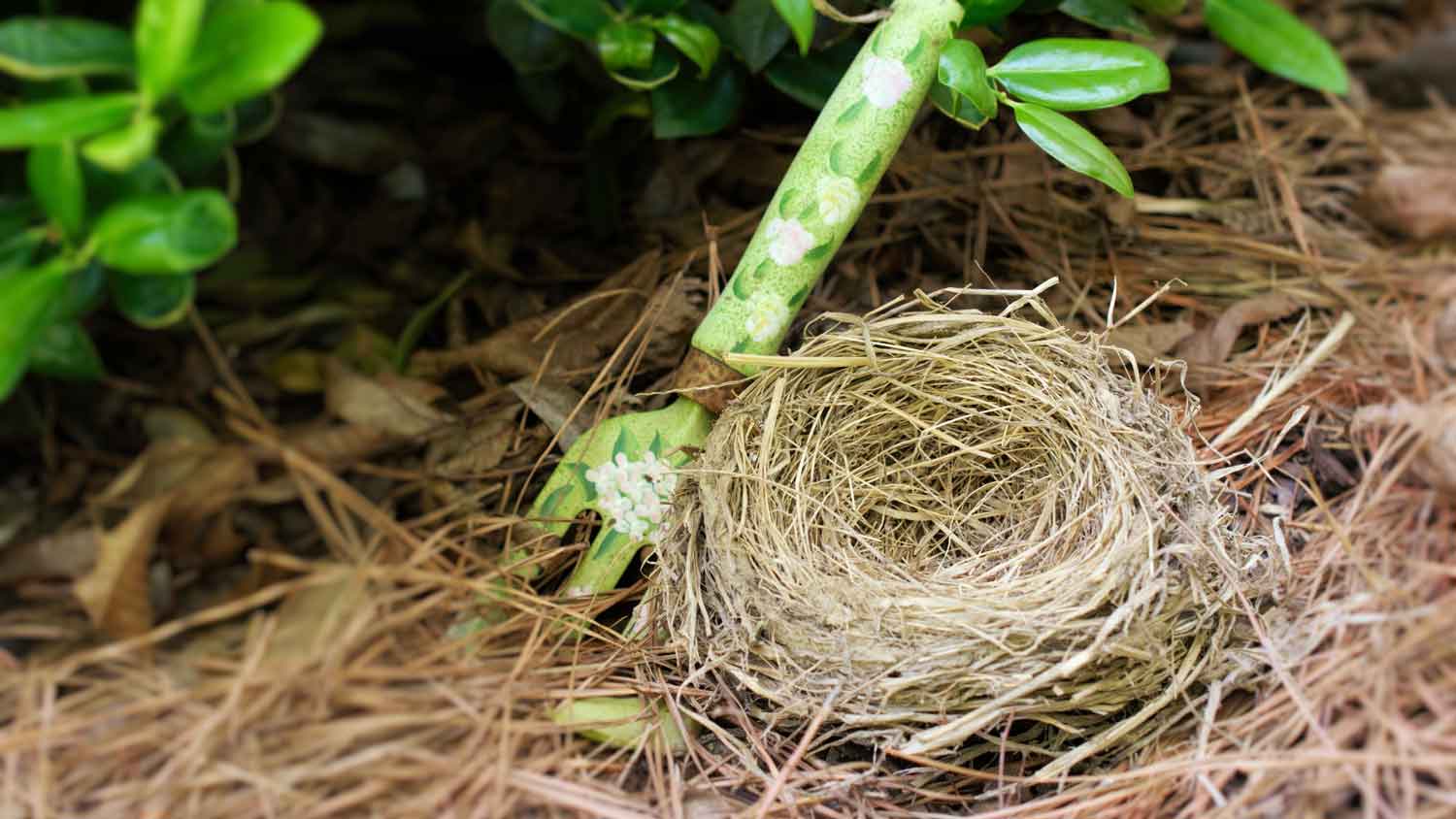
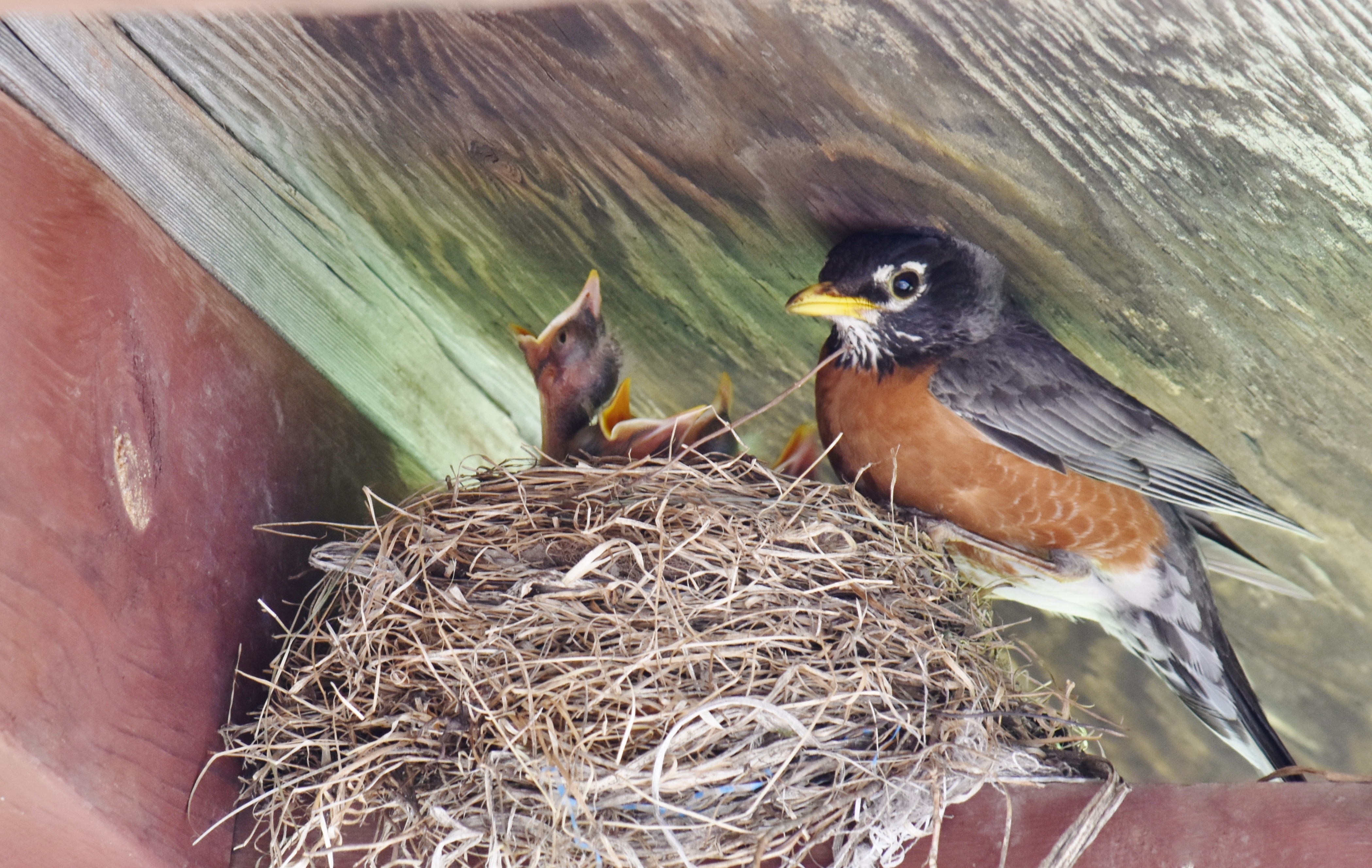
The lifespan of a bird's nest depends on the species. The building process can take from two days to three weeks. Once built, the nesting period for baby birds can last from two to ten weeks before they leave the nest. While most young birds are ready in two to six weeks, some predatory species may need up to two and a half months. Some species nest four to five times per year, so a nest could remain in use for several months. For specific information about a particular nest's longevity, it is best to consult a wildlife professional.

The brown recluse has numerous predators in the wild (or close to your home). They are a valuable part of the ecosystem, too. Their predators often include birds, praying mantis, crickets, chickens, spider wasps, and more. However, the brown recluse spider is a master at hiding, making it much more difficult for predators to hunt them.

No single deterrent will work 100 percent of the time, so we suggest combining deterrents to ensure your seed has the best possible chance to grow. Using bird netting over your seed, with physical deterrents like mylar tape coupled with hanging bird feeders at the edges of your growing area—and removing any bird’s nests, if possible—will give your seeds the best possible chance for success.

To keep animals out, you must prevent them from entering. As long as they can get in, the problem will persist. That said, consider making your attic less inviting using deterrents like motion-activated lights or ultrasonic devices. Additionally, keeping a well-maintained, clean, and uncluttered attic that you regularly inspect for activity may make the space less attractive to critters.

No, you shouldn’t have to worry about bats in your yard as long as they don’t make their way inside your house. Typically, bats hang around backyards in order to consume bugs, especially if they’re located in the U.S. Bats that are native to North America can consume more than 500 bugs per hour, so they may actually benefit your yard if mosquitoes are prevalent.

The Maine, NY homeowners’ guide to bird control services

From average costs to expert advice, get all the answers you need to get your job done.