



Top-rated structural engineers.

Get matched with top structural engineers in Keeseville, NY

Enter your zip and get matched with up to 5 pros

Need a pro for your structural engineering project in Keeseville, NY?

Select your specific project to find the pro for you.

Find Structural engineers in Keeseville

Avatar for EHM

EHM

4.50(
16
)

EHM

4.50(
16
)
Customers say: Quality work
72 years of experience

EHM is a structural moving and elevating company that also specializes in foundation repair and replacement. We have been working in the Midwest since the Great Floods of 1993. We specialize in severely comprised foundation issues. We can elevate, level, pier or replace a wall or your entire foundation. We do not do mudjacking, waterproofing or minor crack repair.

"I did not get the service that we originally talked about I am very unhappy"

Donna S on August 2021

EHM is a structural moving and elevating company that also specializes in foundation repair and replacement. We have been working in the Midwest since the Great Floods of 1993. We specialize in severely comprised foundation issues. We can elevate, level, pier or replace a wall or your entire foundation. We do not do mudjacking, waterproofing or minor crack repair.

"I did not get the service that we originally talked about I am very unhappy"

Donna S on August 2021


Avatar for SERVIDIO ENGINEERING

SERVIDIO ENGINEERING

No reviews yet

SERVIDIO ENGINEERING

No reviews yet
41 years of experience

We are a small structural engineering design firm with over 27 years of services in all types of civil engineering structures (buildings, bridges, tanks, theme parks structures, parking structures, etc). We use the latest design systems (including Autodesk Revit Structure CAD, RISA-3D FEA analysis for modeling & sizing for gravity, wind & seismic loadings) and other high level computer software in our work.

We are a small structural engineering design firm with over 27 years of services in all types of civil engineering structures (buildings, bridges, tanks, theme parks structures, parking structures, etc). We use the latest design systems (including Autodesk Revit Structure CAD, RISA-3D FEA analysis for modeling & sizing for gravity, wind & seismic loadings) and other high level computer software in our work.

Structural Engineering questions, answered by experts

On average, 6 inches of concrete can hold around 150 pounds per square foot, but the exact weight that 6 inches of concrete can hold depends on factors such as the type of concrete, the reinforcement method, soil conditions below, and structural design. If you’re concerned about the longevity of your concrete patio, walkway, or driveway, hire a professional to help you choose an appropriate concrete thickness and reinforcement method for your needs.

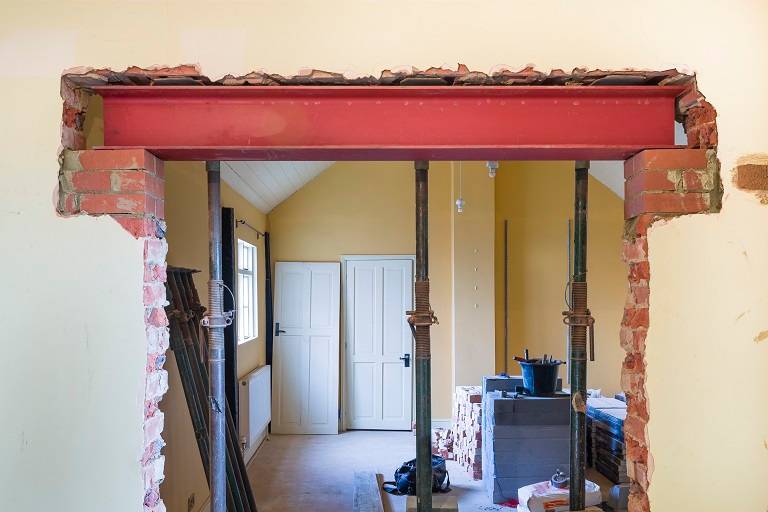
You should pick steel for your new support beam for a few reasons. While steel is more expensive than other materials, such as laminated veneer lumber or glulam, it offers the following benefits:

  • Fire-resistant

  • Unaffected by pests

  • Longer-lasting

  • Stronger against water damage (when galvanized against rust)

The easiest way to tell if a wall is load bearing is to check if it’s an exterior wall or if it runs perpendicular to the joists above and below it (or parallel to beams). Exterior walls are almost always load-bearing, and walls that run under beams or parallel to them are also usually load-bearing. There are exceptions to these rules, and walls that don’t fit into these categories can still be load-bearing. If you’re unsure, hire a structural engineer to look at your home to assess whether or not the wall is structural.

Yes, water damage can affect your walls' structural integrity. If the water or moisture sits on the walls for an extended period, it can weaken the drywall, plaster, wood framing, and other materials supporting the wall. That's why it's critical to dry out the area as soon as you notice it.

The depth of any foundation style depends on your climate and how deep the frost line is, as building code requires that the footers of a foundation—which are built into a monolithic slab—sit at least a foot below the frost line. At the southern tip of Florida, for example, a monolithic slab foundation would only need to sit 12 inches under the soil at the widest parts. On some parts of the Canadian border, the frost line is 100 inches, which would mean a minimum of 112 inches, which is prohibitively deep for a monolithic slab.

The Keeseville, NY homeowners’ guide to structural engineering services

From average costs to expert advice, get all the answers you need to get your job done.

What do you need done? We’ll find top pros.
  • 🌱 "Mow a small front yard"
  • 🛠 "Fix a leaking pipe under the sink"
  • 🏠 "Repair shingles on an asphalt roof"