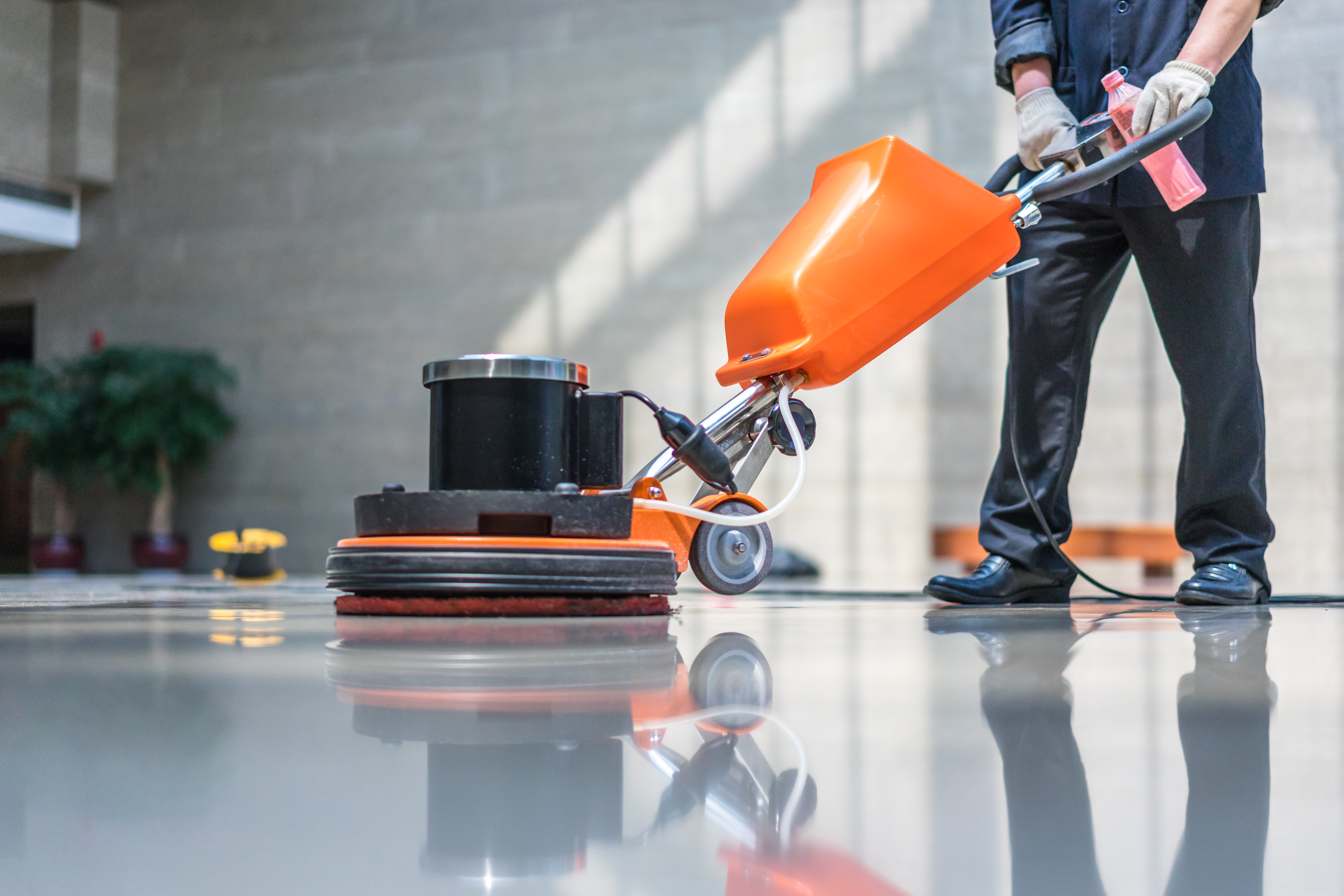











Top-rated buffing and polishing pros.

Get matched with top buffing and polishing pros in Johnsburg, NY

Enter your zip and get matched with up to 5 pros

Need a pro for your buffing and polishing project in Johnsburg, NY?

Select your specific project to find the pro for you.

Find Buffing and polishing pros in Johnsburg

Avatar for GOKEYs Painting & Const
GOKEYs Painting & Const
5.0(
6
)
Clean & Polish Flooring - For Business

Serving Johnsburg, NY and surrounding areas

In business since 1998

Free estimates

"Chris was very motivated and started the job promptly. His work ethic was great, staying late a couple of days late to complete job on time as agreed. He reviewed any issue found and was flexible when extra work was needed. The quality of the work was great in making the breezeway siding look the same as the garage, so with the paint job the house/garage improvement was dramatic. His pricing was reasonably and his clean-up appreciated. We would definitely recommend Chris to others and would engage him for work ourselves."

second story done with painting and before pictures of first level of house
SIMPLE MSI FLOORING INSTALL
Framing Walls & stairs assist
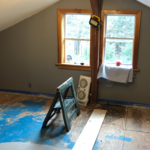
After carpet removal
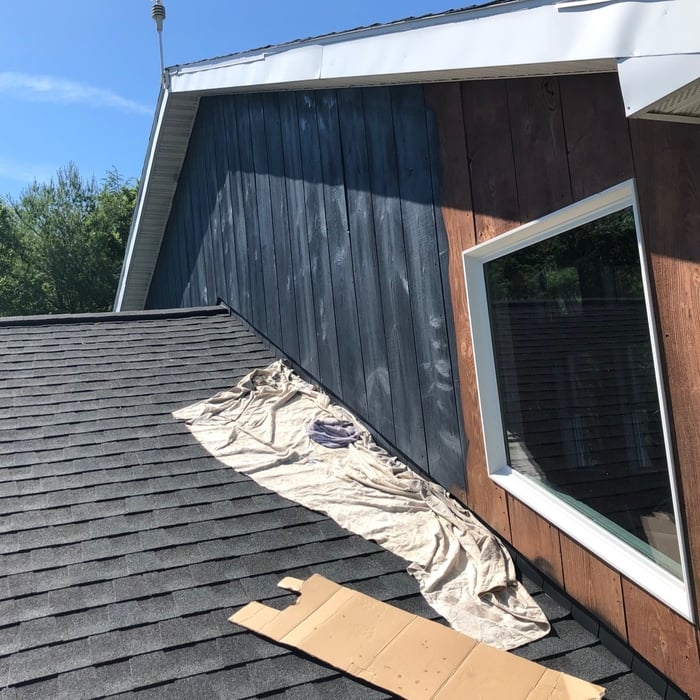
finished roof and painting exterior of house

+53

Recommended by100%of homeowners

Buffing and Polishing questions, answered by experts

Silestone® is a low-maintenance countertop material, but certain things, like strong chemicals and solvents, can cause damage. Abrasive scrubs can cause scratches, and products that contain oil or powder can leave a residue. Finally, avoid letting oven cleaner come into contact with Silestone® because it can cause discoloration.

No, you cannot use vinegar to polish marble. It is too acidic for cleaning or polishing and can etch the surface. Instead, opt for non-acidic cleaners made specifically for marble. Follow the manufacturer’s directions to ensure proper application and to protect the marble. However, a damp mop can be an effective marble cleaner when used appropriately and as long as moisture is immediately soaked up.

Use pH-neutral cleaners specifically designed for stone surfaces to clean granite or marble. Avoid acidic or abrasive cleaners that can damage the sealant or the stone itself. Regular re-sealing helps protect the surface from stains and damage.

The frequency for sealing granite countertops depends on several factors, including the type of sealant used, the color of the granite, and how heavily the countertops are used. As a general guideline, resealing is often recommended every 12 to 18 months, but some sources suggest it could be as often as every few months or at least once a year.

The type of sealant is a major factor: water-based sealants may need reapplication every six months to a year, while more durable solvent-based sealants can last for five to 10 years. Additionally, factors like heavy kitchen traffic, frequent use of acidic cleaners, and lighter granite colors may require more frequent sealing to prevent staining.

To determine if your countertops need resealing, you can perform a simple water test. Place a few drops of water or a wet paper towel on an inconspicuous area of the granite. After 10 to 15 minutes, check the spot. If the water has beaded up, the seal is still intact. If the water has been absorbed and darkened the stone, it's time to apply a new coat of sealant. You can choose to seal the granite yourself or hire a professional to ensure it's done correctly.

Like most stones, limestone should be sealed. Its porous nature makes it prone to staining from spills, and the iron in the stone can cause it to turn yellow when exposed to moisture or harsh chemicals. Proper sealing can help prevent these problems and protect the stone's appearance.

The Johnsburg, NY homeowners’ guide to buffing and polishing services

From average costs to expert advice, get all the answers you need to get your job done.