



Top-rated insulation pros.

Get matched with top insulation pros in Inlet, NY

Enter your zip and get matched with up to 5 pros

Need a pro for your insulation service project in Inlet, NY?

Select your specific project to find the pro for you.
Insulation questions, answered by experts

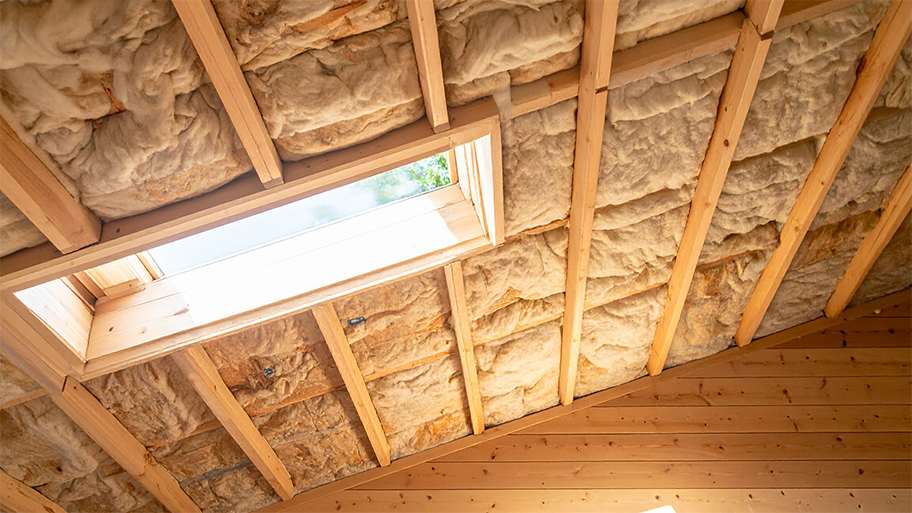
Experts use advanced techniques and tools to assess existing insulation levels and identify gaps. They implement strategic placement of new insulation to ensure complete coverage, optimizing thermal resistance and energy efficiency.

One of the biggest disadvantages of glass garage doors is that they are not the best at insulating your garage. In the summer, heat can enter through the glass, while in the winter, heat can escape through the glass, increasing your electricity and gas bills as you crank up your HVAC unit. You can help mitigate the poorer insulation by investing in insulated glass and insulating your garage.

Hanging a thick blanket over your windows will help to keep the heat inside, but only a little. Covering the glass will also prevent the sunlight from getting in, which might actually decrease the efficiency of your window overall. If you get to the point where you’re hanging blankets over your window to keep warm, call in an expert to seal around your windows to prevent warm air from escaping. They may also recommend replacing old windows that aren’t as insulative as newer window technology. Sealing a window isn’t terribly expensive and can make a big difference.

Buying a house with vermiculite insulation is not recommended without going through a proper testing process. Vermiculite insulation can potentially contain asbestos, which poses health risks when disturbed. While it is possible to purchase a home with vermiculite insulation, you should have it tested for asbestos, and ensure proper containment if asbestos is present. If asbestos is present, you will want to hire a professional to remove it, ideally before you move in.

Yes, insulating your cold water pipes is a great way to prevent condensation. When warm, humid air meets cold pipes, condensation forms, which can drip and cause moisture issues in your home. Pipe insulation acts as a barrier between the warm air and the cold pipes, keeping condensation at bay and helping you avoid potential problems like mold or structural damage.