"Rick advised me via text message what to do to get the system up for a soft restart right away. Then he came to my home, tested my water, and made all the necessary adjustments to make sure the system was working properly. I didnâ t buy the original system from Rick and now I wish I had. I high recommend him!"
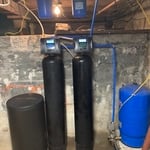
"They installed our water softener promptly and efficiently. They have recommended we upgrade to include carbon filter due how bad our water was. Excellence service would recommend to anyone"
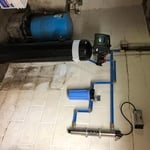
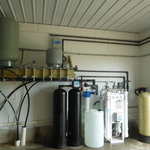
"Arlyn and the Aquanolgoy staff installed a water softener, 30 and 5 micron filters, UV light and RO system to improve the quality of water in my area which is known for high iron and hardness levels. I cannot be happier with the water quality as well as the time and effort spent to achieve quality results. The team is knowledgeable and the level of service is exceptional. Highly recommended"
"Thank you Kevin, Lea, and Ed, for a job well done! I appreciate your friendliness and professionalism, as well as your excellent communication from beginning to end. Iâ m so happy to have our new water softener!"
"Technician's name was Bryan. He responded to my Home Advisor request promptly, we scheduled an appointment, and two days later my water softener unit was fixed and in operation. Bryan explained what he was doing, checked every function of the unit, found the problem and was able to fix it without ordering any parts. I highly recommend Bryan and appreciate his answering my call."
"Me. Kissable was very prompt and gave me the best advice...I didn t need to make any changes to my water system at this time. And no Charge for his consult. Thanks."
"Removed my old water heater and placed a tankless water heater without any concerns. Took approx 8 hours to install, they were very clean and professional."
"Not good. The water leaks had caused black mold that had to be repaired. When repairs were completed 3 months later, the valves still leaked from the stem when turned on. It was past 60 days so I had to pay another $100 service fee to have the water leaks fixed. He tightened the packing and quoted $350 to replace the valves. Sheesh."
A water softener is a worthwhile investment if you live in an area with hard water. While hard water is safe to drink, it contains minerals like calcium and magnesium that can cause significant problems over time. These minerals build up inside pipes, reducing water flow and eventually corroding the plumbing system, which can lead to leaks and a shortened lifespan. Hard water also damages fixtures and appliances, potentially resulting in costly repairs. Additionally, it makes soaps and detergents less effective, meaning you'll use more product to get things clean. By installing a water softener, you can prevent these issues. The initial investment is often recouped through long-term savings, including lower energy bills, reduced appliance and plumbing maintenance, and spending less on soap and cleaning supplies. Other benefits include cleaner linens, dishes, and clothing, as well as softer water that is gentler on your skin and hair. In some areas, a water softener can also increase your home's value, making it a valuable long-term investment.
The primary difference between a water softener and a water filter lies in what they remove from the water. A water softener is designed to remove hard minerals like calcium and magnesium. In contrast, a water filter has a broader effect, removing various contaminants above a certain size, which can include bacteria and other impurities.
To decide which you need, consider your goal. If you want to eliminate hard minerals, choose a softener. If you want to remove a wide range of contaminants, a filter is the better option. Filters are also generally less expensive to install. Depending on your water supply, you may need to install both for comprehensive treatment.
Whether you need a license or permit for water softener installation depends on your location. Some municipalities require the installer to hold a plumbing license, while others may only require a permit and an inspection. In some cases, both a permit and a licensed installer are necessary, and some areas have no requirements at all. Often, only certified plumbers and electricians are allowed to pull the necessary permits. To find out the specific regulations in your area, you can contact your local building department. Alternatively, a local water softener installer or plumber will be familiar with the requirements and can typically pull the permits for you. Regardless of local laws, it is always recommended to hire a licensed professional to ensure the system is sized and installed correctly. You can use tools like Angi’s state licensing tool to verify an installer's license status.
Most of the U.S. has hard water, especially across portions of the West and Midwest. The areas with the hardest water include parts of Texas, Oklahoma, Kansas, Colorado, New Mexico, Utah, Wyoming, Illinois, North and South Dakota, Ohio, and New York. You’ll find soft water in parts of New England, the Southeast, the Pacific Northwest, and Hawaii.
It’s not a good idea to oversize your water softener. Doing so will mean the tank doesn’t get full, which can lead to channeling. This leads to a large portion of the resin beads not being utilized and the beads at the bottom of the tank being overused. Over time, this will reduce the efficiency of your system, not to mention that the upfront cost of an oversized softener is unnecessarily high. If you have a timed regeneration cycle rather than a demand-based one, you’ll also spend far more on replacing salt than you need to.
The Elbridge, NY homeowners’ guide to water softener services
From average costs to expert advice, get all the answers you need to get your job done.
Water softeners work to remove unwanted minerals from hard water through a filtration and recharge cycle. Keep reading to learn how a water softener works.
There are four common softener alternatives available on the market today. We compare and contrast each one to help you find your best-fit solution in this blog.
Water softeners rid your home of hard minerals and, well, soften your water. Even better, the regeneration process is an automatic cycle that works when you’re least likely to use it.
Water softeners remove hard minerals from your tap water, improving plumbing systems and water-using appliances. Here are the most efficient water softeners out there.