





Top-rated radon detection and reduction specialists.

Get matched with top radon detection and reduction specialists in Deposit, NY

Enter your zip and get matched with up to 5 pros

Need a pro for your radon detection and reduction project in Deposit, NY?

Select your specific project to find the pro for you.

Find Radon detection and reduction specialists in Deposit

Avatar for Professional Home Inspection Service, Inc.
Professional Home Inspection Service, Inc.
5.0(
5
)
Radon Gas - AbatementRadon Gas - Testing

Serving Deposit, NY and surrounding areas

Approved

Super Service Award Winner

In business since 2020

Free estimates

Warranties offered

"The most friendly and professional people to work with. Excellent communication, prompt service, and high quality work. They are a generous business, and really know their stuff. Customer satisfaction is their top priority, and this is a very satisfied customer."
Response time1 day
63 neighbors recently requested a quote
Recommended by60%of homeowners
VAST RESTORATION SERVICES LLC.
New to Angi
Radon Gas - AbatementRadon Gas - Testing

Serving Deposit, NY and surrounding areas

I am a hardworking, organized, and efficient professional dedicated to delivering high-quality results in every project I undertake. As the owner of a new lead abatement and demolition business, I bring strong leadership skills and a hands-on approach to ensuring safety, compliance, and customer satisfaction. My attention to detail and commitment to excellence set the foundation for dependable service, timely project completion, and long-term client relationships.

3 neighbors recently requested a quote
Radon Detection and Reduction questions, answered by experts

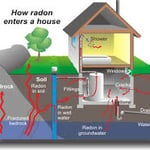
The soil beneath your house is most likely what’s causing an increased level of radon. This is because soil holds radioactivity for a long time and it’s also what most buildings are built on. Another common source of radon is water from a source that hasn’t been through periodic radon tests, such as well water. Over time, the radon from the soil can inhabit other parts of your house like the foundation or plumbing.

The natural breakdown of uranium in soil, rock, and water can cause radon to appear in a home. The gas seeps into homes through cracks in foundations, walls, or floors, as well as through gaps around pipes or construction joints. Radon levels are influenced by soil composition, building materials, and ventilation. Poorly sealed or airtight homes can trap radon, allowing it to accumulate.

Long-term exposure increases lung cancer risks. Prolonged homestay individuals and smokers encounter heightened vulnerability and exposure concerns.

The lifespan of a radon mitigation system depends on the type of system and its maintenance. With proper care, a system can last for many decades. Passive systems tend to last longer as they have fewer components that require replacement. Active systems, which have more moving parts like fans, generally have a shorter lifespan. For instance, water filtration devices and active pressurization systems require more frequent maintenance. While the system as a whole is durable, the radon fan in an active system typically has a lifespan of 5 to 10 years and will need to be replaced. As long as the fan is working, the mitigation system should function correctly.

The average radon mitigation system uses about 876 kWh of electricity per year, although the exact amount of electricity used will vary depending on the size of the radon fan. Once the system is installed, the annual increase to your energy bill could range from $30 to $300 per year, again depending on the size of the fan.

The Deposit, NY homeowners’ guide to radon detection and reduction services

From average costs to expert advice, get all the answers you need to get your job done.