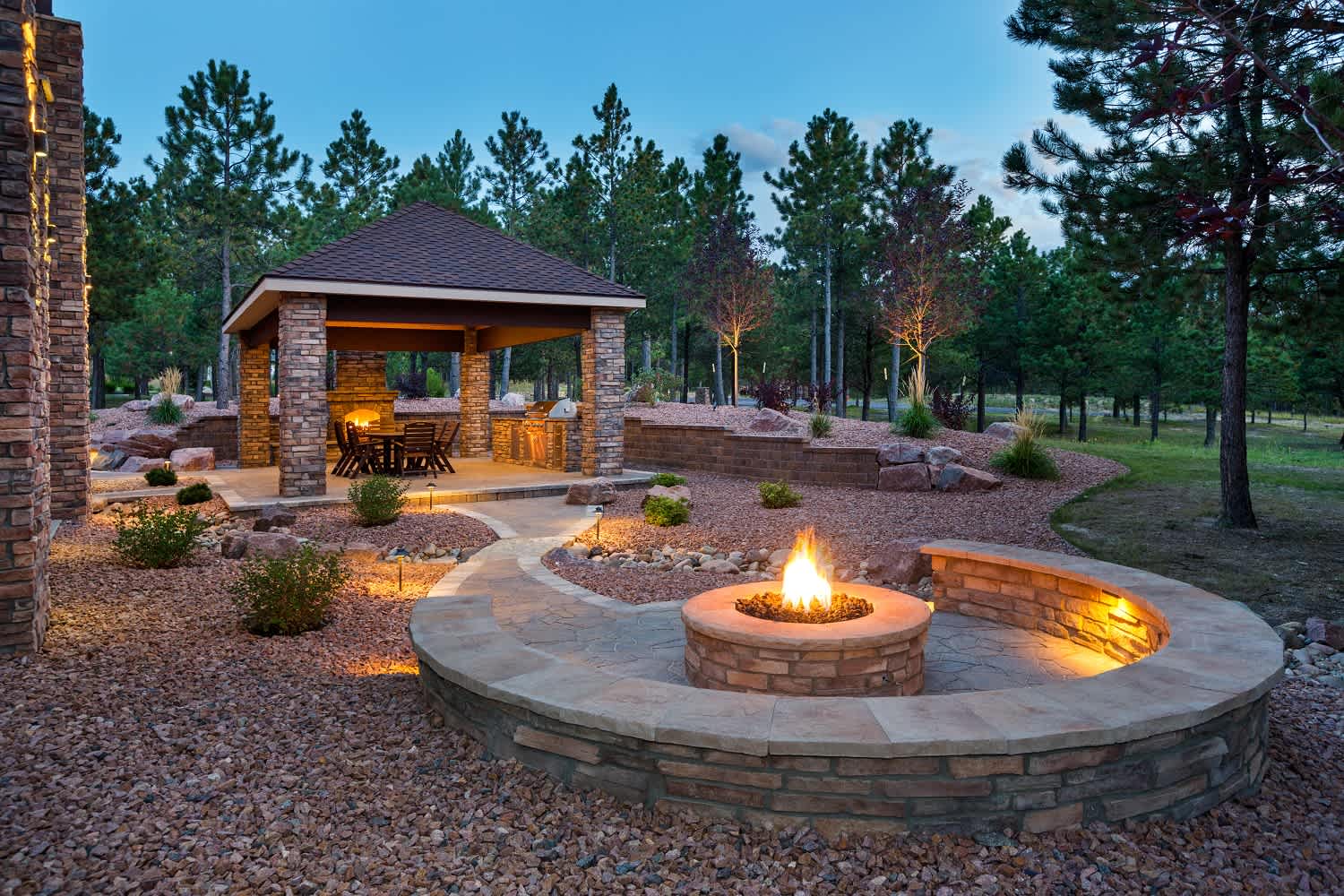






Top-rated fire pit installation pros.

Get matched with top fire pit installation pros in Copake Falls, NY

Enter your zip and get matched with up to 5 pros

Need a pro for your fire pit installation project in Copake Falls, NY?

Select your specific project to find the pro for you.

Find Fire pit installation pros in Copake Falls

No results for Fire pit installation pro in

Try adjusting your search criteria.
Fire Pit Installation questions, answered by experts

In addition to flashing, a roof cricket can help divert water around your chimney so that it drains properly off your roof. It’s shaped like a double triangle and is installed behind the chimney so that falling water spills evenly down each side. This helps prevent water from accumulating behind your chimney, which can increase water damage and the risk of leaks. 

The International Building Code (IBC) requires cricket installation if a chimney built after 2012 measures over 30 inches in width. Chimneys constructed before that date are typically grandfathered in and aren’t required to have crickets installed.

Yes, it is generally safe to have a fire pit on a deck, but you must adhere to building codes and take several safety precautions. For both built-in and freestanding models, you must use a heat-resistant barrier, such as a fire pit pad or heat shield, between the pit and the deck. Additionally, consider the weight of the fire pit and ensure your deck can structurally support it, reinforcing it if necessary. The fire pit must also be positioned a safe distance from your house, particularly from materials like vinyl siding, to prevent heat damage.

You should have either an ABC or K-rated fire extinguisher in the kitchen. ABC fire extinguishers put out wood, trash, paper, plastic, and textile fires along with grease, oil, gas, kerosene, and electrical fires. A class K fire extinguisher is specifically rated for use in the kitchen and is designed to extinguish combustible cooking materials, including grease and fat. 

A smoke alarm that beeps periodically, often every 30 to 60 seconds, usually indicates a low battery. The first step is to replace the battery. If this doesn't solve the problem, try resetting the alarm. However, beeping can also signal other issues, such as dust buildup in the sensors or the unit reaching the end of its life. Different beep patterns can mean different things; for example, multiple beeps might indicate an issue with a combination carbon monoxide detector, while a continuous, loud alarm means smoke has been detected. If a new battery doesn't stop the beeping, it's best to consult your alarm's manual, call a professional, or replace the unit.

Regular HVAC filter changes, deep cleaning, and air quality monitoring help maintain a healthy environment.

The Copake Falls, NY homeowners’ guide to fire pit installation services

From average costs to expert advice, get all the answers you need to get your job done.