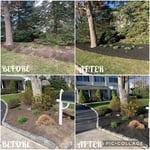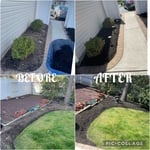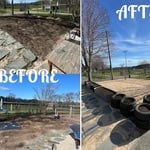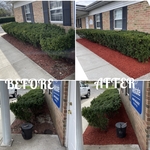


Top-rated weed maintenance pros.

Get matched with top weed maintenance pros in Central Islip, NY

Enter your zip and get matched with up to 5 pros

Need a pro for your weed maintenance project in Central Islip, NY?

Select your specific project to find the pro for you.

TRUSTED BY CENTRAL ISLIP, NY HOMEOWNERS

  • Average homeowner rating star icon4.5
    Average homeowner rating
  • Verified reviews icon256
    Verified weed maintenance services reviews

Find Weed maintenance pros in Central Islip

No results for Weed maintenance pro in

Try adjusting your search criteria.
Weed Services questions, answered by experts

The best way to keep voles from tunneling in your yard is to keep grass trimmed and bushes cut back from the ground at least 5 inches. Cleaning up yard debris, wood chip piles, and brush piles can also help keep voles at bay. If you notice vole activity, you can also remove bird feeders since these are a ready source of food for the tunneling rodents.

Glyphosate and other non-selective herbicides can kill orchard grass, but they will also kill the surrounding plants. Also, not all areas allow the use of glyphosate due to its environmental impact—which the EPA describes as a "potential risk to terrestrial and aquatic plants and birds, and low toxicity to honeybees." Consider mechanical removal to target the plants specifically.

Vinegar is known to be a contact herbicide, which means it kills the foliage it comes in contact with. Because of the high acetic acid concentration, horticultural vinegar kills weeds and grass more effectively. However, keep in mind that high amounts and multiple applications can affect the soil by lowering the pH levels.

Johnsongrass and crabgrass are invasive weeds that can overtake your lawn. Crabgrass is a low-growing grass most often seen in lawns, flower beds, and vegetable gardens. While you may find Johnsongrass growing in your lawn, it will also grow in pastures, crop fields, and the edge of the road. Johnsongrass is much coarser than crabgrass. If left alone, Johnsongrass can grow up to 8 feet tall. 

Poison oak is similar to poison ivy in that it's in the same family of plants. Poison oak is identifiable by its rounded-off leaves and hairy leaf texture. Tree-climbing varieties live primarily in western states while low-growing poison oak bushes occupy the eastern states. Treat poison oak like poison ivy to get rid of it permanently.

The Central Islip, NY homeowners’ guide to weed maintenance services

From average costs to expert advice, get all the answers you need to get your job done.