Top-rated drywall pros.

Best drywall pros near Altona, NY

Enter your zip and get matched with up to 5 pros

Need a pro for your drywall service project in Altona, NY?

Select your specific project to find the pro for you.

Top-Rated Drywall pros in Altona - Updated Nov 2026

Avatar for H & L Construction
H & L Construction
5.0(
4
)
Drywall - InstallDrywall - Repair

Serving Altona, NY and surrounding areas

Approved

In business since 2025

Free estimates

Warranties offered

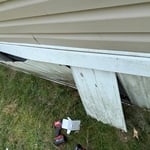
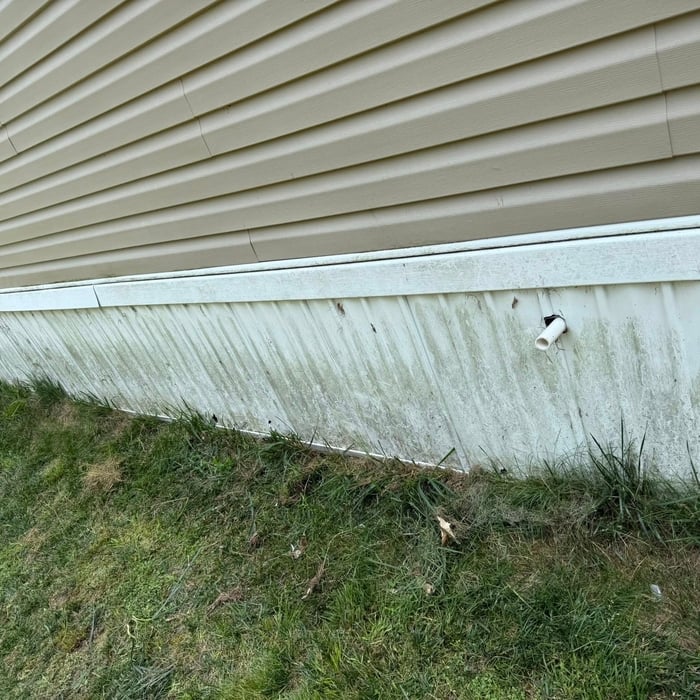
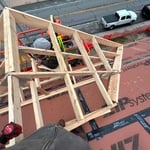
"H&L construction came to our house and installed new vinyl flooring, removed old windows and changed the framing to install new windows in a very timely manor. I was very pleased with their work and professional manor I would recommend them for any type of construction work."
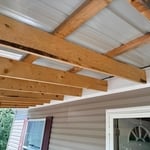
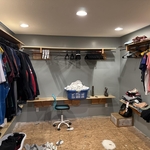
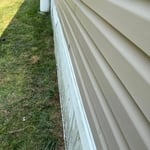
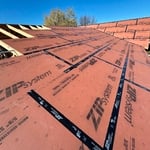
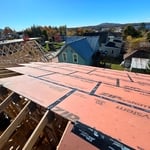
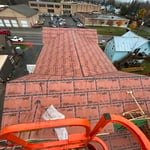
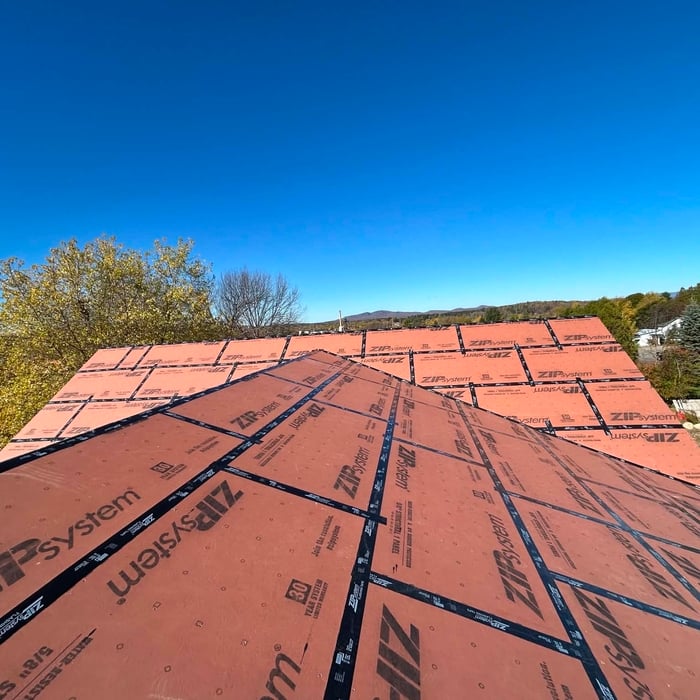
 framing and sheathing
 framing and sheathing
 framing and sheathing
 framing and sheathing
 framing and sheathing

+128

4 neighbors recently requested a quote
Avatar for Random Works NW
Random Works NW
New to Angi
Drywall - Repair

Serving Altona, NY and surrounding areas

Approved

In business since 2022

Free estimates

Small jobs welcome

We take great pride in our experience, expertise, quality, and customer service that we provide to meet the consumer's needs. It is our mission to provide excellent workmanship and complete customer satisfaction from start to completion of a project. In order to understand the needs and expectations of our customers, we take great care to work and communicate with every customer in a professional manner. Our reputation is based on service, safety, and quality, regardless of how large or small the job.\n\n

1 neighbors recently requested a quote
...
Showing 1-10 of 56
Drywall FAQs, answered by experts

While fumigation chemicals cannot pass through solid objects, they will seep into any openings in walls, doors, or other closed spaces. This allows them to get into tight places where pests may be hiding and causing damage, like termites ruining the foundation of your home. It also means that your home needs to ventilate for 48 hours before returning to ensure that no harmful chemicals remain in your space. 

Plaster itself has a higher R-value than drywall. However, there are other considerations surrounding plaster and insulation. As a general rule, it's easier to obtain consistency in insulating value and quality when working with drywall rather than plaster. Plaster walls often don't contain any insulation behind the wall covering by design, and careful evaluation is necessary when choosing to add it.

Both plaster and drywall are durable wall finishes, but they differ significantly in installation, cost, performance, and aesthetics.

Installation & Cost: Drywall installation is faster and more affordable, typically costing $1.50 to $3 per square foot. It uses premade sheets, making it a more accessible DIY project. Plastering is a labor-intensive craft that requires specialized skills, pushing costs to $2 to $10 per square foot. It involves applying a wet paste over a lath framework.

Durability & Performance: Plaster is generally more durable, longer-lasting, and provides superior soundproofing. It is also a better insulator, which can help reduce energy costs. Drywall is easier to remove for future renovations.

Aesthetics: Drywall provides a smooth, uniform surface ready for paint or texture. Plaster offers a high-end, naturally textured look that can hide imperfections and is often preferred for achieving a classic or historic aesthetic.

Which is better? The choice depends on your priorities. Drywall is ideal for those prioritizing a lower upfront cost, faster installation, and DIY potential. Plaster is the better option for a higher-end project where durability, soundproofing, and a unique, premium finish are more important than the initial cost.


It’s always better to follow proven drywall repair tips and fix the seams that look bad. However, if you simply want to make them less noticeable until you have time to fix them, you can use paint. A darker color of paint makes bad drywall tape seams less noticeable than light-colored paint. Matte paint hides bad seams better than glossy paint does, too.
Plaster ceilings can sag for several reasons. In some cases, the plaster and other building materials shift and come apart over time, which is why you’ll commonly find drooping plaster ceilings in older homes. Improper installation, foot traffic, and water damage—often from a leaky roof or a broken pipe—can also cause plaster ceilings to sag.

The Altona, NY homeowners’ guide to drywall services

From average costs to expert advice, get all the answers you need to get your job done.