



"I own a small construction company and We have partnered w Trent and his team on multiple projects from simple drywall repairs to whole remodels and they were very professional and exceeded my expectation?s expectations in all areas"
"Great turn around time finishing the drywall (hang / tape / mud) for my basement renovation. Dave and his son did an excellent job with all of the work and were inline with the cost for other contractors in the area. I would definitely hire them again if I had more work."
With over 10 years of experience, we pride our company on reliability, great communication, integrity, and quality work. We are experts in our trade and will do our best to keep you as educated as we can on your particular task or project. We look forward to earning your business!
Finish carpenter serving Chittenden County VT and beyond. Some of my specialties include but are not limited to; interior trim, cabinet installs, tile, flooring, accent walls, built ins, windows, doors, siding and exterior trim. With 10+ years experience in finish carpentry there are no jobs too large or small. We pride ourselves on quality craftsmanship, honest timelines and pricing and an end result that you will be proud of for years to come!
We work extremely hard for the owner and always have the owner's best interest at heart. Our long term vision is for us to become a go to general contractor with capabilities to do multiple types of projects.
North Country Concept, LLC is committed to excellence in every aspect of our business. Give us a call at 518-578-6857. We uphold a standard of integrity bound by fairness, honesty, and personal responsibility. Our distinction is the quality of service we bring to our customers. Accurate knowledge of our trade and experience combined with value in our work is what makes us true professionals. Above all, we are watchful of our customers' interests, and make their satisfaction the basis of our business.
We take great pride in our experience, expertise, quality, and customer service that we provide to meet the consumer's needs. It is our mission to provide excellent workmanship and complete customer satisfaction from start to completion of a project. In order to understand the needs and expectations of our customers, we take great care to work and communicate with every customer in a professional manner. Our reputation is based on service, safety, and quality, regardless of how large or small the job.\n\n
"The project went very well considering the scope. Selecting the granite slab was enjoyable. Sal addressed a drywall issue when removing one of the bathroom counter tops. Dos: Get an upfront estimate of all work before committing. This includes extra granite, backsplash, etc. I recommend having a plumber unhook all plumbing and a carpenter repair and level the cabinets prior to installation. The better the preparation, the better the job. "
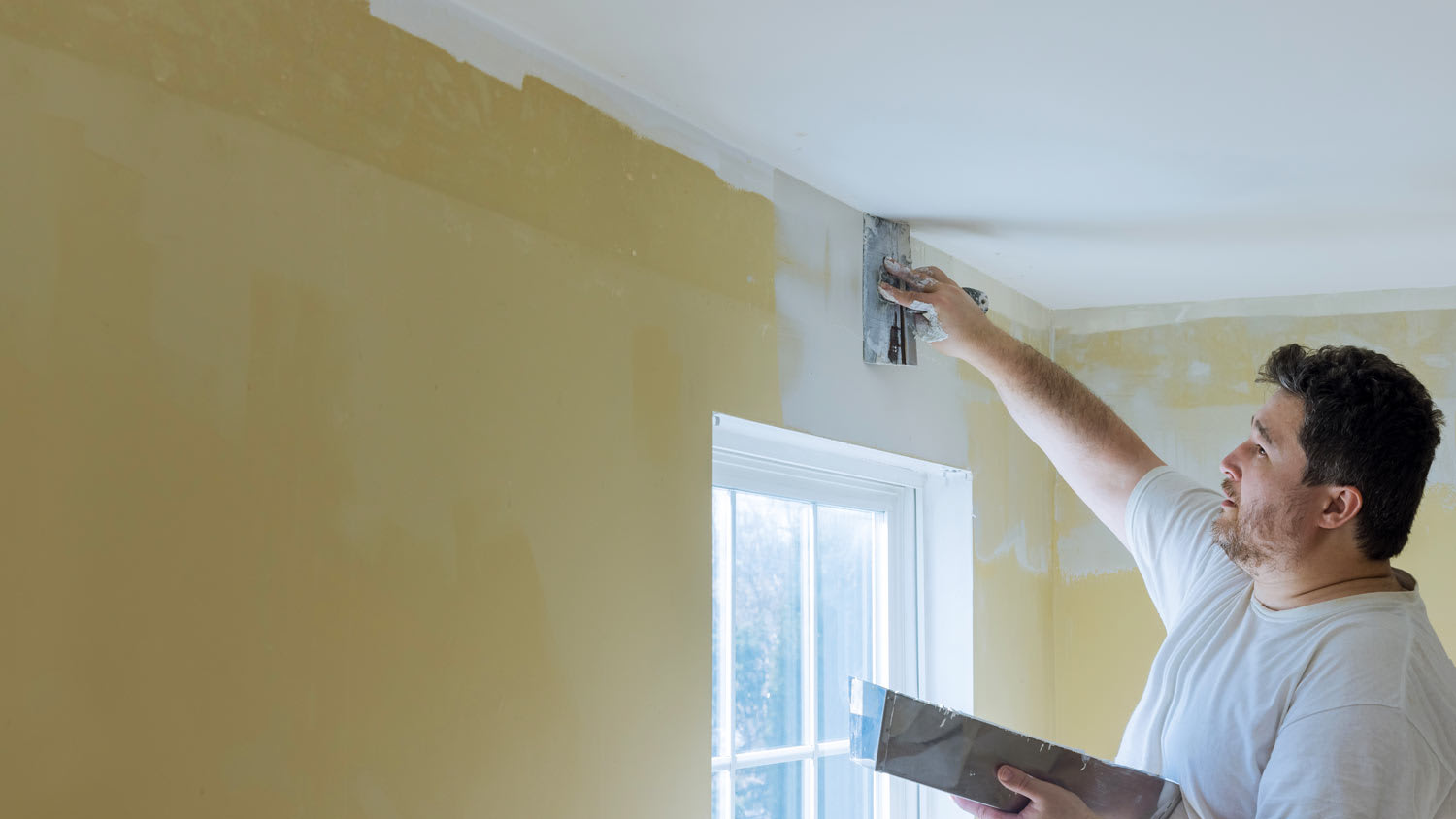
Although they have similar applications, spackle and joint compound are not the same. Their primary differences lie in their composition, consistency, and ideal use cases.
Spackle is composed of gypsum and binding agents, making it thicker than joint compound. It dries quickly and is easy to sand, which makes it ideal for small wall repair projects like filling nail holes or patching minor damage.
Joint compound, also known as drywall mud, consists of limestone and gypsum. It is primarily used for large-scale projects, such as taping and finishing the seams on newly installed drywall. It tends to shrink more than spackle and can be more difficult to spread.
While both products can be used to fill small depressions and cracks, spackle cannot replace joint compound for taping and mudding new drywall. Conversely, you can often use joint compound for small patching jobs typically done with spackle.
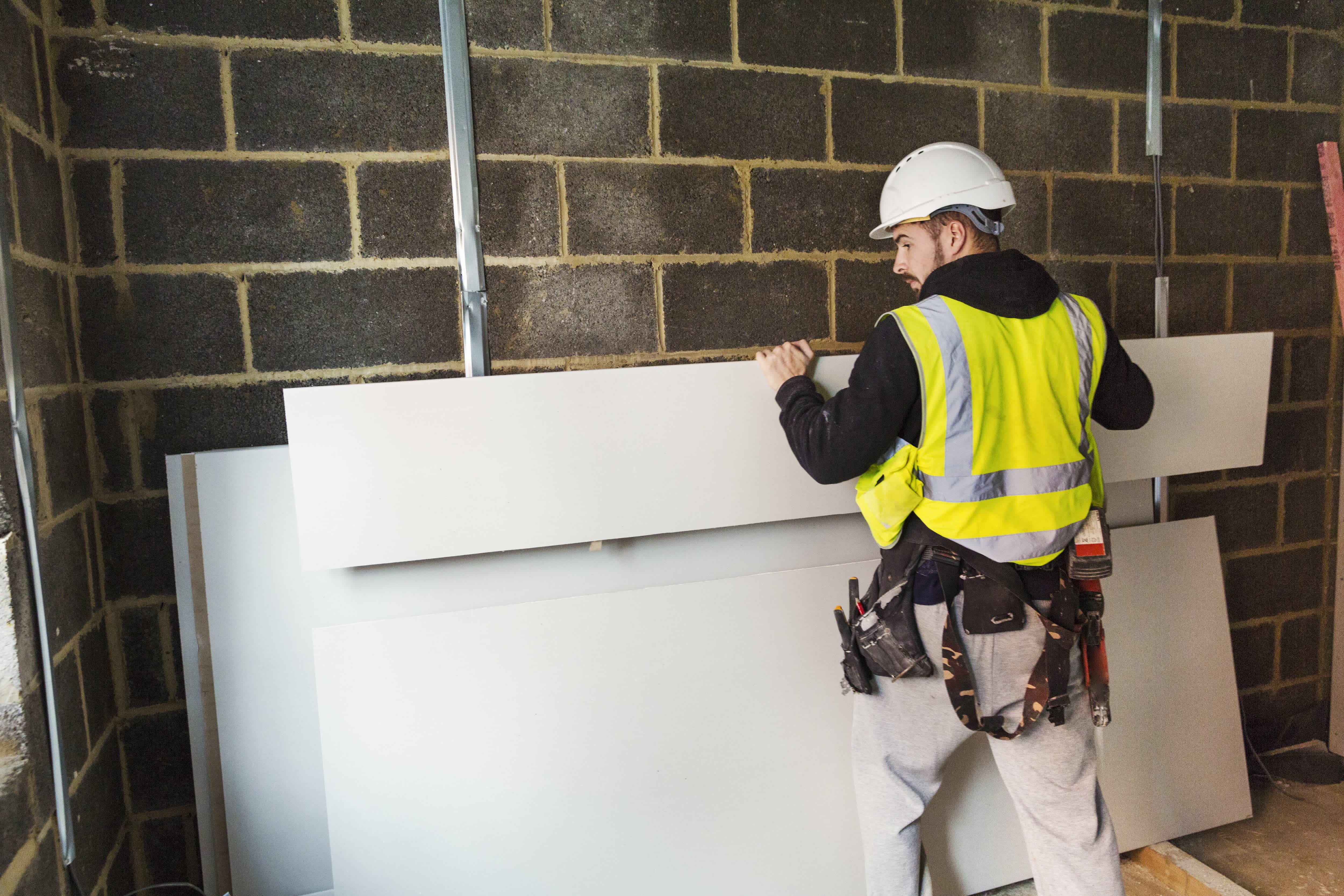
It doesn’t matter which way you lay drywall, and you can choose to install it horizontally or vertically depending on the size of the wall and how tall the ceiling is. It’s easier to lay drywall sheets vertically if you have a taller ceiling, but laying sheets horizontally makes it easier to apply joint compound.
The best tool for cutting a hole in drywall is a drywall saw. Its serrated blade and ergonomic design make it efficient for both straight cuts and more intricate shapes, ensuring clean and precise results in various drywall cutting applications.
Costs depend on labor, material quality, wall preparation, and finishing requirements.
With its breathability and flexibility, lime plaster is among the most durable of all plaster types. It's also fire-resistant and has a proven track record, as people have been using it for thousands of years.
However, all plaster types will last for many years with the right care and treatment. Proper preparation and installation will also help ensure your plaster walls look great for as long as possible.
The Mooers, NY homeowners’ guide to drywall services
From average costs to expert advice, get all the answers you need to get your job done.
Installing drywall is the most common way to finish your home’s interior. Use this drywall installation cost guide to see what your project is likely to cost.
Whether you want to spruce up a few dents and dings or fix a large surface area, investing in drywall repair costs can return your walls to a smooth, flush look.
Can you put drywall over drywall to cover old, damaged or cracked plaster walls? Read our guide to determine if this is the right solution for your walls.
The terms drywall and Sheetrock are often used interchangeably, but one is a brand and one is a specific product. Find out which one you need in this guide.