


Top-rated asbestos removal specialists.

Get matched with top asbestos removal specialists in Smith, NV

Enter your zip and get matched with up to 5 pros

Need a pro for your asbestos abatement project in Smith, NV?

Select your specific project to find the pro for you.
Asbestos Removal questions, answered by experts

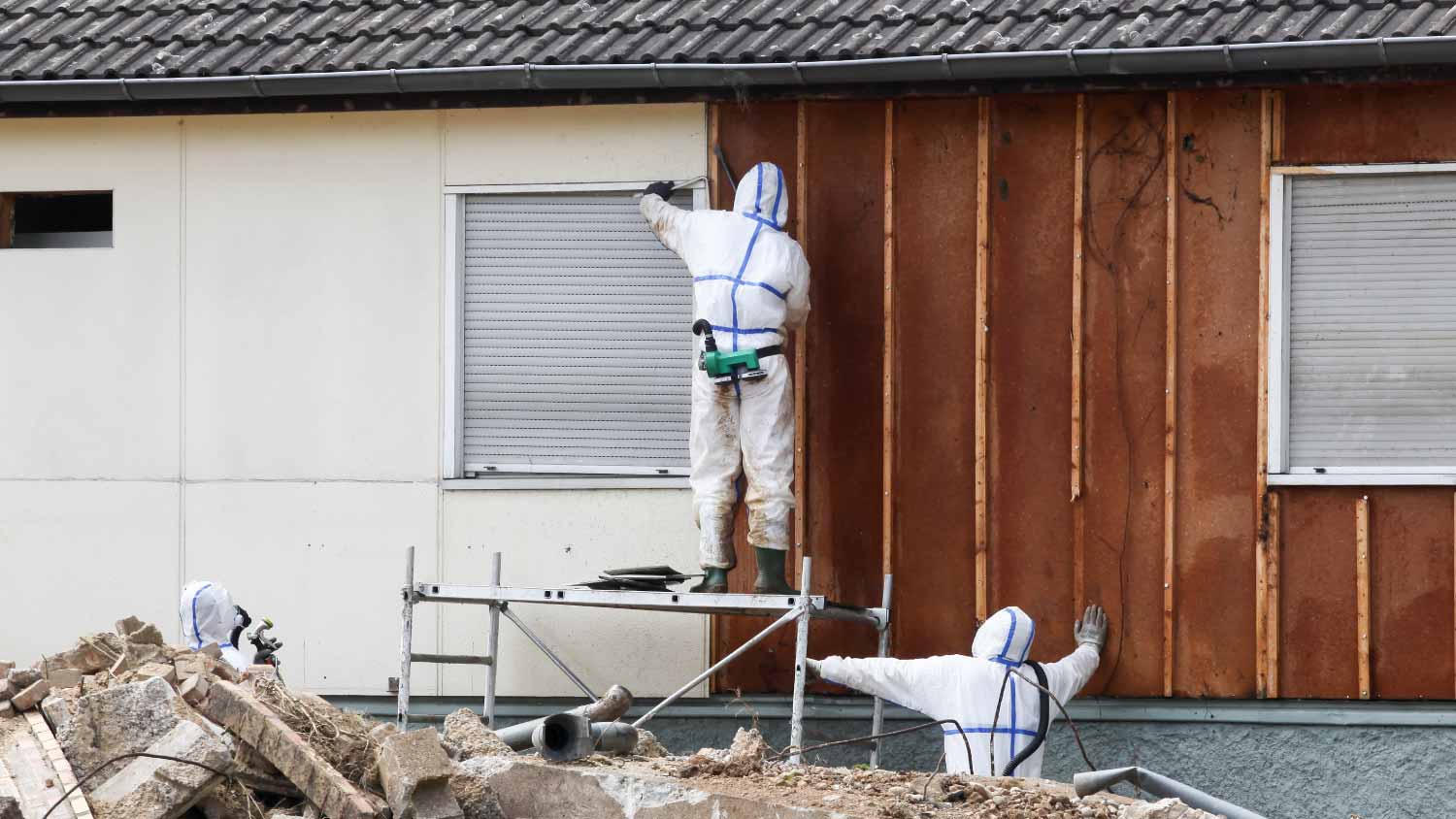
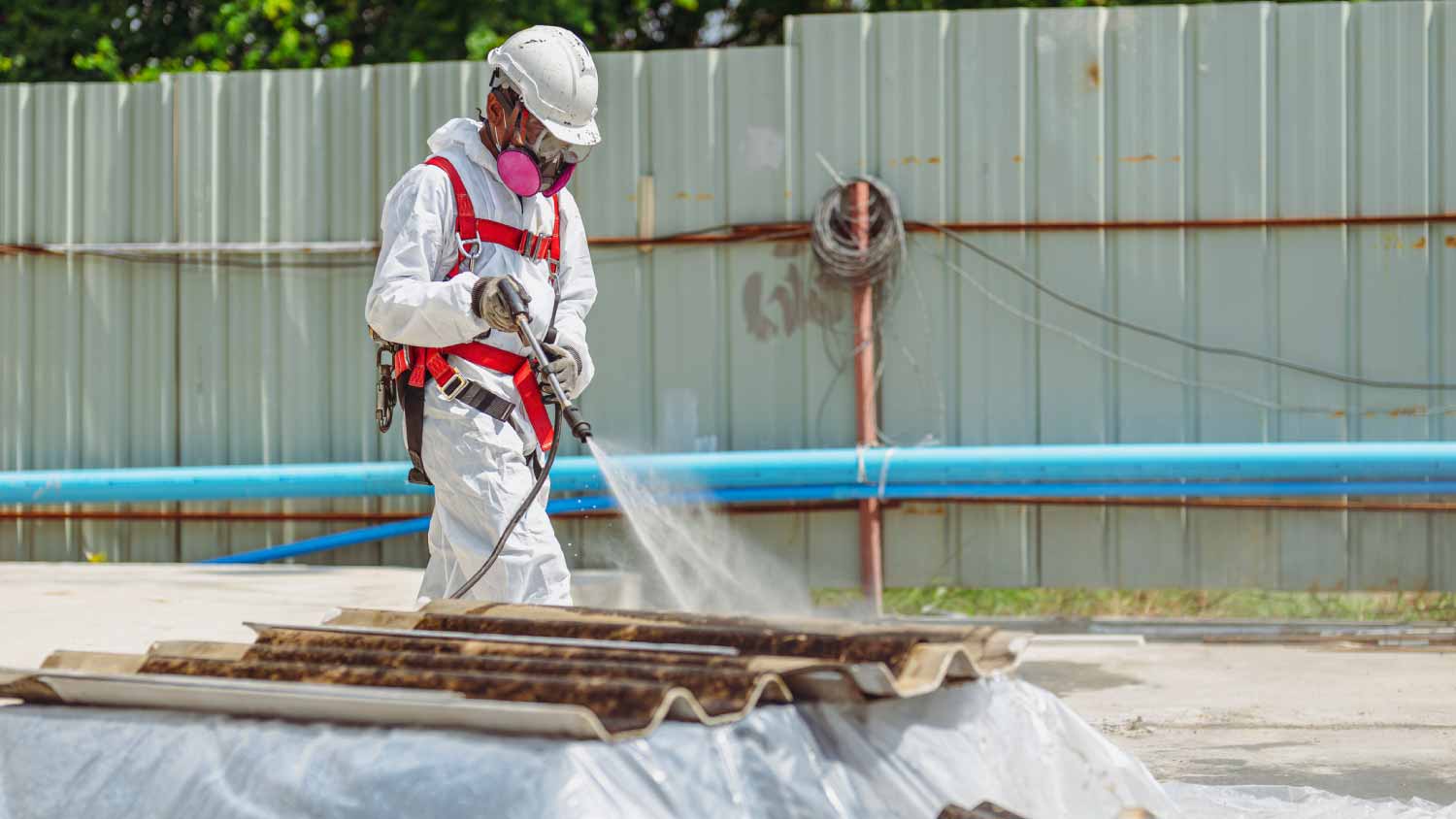
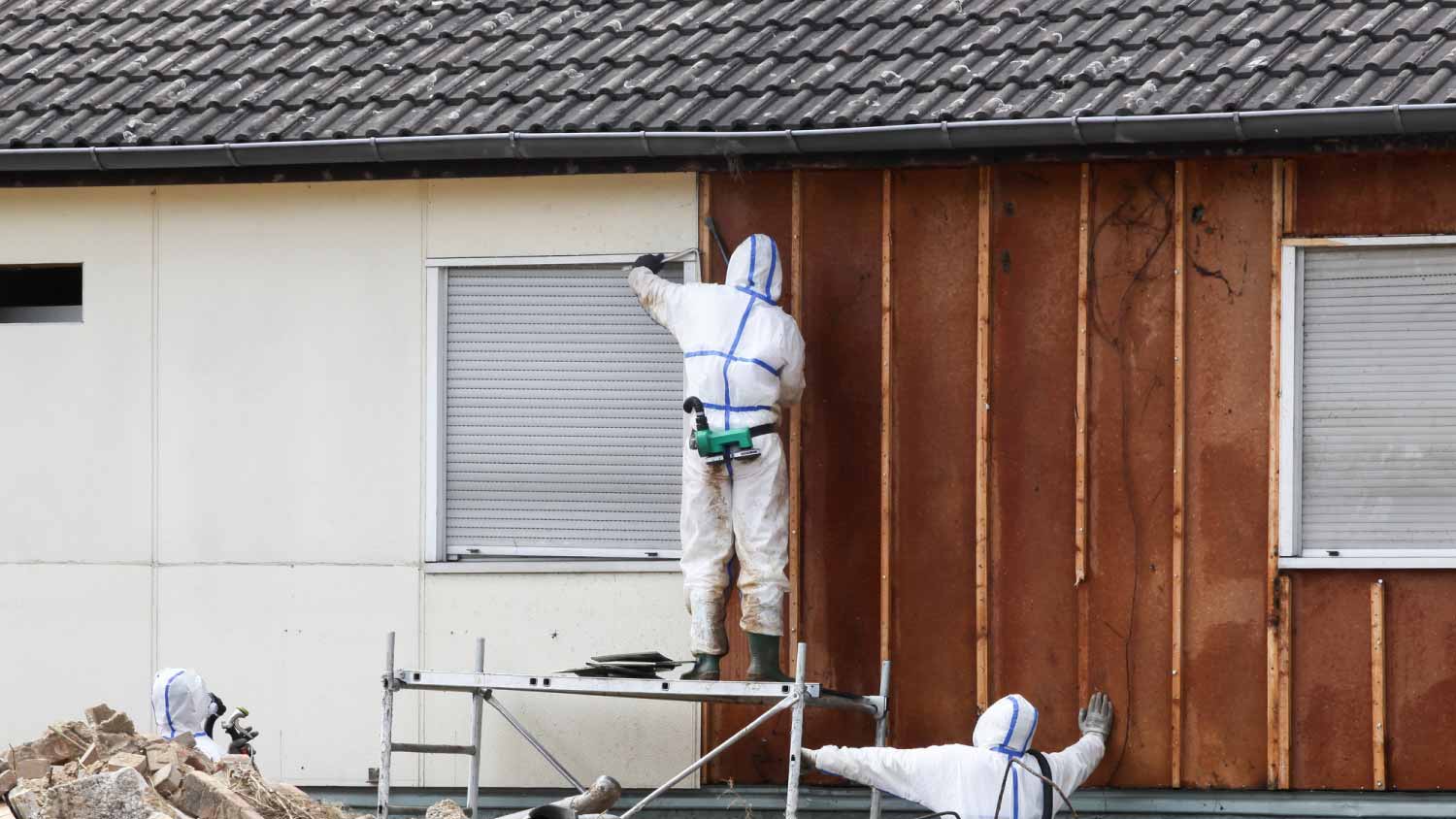
Typical methods for asbestos removal include encapsulation, enclosure, and complete removal.

If you suspect exposure to asbestos, prioritize seeking medical advice by informing your healthcare provider about the potential exposure with clear details about the circumstances that led to the exposure. Regular health check-ups and screenings if you work in high-risk industries or live in a home with asbestos are essential for early detection of any asbestos-related conditions. You should also consider consulting occupational health experts or legal professionals for guidance on potential next steps and preventive measures.

You are not really supposed to seal asbestos with paint, but in theory it could work—the caveat being that this is extremely dangerous and should be avoided at all costs. The only real way to seal asbestos is with the professional application of an encapsulating material like epoxy. Due to the negative effect asbestos can have on your home, however, it is usually the best course of action to accept a costly fix and remove the material entirely.

According to the Environmental Protection Agency (EPA), hazardous waste is generally classified into four main categories:

1. Characteristic Wastes: These exhibit at least one of four hazardous traits: ignitability (flammable, like gasoline), corrosivity (can rust or decompose materials, like car batteries), reactivity (unstable and can explode, like aerosol cans), or toxicity (harmful when ingested, like lead-based paint).

2. Listed Wastes: These are specific wastes from manufacturing and industrial processes that the EPA has officially designated as hazardous. They include byproducts from processes that use solvents, pesticides, and other chemicals.

3. Universal Wastes: These are commonly generated hazardous items that are subject to streamlined regulations. Examples include batteries, pesticides, mercury-containing equipment (e.g., bulbs), and some lamps.

4. Mixed Wastes: This category includes waste that contains both hazardous and radioactive components, making it subject to regulation by both the EPA and the Nuclear Regulatory Commission.

Epoxying over asbestos tiles is generally considered a safe option when done correctly. Epoxy acts as a sealant, encapsulating the asbestos tiles and preventing the release of asbestos fibers into the air. The key is ensuring that the asbestos tiles are in good condition, firmly adhered to the substrate, and not damaged or deteriorating. This method is only appropriate for tiles that are undamaged and securely in place. If the asbestos tiles are already loose, damaged, or deteriorating, encapsulating them with epoxy may not be a sufficient solution, as it might not address the potential for ongoing asbestos exposure.

The Smith, NV homeowners’ guide to asbestos removal services

From average costs to expert advice, get all the answers you need to get your job done.