"I never contacted the provider or used this service in anyway. I have to write this review so that the request to write this review stops popping up. The rating is bogus as it is required to be able to submit. "
"They did a good job. She had to submit like a photo but my daughter had them work on the central are of the loft. The deal was for one room. She got a lot of good ideal from her and it was worth it for her. They were professional and I did not hear anything negative."
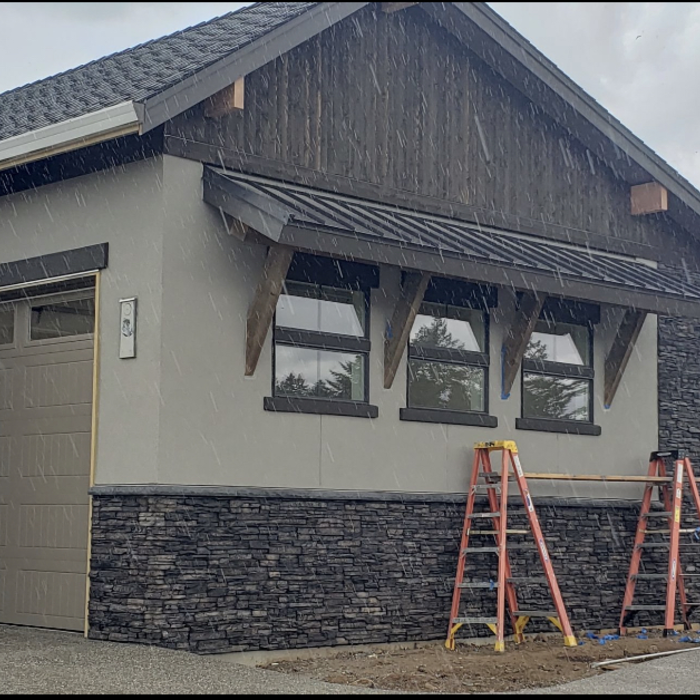
"If you need any Stucco work done, this is the company to do the job. Sergio was professional and a pleasure to work with throughout the experience from initial estimate through the completion of the job. This was a difficult job, and the result was incredible, and the cost more than fair. Sergio is one of the most ethical contractors I have ever had the pleasure to work with."
"Jim was great!! My husband passed away a few months ago who could repair anything!!! I’m relieved that I have Jim Short to call for house projects. I will be calling Jim again."
"I only use James when I need some work done to my house. He responds fast, gets the work done quicker than just about anyone else I've ever used and seems very concerned with leaving his customers happy."
Unfinished Carpentry questions, answered by experts
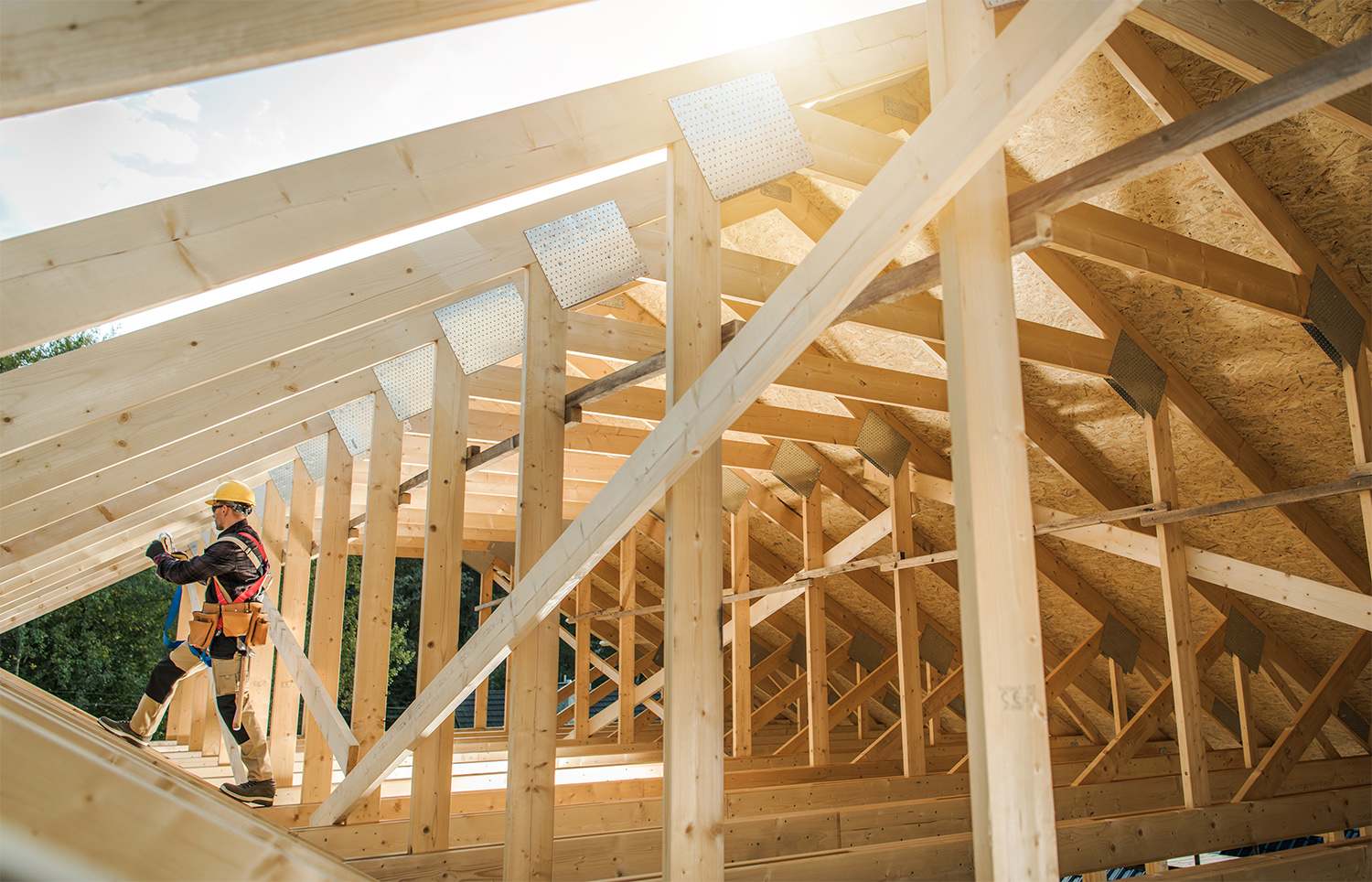
Framing most homes takes anywhere between five and eight weeks to complete. You’ll need to account for inclement weather conditions, material shipment times, the number of crew members, and the weight of your materials. If the weather is too hot, wet, or cold for the installation, this process could take closer to eight weeks.
There are a variety of second-story deck privacy ideas depending on your budget and aesthetic. For starters, you might consider fencing or tall privacy railing that masks a good portion of the open deck. A pergola or an awning can provide additional cover and shade. Outdoor curtains are an easy way to add or remove privacy at your convenience, plus they’re a wallet-friendly way to decorate your deck.
An A-frame home can be cheaper to build than a traditional house, but that is not always a given. Prices can be fairly similar in some cases, depending on the location, design, and necessary site preparation. Costs for an A-frame typically run between $100 to $200 per square foot, which is comparable to the cost of a traditional home. The cost of an A-frame can come in under those numbers if you opt for a prefabricated kit.
It’s sometimes safe to replace a load-bearing wall with a beam, but you need a structural engineer to sign off on the project. You’ll also likely have to upgrade to a steel I-beam or another material that’s stronger than wood to maintain the level of support you need without the wall underneath.
While framing a basement is not as difficult as finishing a basement, it's something you should typically leave to the pros. That’s because if something is installed correctly, it will affect your entire basement. However, you can take care of some of the smaller tasks, like filling holes or putting up some insulation.
The Lovelock, NV homeowners’ guide to contractor services
From average costs to expert advice, get all the answers you need to get your job done.
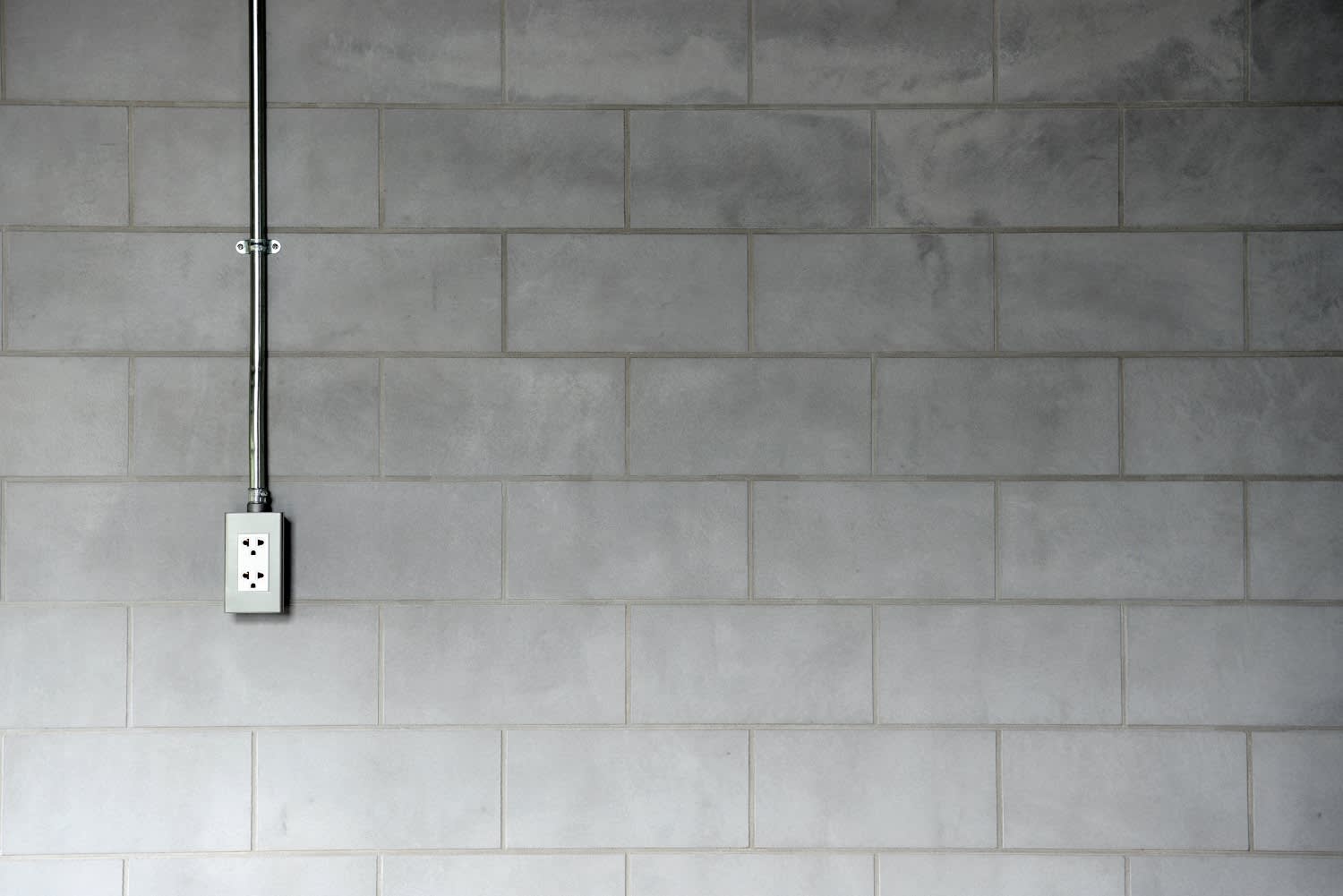
Need to run electricity to your basement? Learn about the cost to install an outlet in an unfinished basement and what factors affect your project cost.
When you’re tackling a project or hiring a contractor, it’s helpful to know key carpentry terms. From end grain to dovetail joints, here’s a complete list.
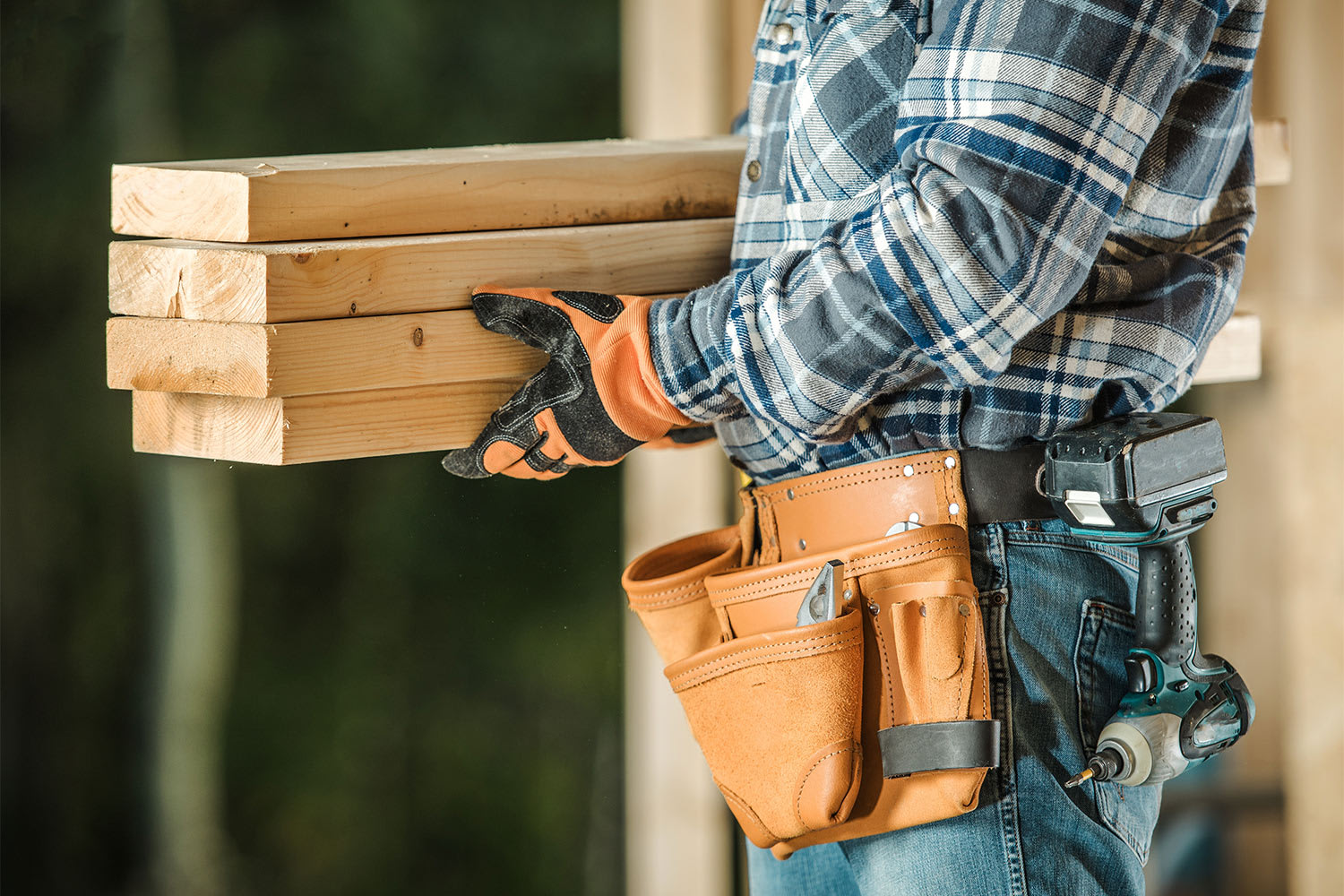
House framing is one of the first parts of building a home. To do this, you’ll want to hire a rough or unfinished carpenter. Using this guide, you’ll know what questions to ask and where to look for your house framing contractor.