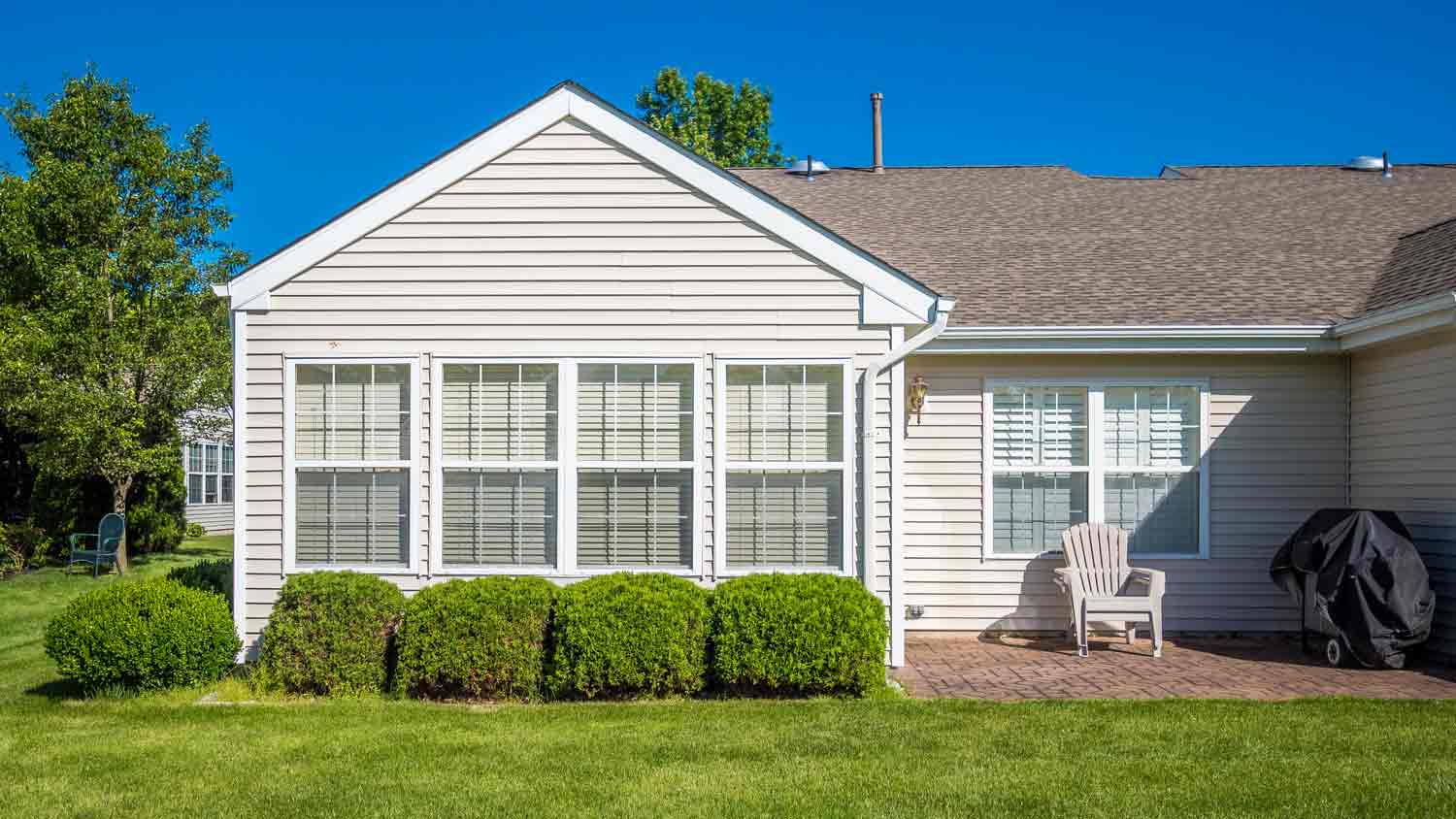
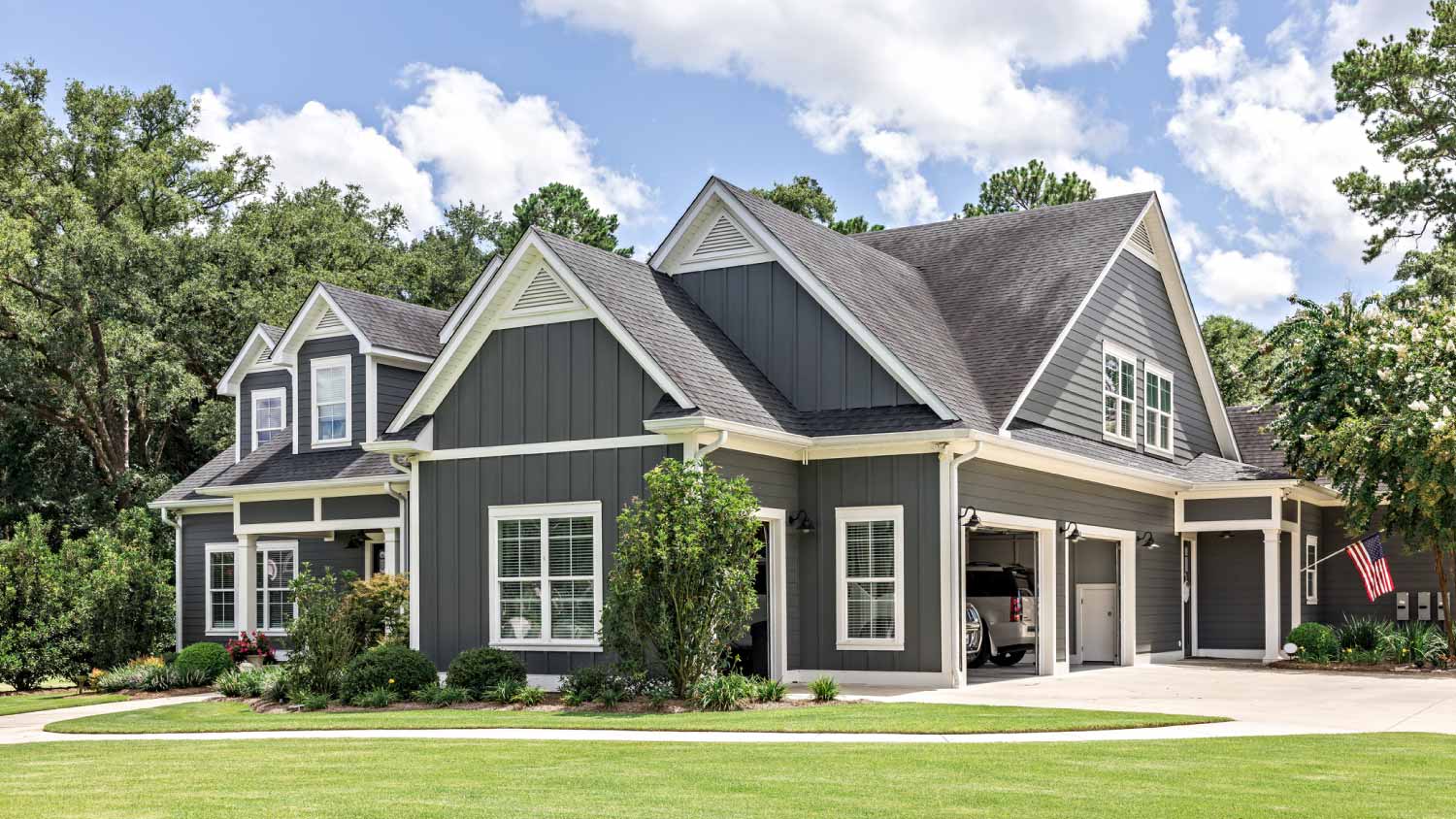
"Eric did a great job while giving me my quote. He was very knowledgeable and found some issues with my siding that I hadnt noticed yet. He showed me the product that DaBella was offering and the differences in other siding materials. He worked very hard to make the siding replacement quote affordable and fit all of our needs. I cannot wait to get the new siding."
Were a family owned and operated company that values honesty and integrity, and stands behind our work. We offer over 40 years of industry experience. We specialize in Asphalt Shingle Roofing installation, replacement, and repairs. Our services are customized to the individual project, paying close attention to the details of each project that we're involved with. We look forward to building long-term relationships with our clients and guarantee your satisfaction!
"I was very impressed with Sentri Homes - their customer service was excellent. They sent a subcontractor to install some vinyl laminate in my bathroom and he ended up getting glue all over the carpet in our bedroom. The sub ended up ghosting both me and Sentri, leaving me stuck with a ruined carpet. Sentri stuck with me for over a month to get the carpet replaced with the identical original and to get the vinyl job 100% completed. The carpet was a Home Depot exclusive and Sentri handled everything with them. I will be using Sentri for a much bigger renovation I have coming up soon, because I know that they will make sure everything gets done right no matter what problems come up. The vinyl looks great too."
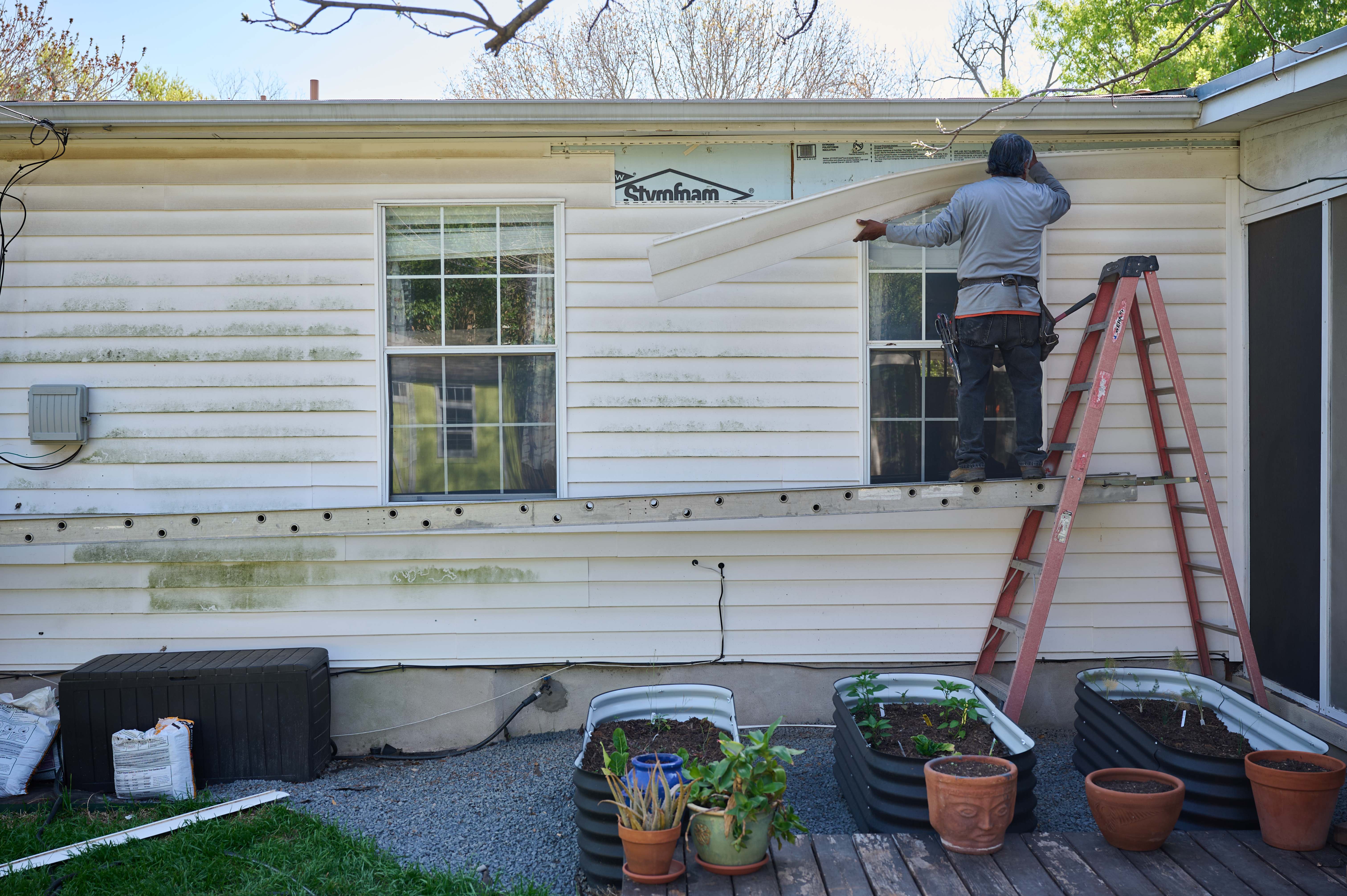
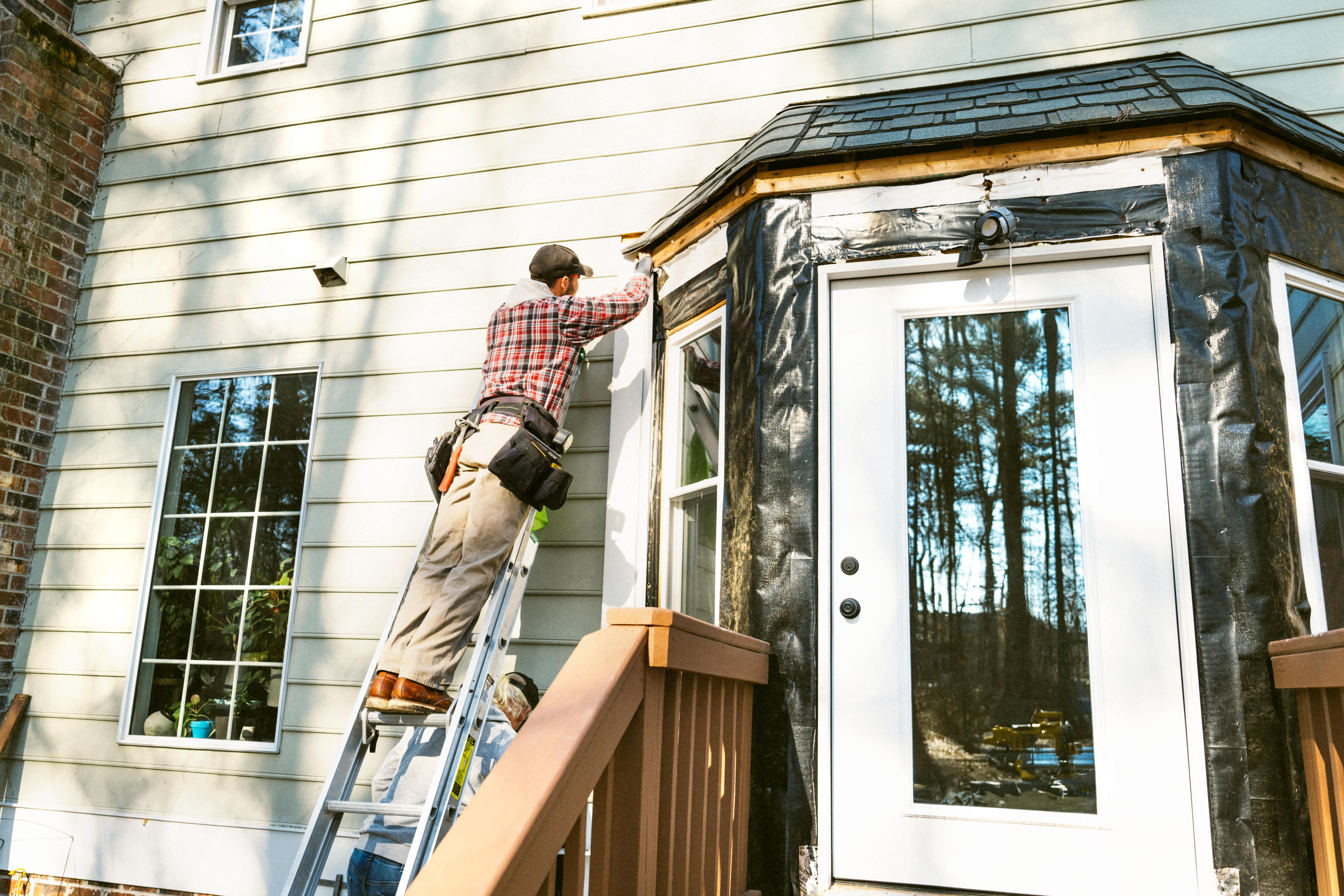
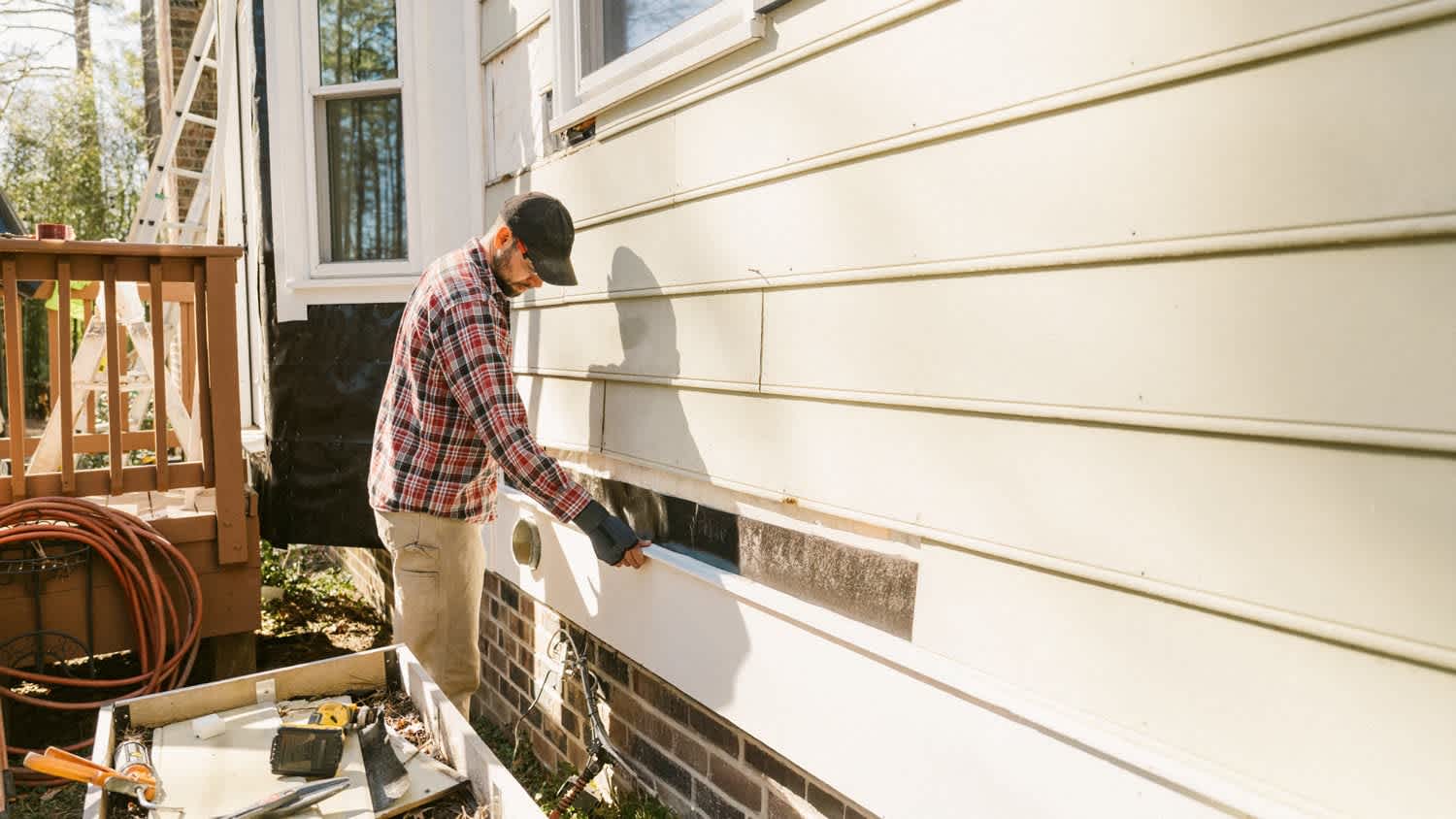
How long siding takes to install depends on various factors, but averages seven to 14 days for a 1500 to 2000 square foot home. You may have a longer installation timeline if your house is large or architecturally complex, if you have underlying damage beneath the existing siding, or if the weather delays the installation process.
When it comes to fiber cement siding maintenance, it’s not too much work. However, it needs to be painted about every 15 years and may need to be re-caulked to prevent mold. Be sure to also wash your fiber cement siding with a lower-powered garden hose at least twice a year to avoid buildup and fading as well.
The living space of a home doesn’t correlate directly with how many square feet of siding you’ll need, but on average, a 2,000-square-foot home will need 1,700 square feet of siding or 17 squares of siding. Your siding measurements will vary depending on the layout of your home, the number of stories, the size of your doors and windows, and even your roof style.
You should consider a siding replacement material that meets your expectations for budget, durability, and if you want to complete the siding project yourself. Some materials are better than others in certain climates and easier to install for beginners. If you’re unsure which material suits your home, check with a local contractor for guidance.
Whether or not your homeowners insurance covers EIFS stucco siding depends on the insurance company and the specifics of the policy. Some insurance companies will not cover EIFS due to its susceptibility to moisture damage, and some companies will only cover EIFS manufactured and installed after a certain date, since newer systems mitigate potential damage concerns better than older ones.
The Lovelock, NV homeowners’ guide to siding services
From average costs to expert advice, get all the answers you need to get your job done.
Find out the true cost to install T1-11 siding on your home. Get detailed price breakdowns, installation tips, and ways to save on your siding project.
Siding is a critical part of keeping your home protected from the elements and looking great. Learn what siding on a house is, how long it lasts, and what it costs.
Learn who to call when you need to replace or install the siding on your home. Choose a professional who will install your siding correctly and safely.
Hiring the right siding contractor can make this project go smoothly. Learn how to hire a siding contractor, what to ask, and what red flags to look for