





Top-rated concrete wall service pros.

Get matched with top concrete wall service pros in Fallon, NV

Enter your zip and get matched with up to 5 pros

Need a pro for your concrete wall construction project in Fallon, NV?

Select your specific project to find the pro for you.

Find Concrete wall service pros in Fallon

Avatar for 1864 Concrete LLC
1864 Concrete LLC
New to Angi
Poured Concrete Wall - InstallPoured Concrete Wall - Repair

Serving Fallon, NV and surrounding areas

In business since 2021

Free estimates

Credit card accepted

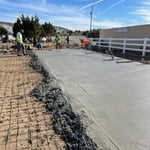
Your next concrete project doesn't have to be stressful. At 1864 Concrete LLC, we believe in providing an outstanding experience for our customers. We are a concrete construction company with 20 years of experience. 1864 Concrete LLC can assist in all phases of concrete and general construction. We value quality, integrity and professionalism. We look forward to your call. We also accept Visa, Mastercard, Discover and American Express.\nFamily owned and operated \n

40x60
Response time5 hrs
Concrete Walls questions, answered by experts

Yes, you can pour the footings for your foundation and the foundation system itself together, in which case the footing acts as the foundation. Some common examples of foundations where you might pour the footings simultaneously include floating slab foundations and monolithic slab foundations. Both lack traditional footings underneath the slab, so these foundation types are considered footings.

Concrete walls last anywhere from 30 to 100 years. In many cases, concrete walls will last longer with proper support and ongoing maintenance. Some concrete foundations, for example, could last up to two centuries when properly maintained. Toward the end of its life span, however, it's critical to have a structural engineer examine the concrete wall for potential signs of decay.

While fumigation chemicals cannot pass through solid objects, they will seep into any openings in walls, doors, or other closed spaces. This allows them to get into tight places where pests may be hiding and causing damage, like termites ruining the foundation of your home. It also means that your home needs to ventilate for 48 hours before returning to ensure that no harmful chemicals remain in your space. 

Aim for a concrete thickness of at least 4 inches for the walls of your above-ground storm shelter and 3.0 to 3.5 cubic yards of concrete for the base of your storm shelter. If you’re concerned about the thickness of your concrete while building a storm shelter, get in touch with a professional storm shelter builder to make sure your work is up to code and safe. 

It’s possible to pour concrete if the temperatures are expected to dip below freezing at night, but you need to take some special precautions before you do. Most importantly, you need to make sure your concrete won’t freeze, so the best thing to do is enclose the area and heat it. You should also make sure you’re using cold-weather concrete that’s designed for pouring in cold weather. Use accelerants to help speed up the curing process and avoid cold temperatures from resulting in weak concrete.

The Fallon, NV homeowners’ guide to concrete wall construction

From average costs to expert advice, get all the answers you need to get your job done.