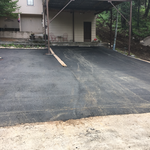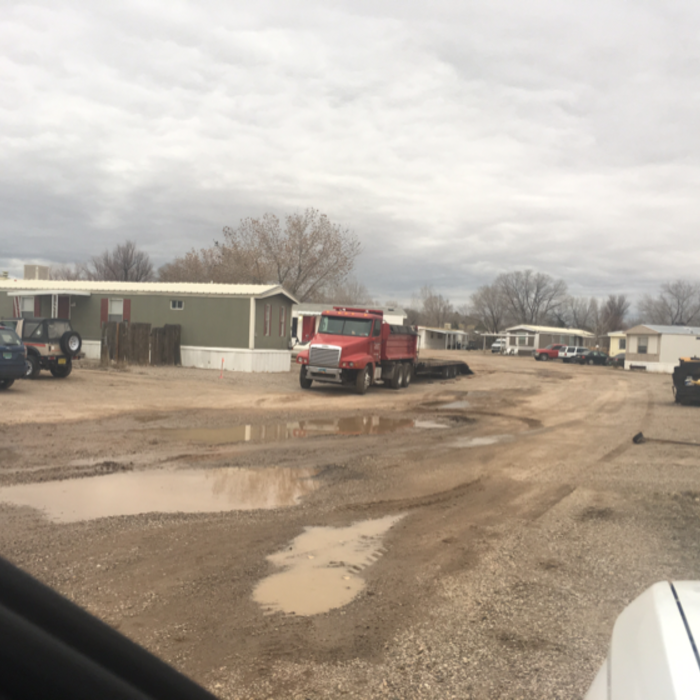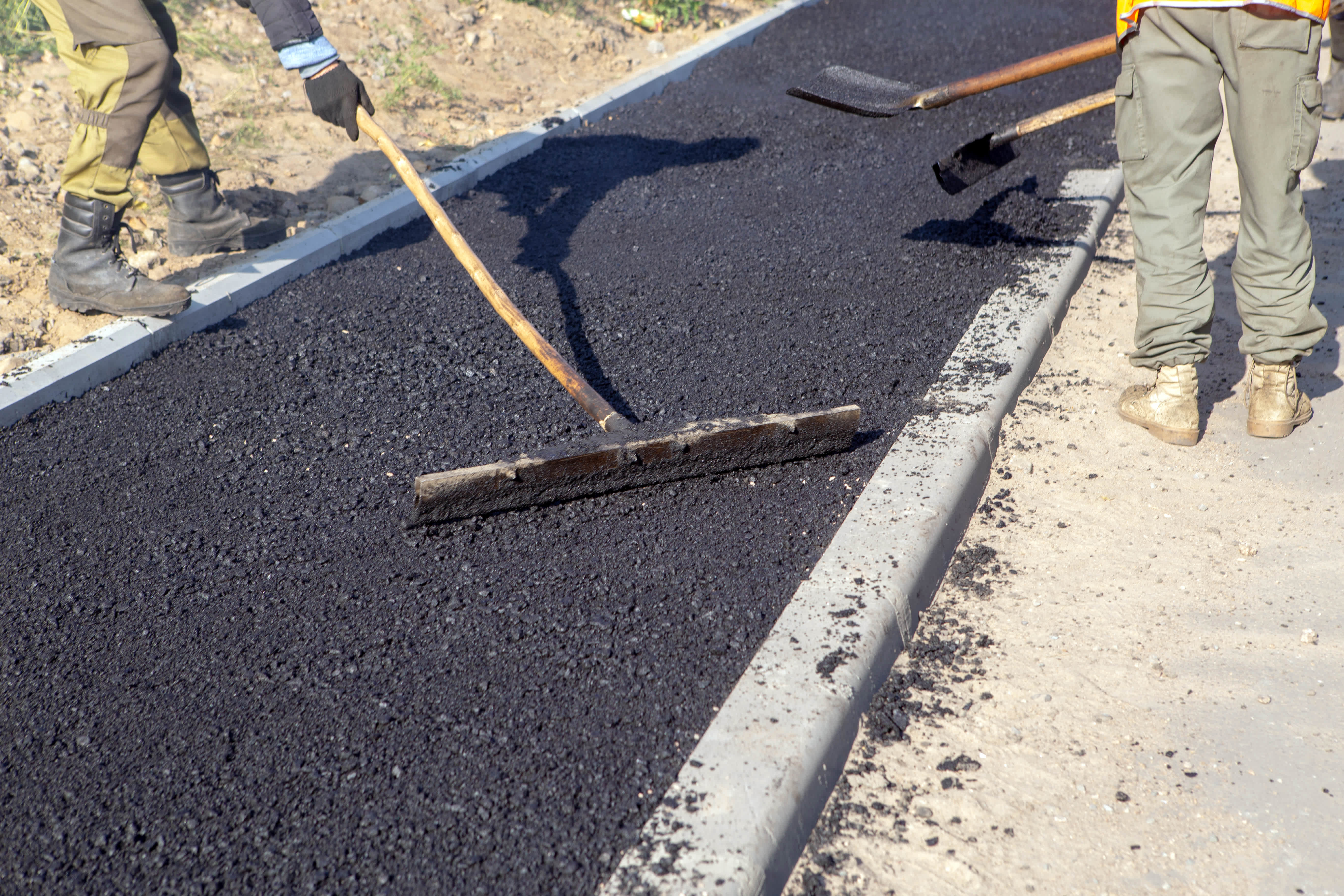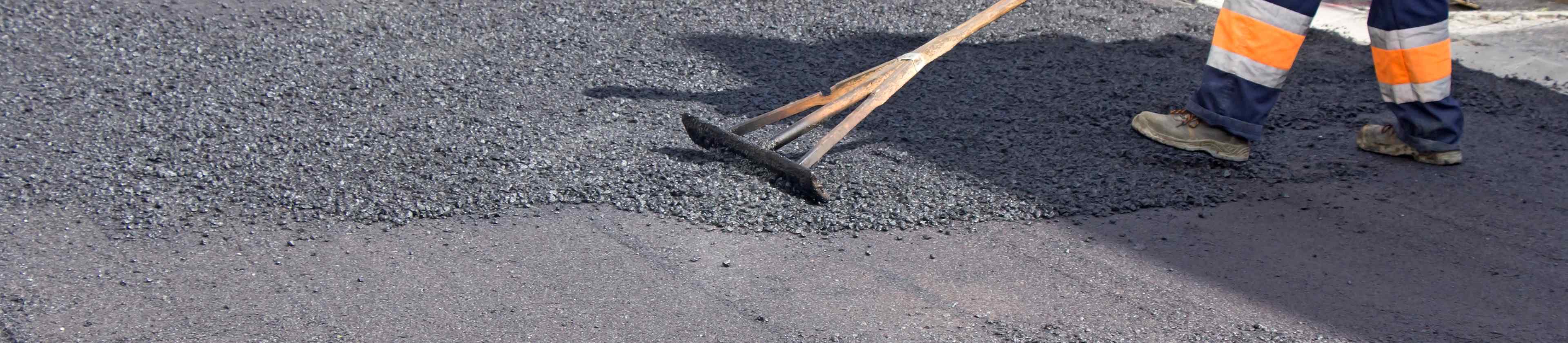
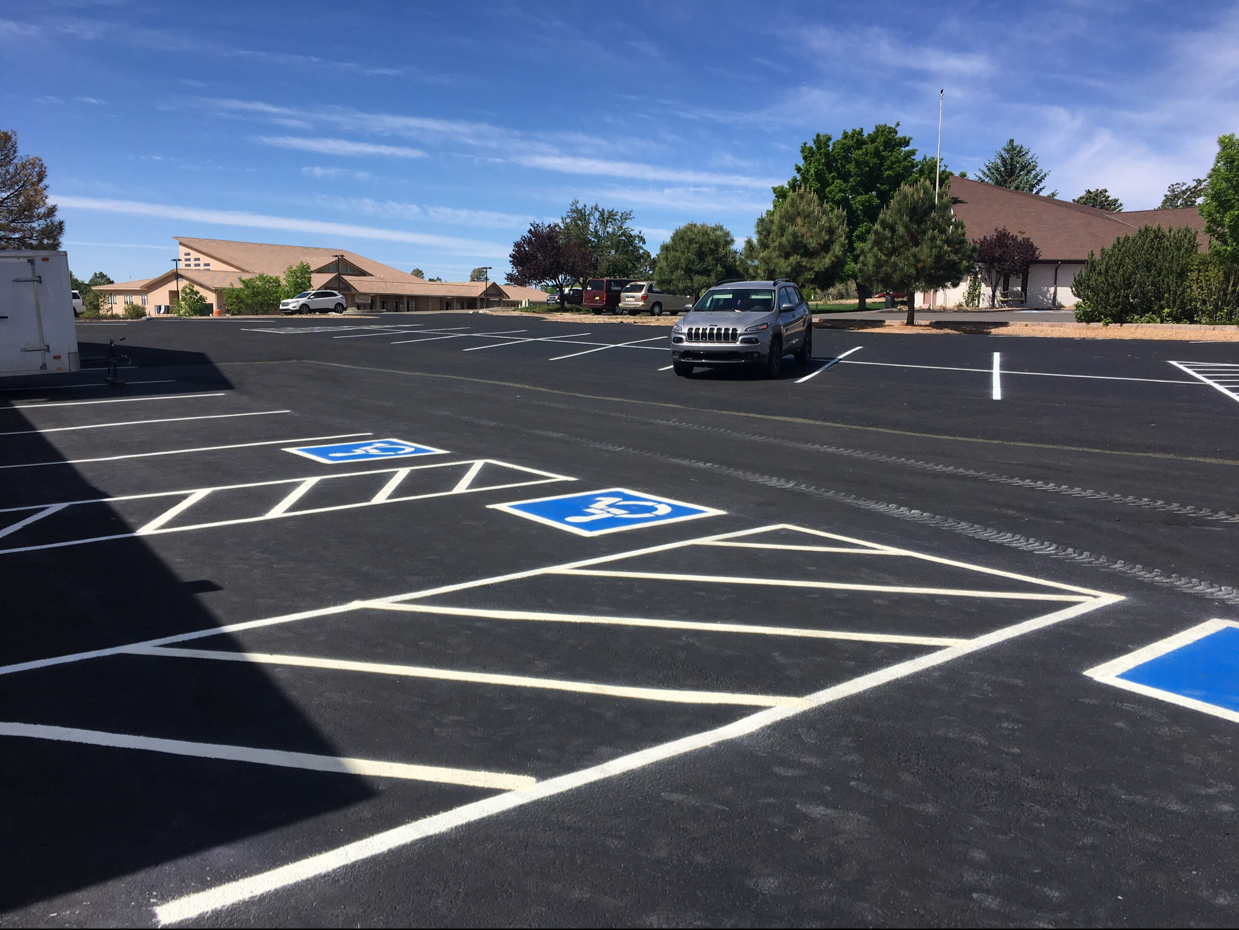
"Went GREAT! I got quotes from 3 different companies. Out of the 3 quotes I received Mike & Martins Asphalt & Paving was more professional, punctual and cost effective than the other 2. Another thing they did that stood out from the rest was the time they took to educate me on the whole process. Never having asphalt done before I had no idea what to expect. After meeting with Mike I felt very informed and comfortable moving forward with the project. The job is complete now and looks great! Mike called me a couple days after the project was done just to thank me one more time for my business. I don't usually take time to write reviews but these guys made a great impression. I highly recommend and would absolutely use them again in the future. Thanks"
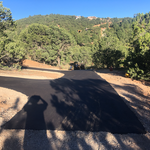
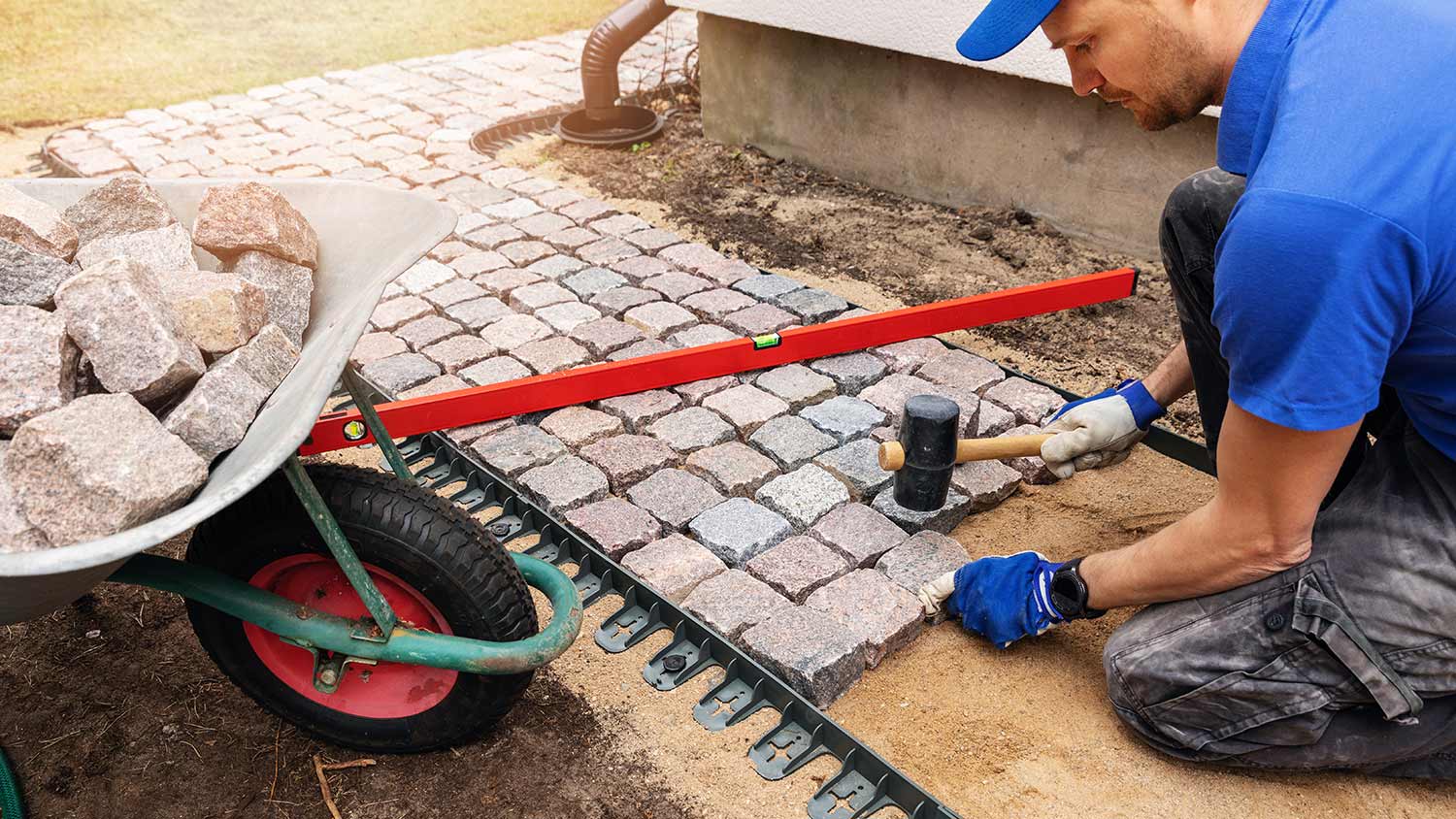
If pavers are uneven but not sunken, lift the affected bricks and check the bedding sand underneath. In many cases, simply smoothing out or adjusting the sand is enough to level them. Add or remove small amounts as needed, then press the pavers back into place and tap them with a mallet until they sit evenly with the surrounding surface.
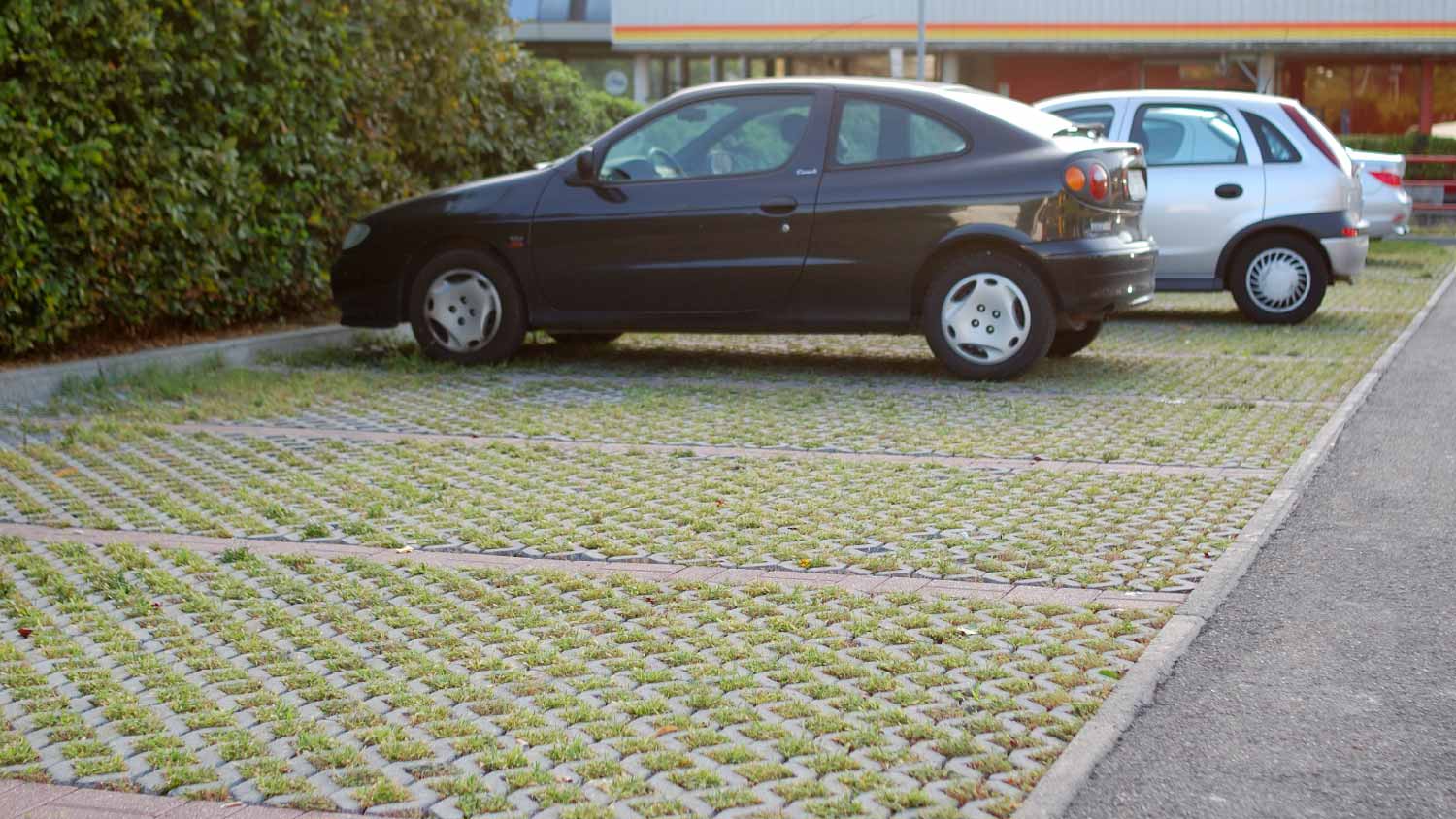
Pavers are a type of permeable hardscape that can be used for driveways, patios, walkways, and other landscaping features. Unlike poured concrete or asphalt, pavers typically have a layer of gravel underneath to prevent water runoff from damaging your property—though you can also lay pavers on grass. Because pavers are installed piece by piece, you can customize a one-of-a-kind hardscape that best suits your aesthetics, boosting your curb appeal along the way.
Interlocking pavers offer a number of advantages over regular pavers. For instance, they’re more durable, more resistant to shifting, and easier to repair. There are also permeable options that allow for drainage. However, interlocking pavers are more often more expensive than regular pavers and are prone to growing weeds over time.
Quality pavers and correct installation handle temperature variations. Proper maintenance is crucial in severe climates to prevent issues like heaving.
To adhere pavers to concrete, you can use either mortar or a concrete-specific adhesive. For border pavers, a polyurethane-based adhesive is a good choice as it expands and contracts with temperature changes, keeping them firmly in place. For the non-border pavers, polymeric sand is used between the joints to prevent shifting. In most cases, it is also recommended to lay a permeable sand layer below the pavers to ensure proper stability and drainage. Before starting, always take the proper preparatory steps for a professional result.
The Vaughn, NM homeowners’ guide to paving services
From average costs to expert advice, get all the answers you need to get your job done.
The cost of a tar and chip driveway falls between gravel and asphalt. Is this unique process the happy medium you've been looking for? Let's take a look.
Pooling water can deteriorate your driveway faster while negatively impacting the landscape. Use this guide to explore drainage solutions to keep your driveway in great shape.
From concrete pavers to brick to stone, there are many types of pavers to dress up your yard. Here are some paver stone tips to transform your landscape.