"the job was completed by 2 men but the fence & gate are not lined up straight; more of a zigzag & gate did not close properly so I had to have someone else redo the gate closure. They did not use a plumb line; just eyeballed it... Luckily it's in my backyard so not many people see it. At least they got the job done quickly right after I moved into my new home & needed a safe place to keep our dogs. "
"I only use James when I need some work done to my house. He responds fast, gets the work done quicker than just about anyone else I've ever used and seems very concerned with leaving his customers happy."
Yes, you can put wallpaper in a bathroom, but whether it's a good idea depends on several factors. Because bathrooms are high-humidity areas, it's crucial to choose a water-resistant wallpaper, such as one made of vinyl. Proper wall preparation is also critical to ensure the paper adheres well, even after many steamy showers. The wallpaper's placement also affects its longevity; it will hold up better on an accent wall or away from direct water contact, rather than immediately next to a shower. A well-ventilated bathroom will yield the best results.
Deciding between a lighter or darker accent wall depends on the effect you’re going for. Choosing an accent wall in a lighter color will make a room feel brighter and more spacious and complement rooms with less natural light. A darker accent wall will add drama and depth to a room and help make larger rooms feel more cozy and intimate.
One of the biggest downsides to peel-and-stick wallpaper is that it doesn't last as long as traditional wallpaper. Its lifespan depends on several factors, including the quality of the paper, proper wall preparation and application, and the room's conditions. As a general rule, peel-and-stick wallpaper can last for at least five years, but this can vary significantly. Budget products may only last about 3 years, while higher-quality products can stay up for 7 years or more in ideal conditions. Factors that can shorten its lifespan include high humidity (such as in a bathroom), dirty walls, and low-quality paper. If used on flooring, expect it to last only 1 to 3 years unless sealed. However, the shorter lifespan can be seen as a positive, making it a great choice for people who enjoy switching up their interiors more frequently.
To determine how many rolls of peel-and-stick wallpaper you need, measure the square footage of the walls you’re covering and divide that by the square footage that each roll covers. Add 10% to 20% of your total square footage to account for pattern matching or damage while installing.
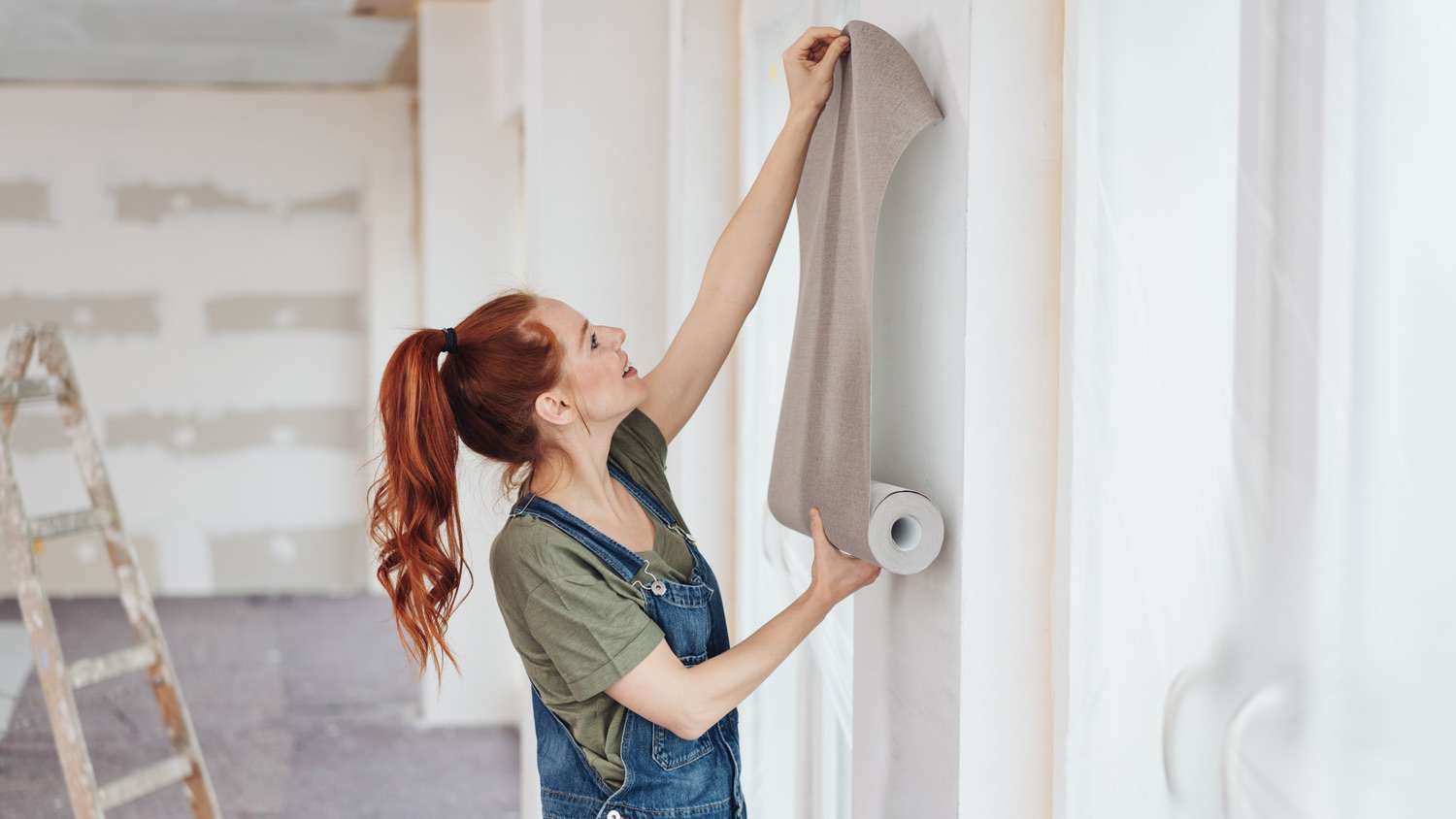
Putting up new wallpaper tends to take one to two days, depending on the size of the area, whether old paper needs to be removed, and if there is any damage to walls that needs to be smoothed over or fixed.
The Tohatchi, NM homeowners’ guide to wallpaper services
From average costs to expert advice, get all the answers you need to get your job done.
Discover wallpaper installation cost. Learn about material, labor, and project factors to estimate your budget and make informed choices for your home.
Whether you can put wallpaper over wallpaper depends on the type of paper you’re using and the condition of the existing surface. Learn more with this guide.