There are three layers of wastewater in a septic tank: scum (solid waste that floats to the top of the wastewater), liquid (the relatively clean liquid wastewater in between the two other layers), and sludge (solid waste that falls to the bottom of the wastewater). The buildup of sludge is one of the main reasons septic tanks need to be pumped. If the tank is more than 1/3 of the way full with a combination of sludge and scum, it’s time to call a pro for pumping.
Some flushable wipes companies say they are designed to disintegrate within a few hours to a few days after being flushed. These wipes allegedly use materials that are more water-soluble than traditional wipes. However, many experts have raised concerns that even so-called "flushable" wipes do not break down as easily as claimed and can contribute to clogs and blockages in sewer systems.
To prevent plumbing and sewer problems, avoid flushing wipes, even those labeled as flushable. Instead, dispose of them in the trash. This can help prevent costly plumbing issues and reduce the strain on wastewater treatment systems.
The average cost to pump a septic tank is around $550, though prices can range from $250 to over $1,250. The final cost depends on several factors, including the size of your tank, how full it is, and your geographic location. For example, pumping a small tank might cost between $290 and $530, while a larger 1,750-gallon tank could cost $600 or more. Prices also vary by region; for instance, costs in Minneapolis range from $175 to $275, while in Portland, they can be between $440 and $750. Regular pumping is essential to prevent waste buildup, which can lead to backups and damage to your drain field.
If your leach field becomes clogged or saturated, it can cause several problems with your home's septic system. The clog can cause sewage to back up into your home, leading to unpleasant odors and mess. A backed-up septic system can be a health hazard, particularly if the sewage starts to leach into the ground surrounding the leach field.
There are several ways to fix a saturated drain field, including cleaning out your septic tank, adding enzymes and additives to your drain system, and installing a larger septic system.
Slow drains, gurgling sounds, or foul odors can indicate septic issues. Regular inspections help identify when pumping is necessary to avoid overflow.
The Tohatchi, NM homeowners’ guide to aquarium services
From average costs to expert advice, get all the answers you need to get your job done.
Discover mosquito control service cost estimates, including average prices, key cost factors, and tips to save on professional mosquito treatments for your home.
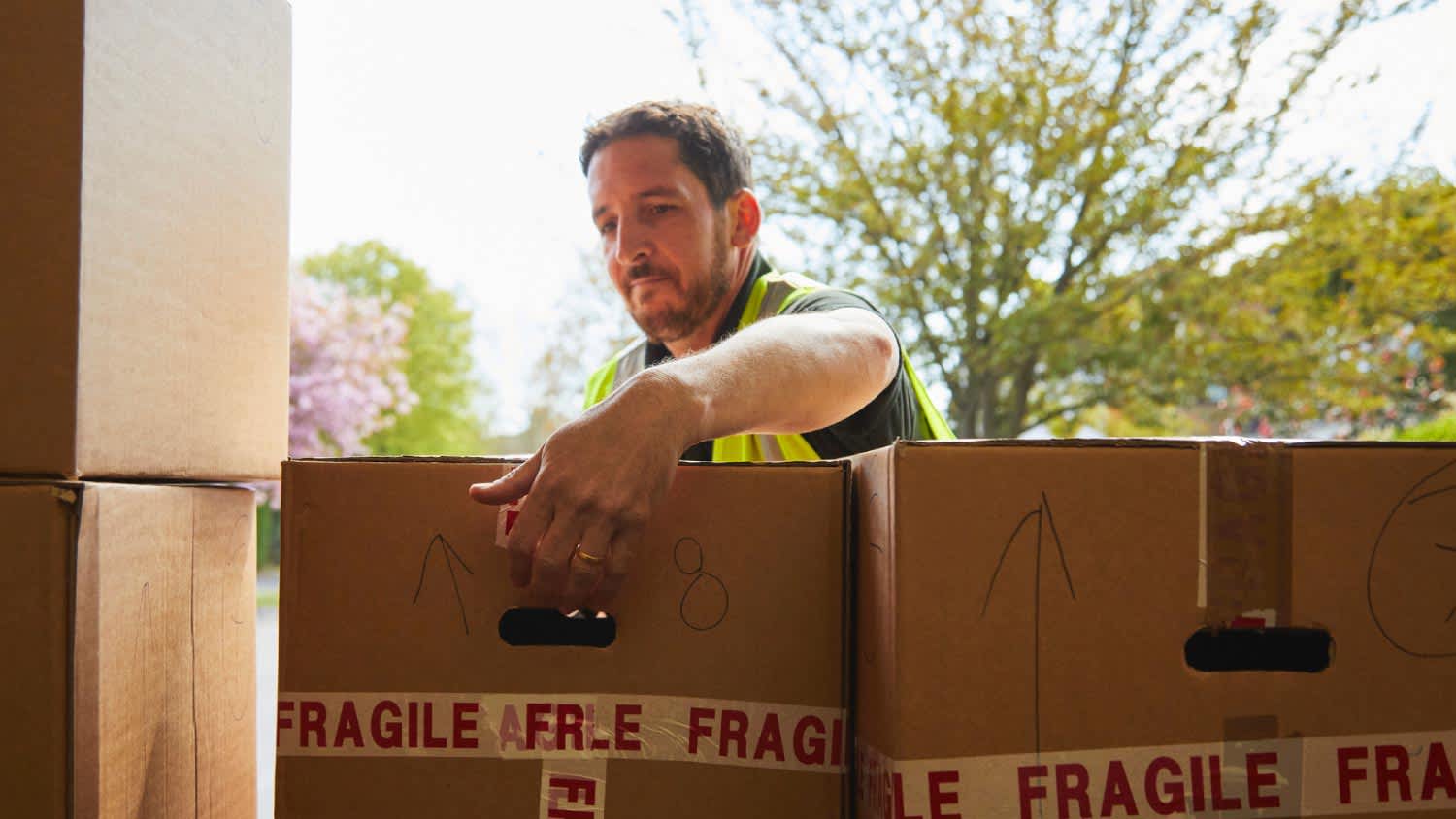
If you’re moving, you need to consider distance, weight, packing, and more. Our guide provides the average cost to move a 3-bedroom house long distance.
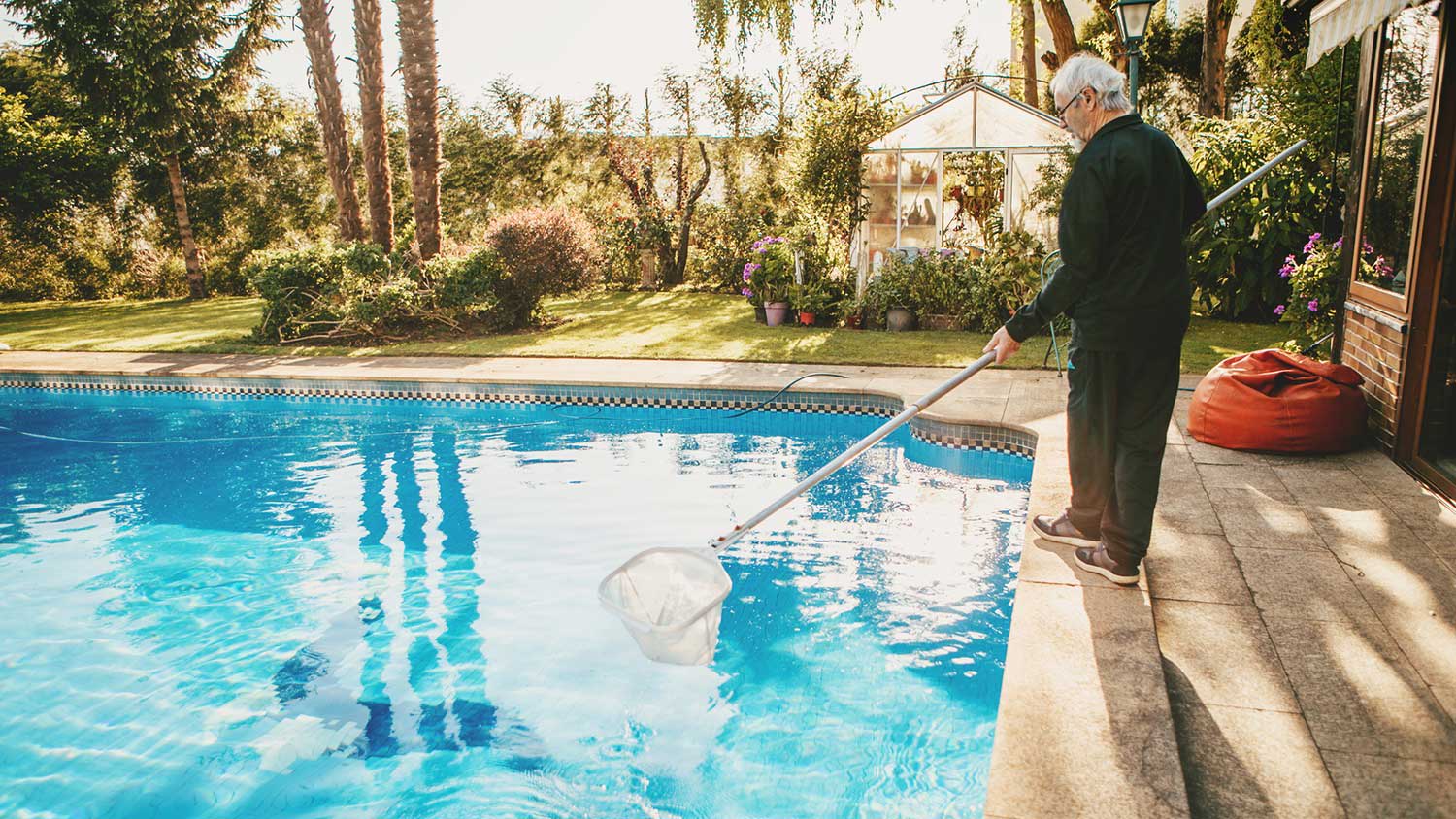
If you live in an area without very cold winters but tempted to close your pool during the cooler months, read on. We dive into the many benefits of winter service.
Learn about home items that are nearly impossible to move without movers, either because they are awkwardly shaped, too heavy, or require special equipment.
Steam cleaning makes your floors feel spotless without harsh chemicals. However, certain areas benefit from steam more than others. Here’s what you can clean with a steam cleaner.