






There are several homemade solutions for clearing a clogged sink that don’t involve pouring harsh chemicals down your drain. Start by pouring hot (but not boiling) water down the drain. This can help dissolve and flush away grease and gunk. A splash of dish soap down the drain can also cut through fat and make it easier to clear the drain. For a more stubborn blockage, grab a plunger and give it a few firm pumps to dislodge the clog.
Even if the shower drain doesn’t seem clogged or dirty, plan to clean it out about once per month—or more frequently if you or your family shed a lot of hair. It’s a good practice to remove any hair from the drain on a daily basis, as hair can accumulate fast and cause clogs in no time. You may also want to have a plumber thoroughly clean the drains in your home once every six months.
Biodegradable drain cleaners use naturally derived ingredients, such as baking soda, vinegar, and boiling water, which bacteria and other microbes can break down. Unlike conventional cleaners that rely on corrosive bleach (sodium hydroxide), biodegradable options are gentler on fixtures and less harmful to the environment. Because they don't release harmful gasses, they are also safer to use, especially in households with children, and do not require the same safety precautions as bleach-based products.
Pouring drain cleaner down a vent pipe isn’t recommended. First of all, unlike a clog in a sink or bath caused by such material as soap scum build-up, toothpaste, and hair, clogs in a vent pipe are likely the result of debris from trees or even an animal stuck in the pipe. Drain cleaners won’t be able to eat through this kind of material. The cleaner will only become clogged in the vent with the debris, causing even more problems.
As a preventative measure, hydro jetting should be done every one to two years. However, the best practice is to hydro jet your sewer line once per year. The ideal frequency depends on several factors, including the age and condition of your pipes, how prone they are to clogging, how often the sewer line is used, and the type of waste disposed of in the system. If you frequently experience clogs or are unsure, it's best to ask a licensed plumber for a recommendation specific to your plumbing system.
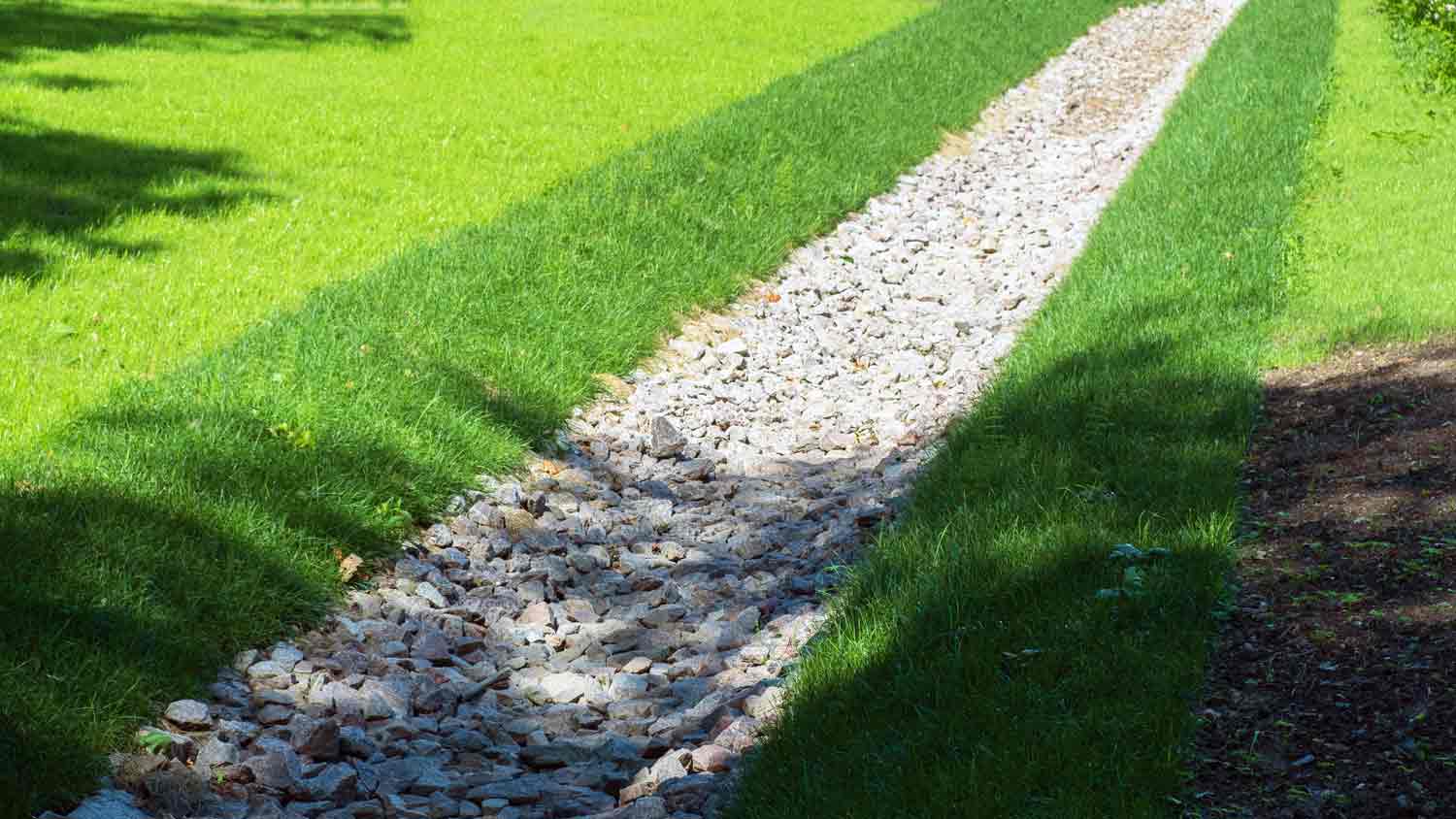
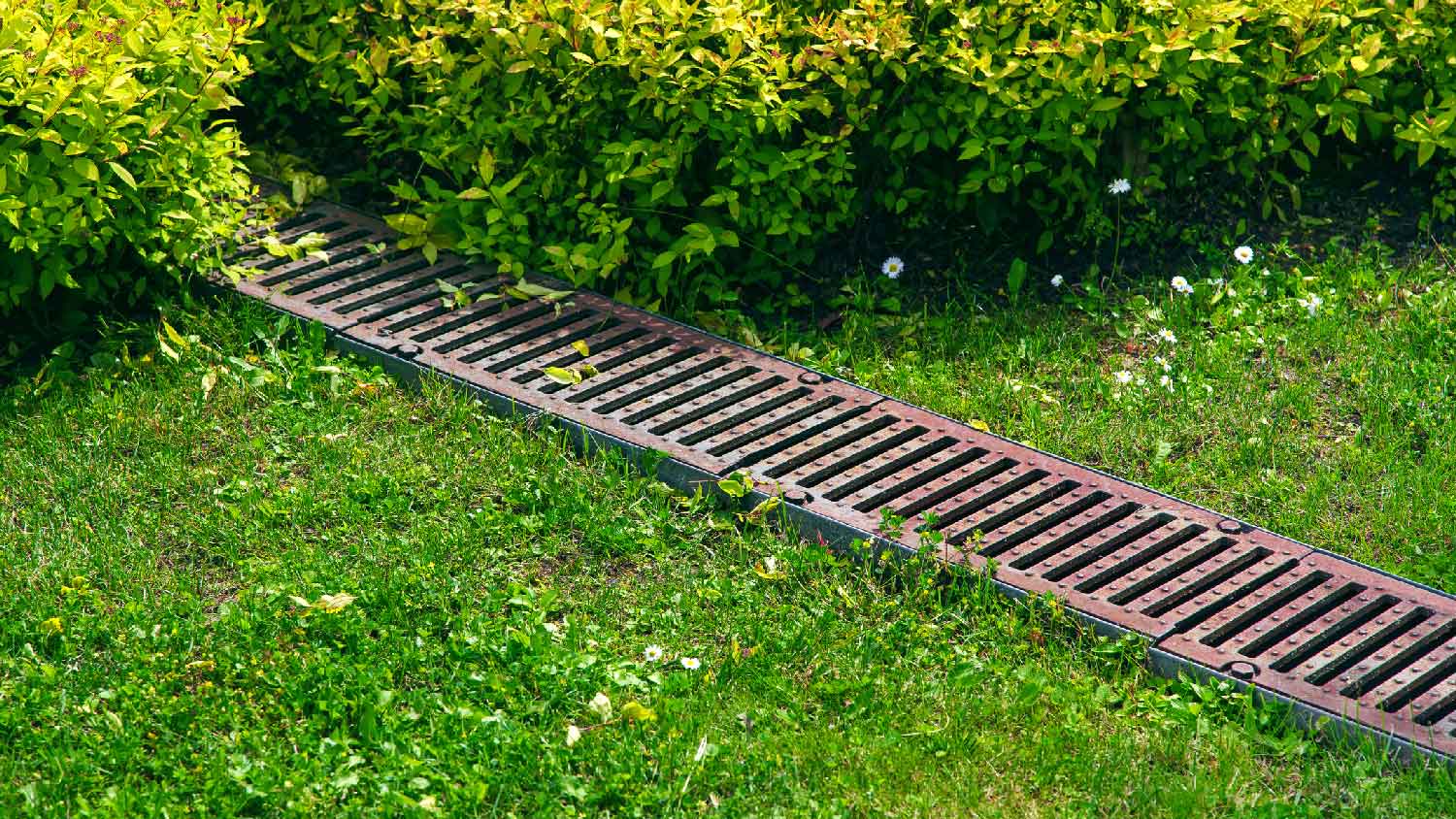
The Sunshine, NM homeowners’ guide to french drain services
From average costs to expert advice, get all the answers you need to get your job done.
A French drain costs around $9,250 to install, but several factors will determine the final price you pay. Learn the cost to install French drains in this guide.
Explore the best pipes for French drains, from popular PVC to corrugated and ABS. Learn the pros and cons of each to make the decision that suits your home best.