"the job was completed by 2 men but the fence & gate are not lined up straight; more of a zigzag & gate did not close properly so I had to have someone else redo the gate closure. They did not use a plumb line; just eyeballed it... Luckily it's in my backyard so not many people see it. At least they got the job done quickly right after I moved into my new home & needed a safe place to keep our dogs. "
"I only use James when I need some work done to my house. He responds fast, gets the work done quicker than just about anyone else I've ever used and seems very concerned with leaving his customers happy."
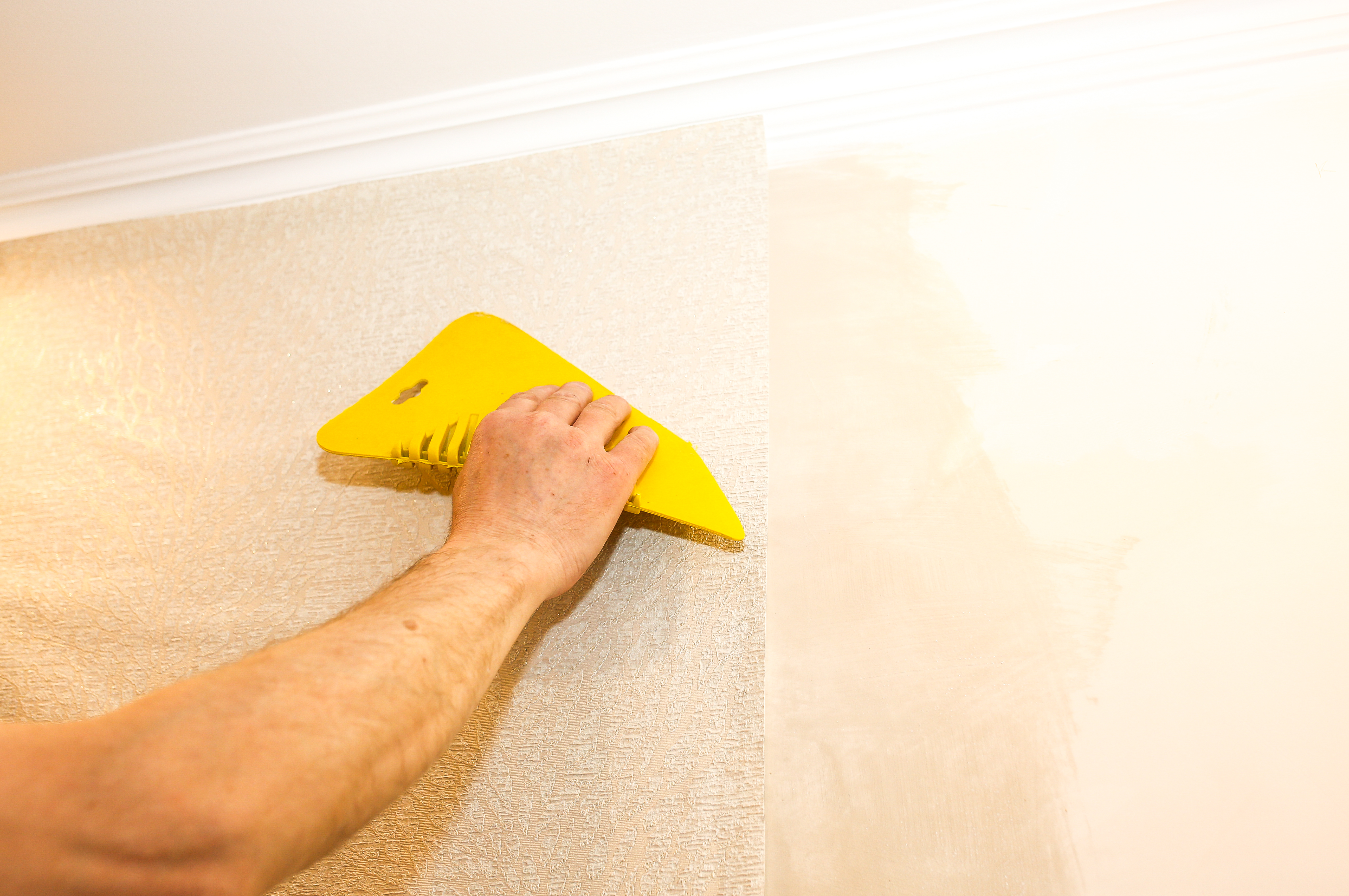
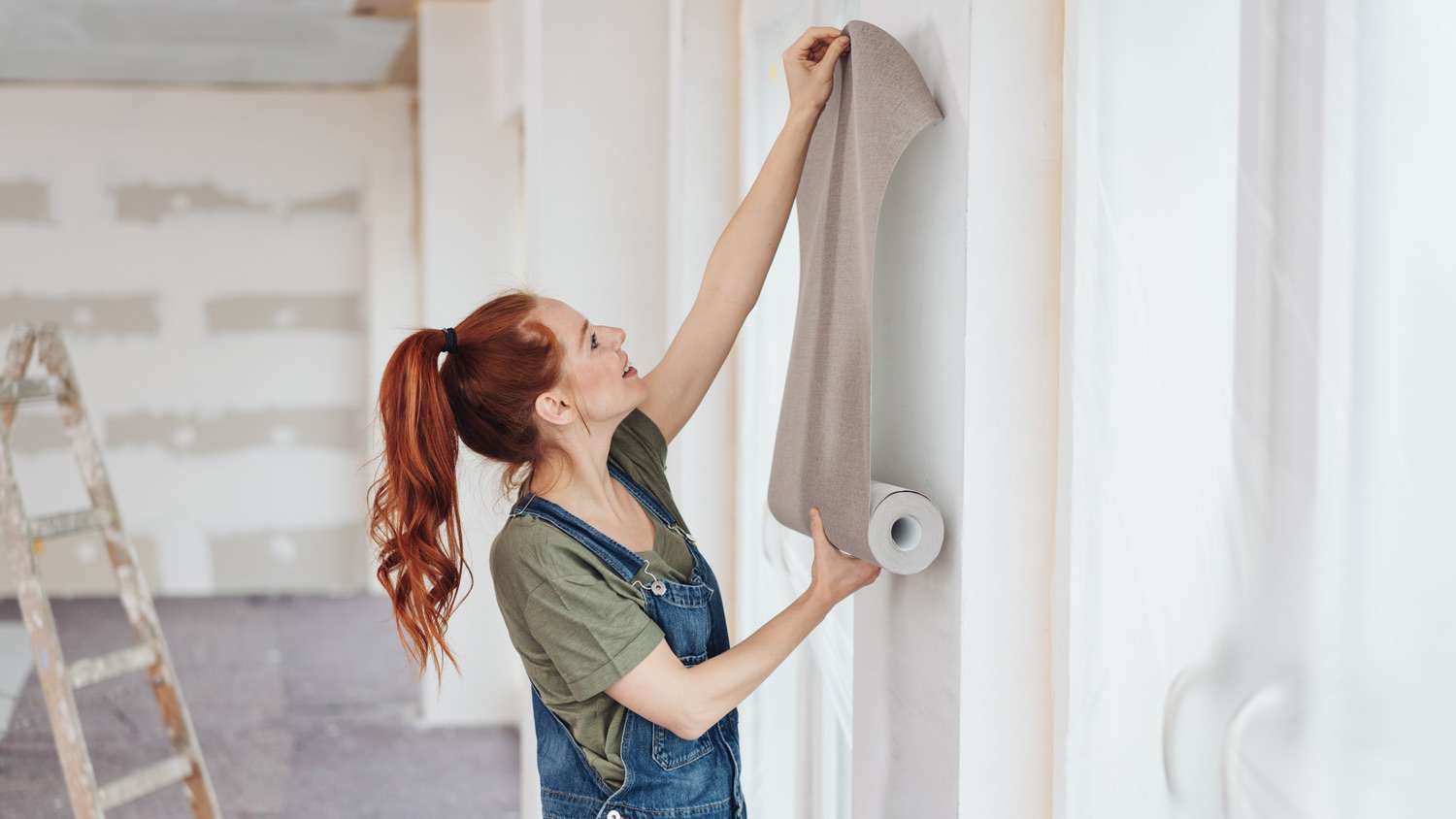
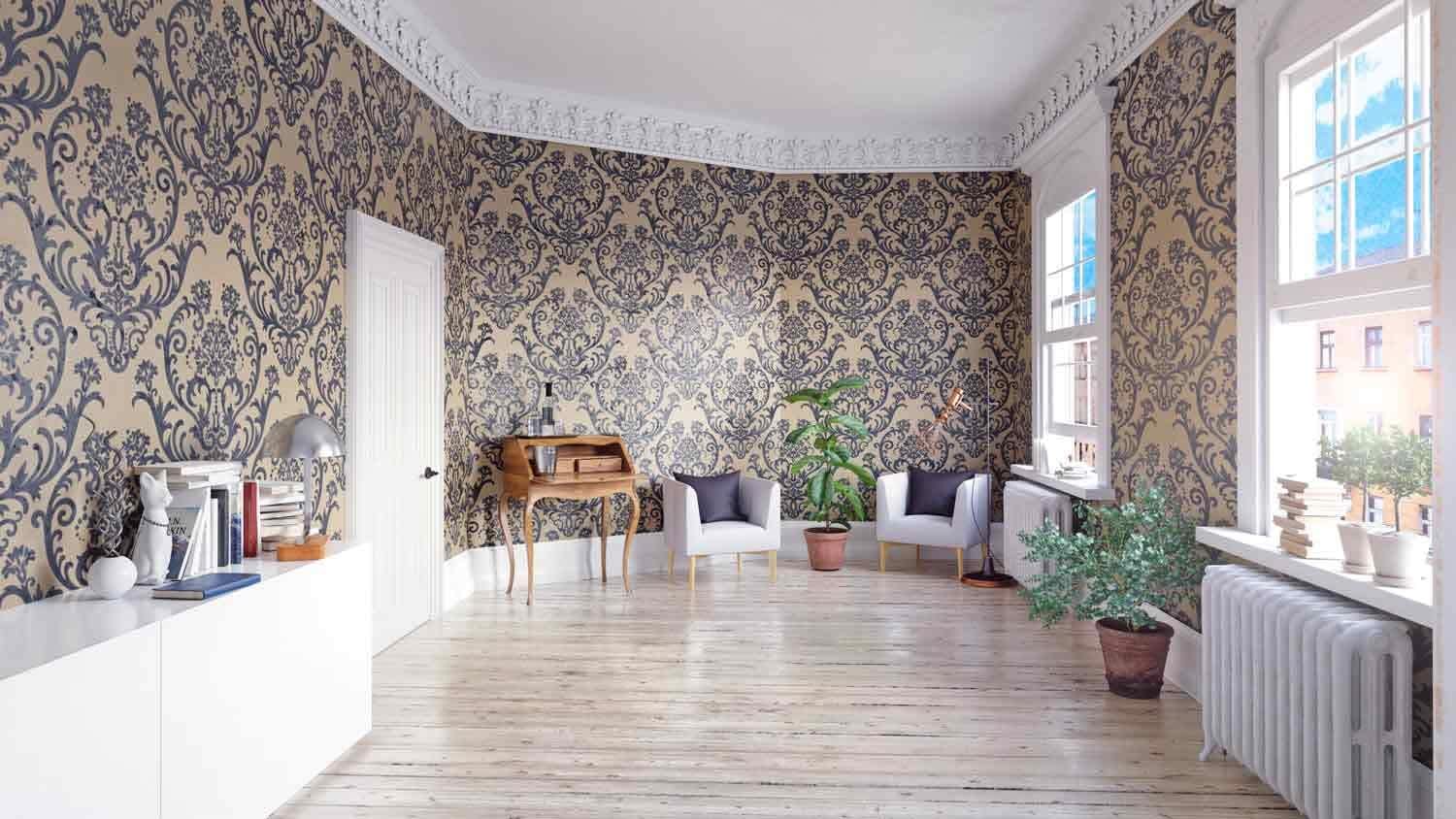
No, you don’t always have to remove old wallpaper before applying a new layer. However, you should pull off the existing wallpaper if it’s cracked, peeling, or in poor condition. We’d also recommend against putting wallpaper over textured or dark-colored wallpaper because the old layer may be visible through the new one. In addition, if you try to hang new wallpaper over vinyl-coated wallpaper, the adhesive might not stick properly.
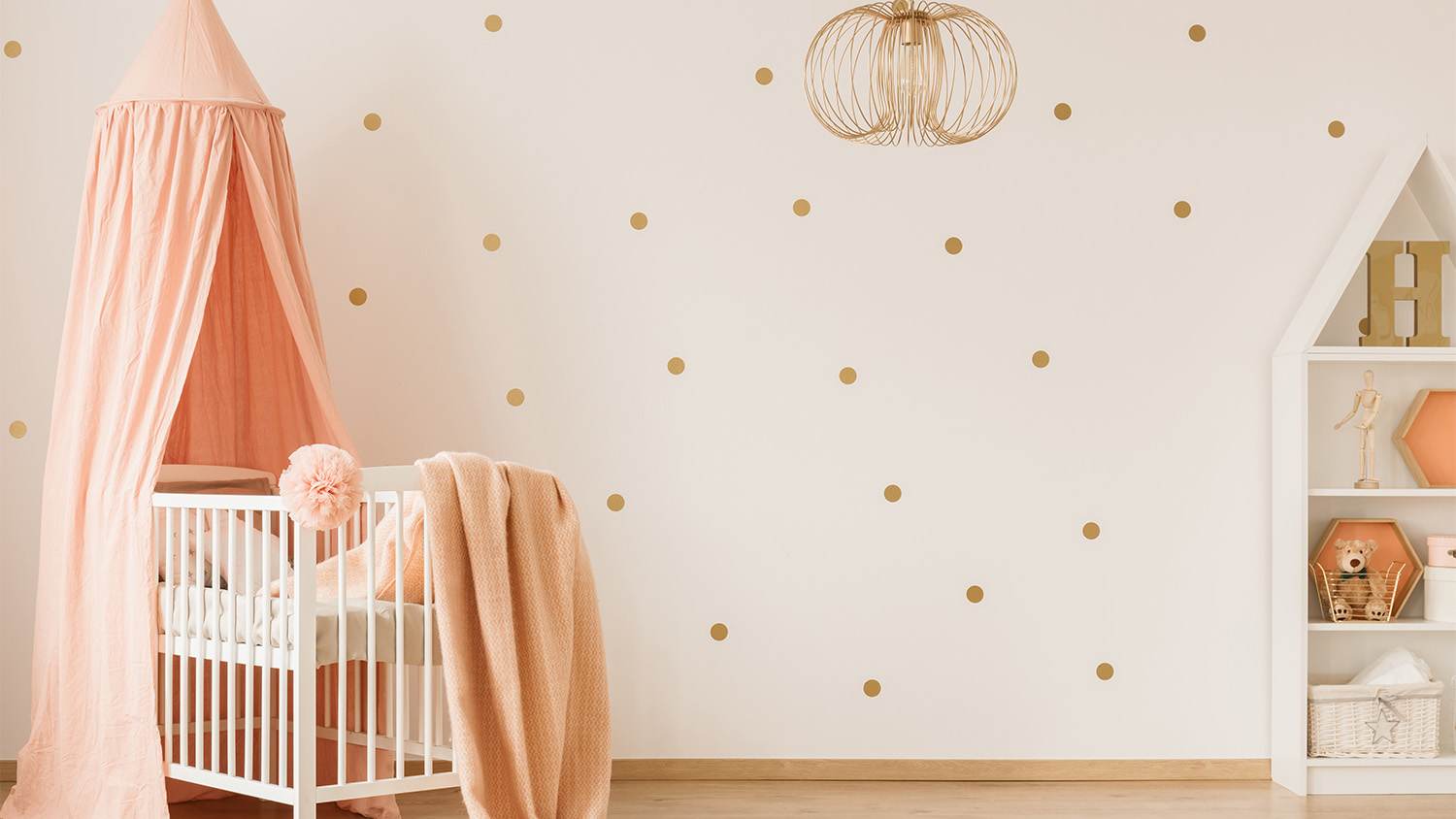
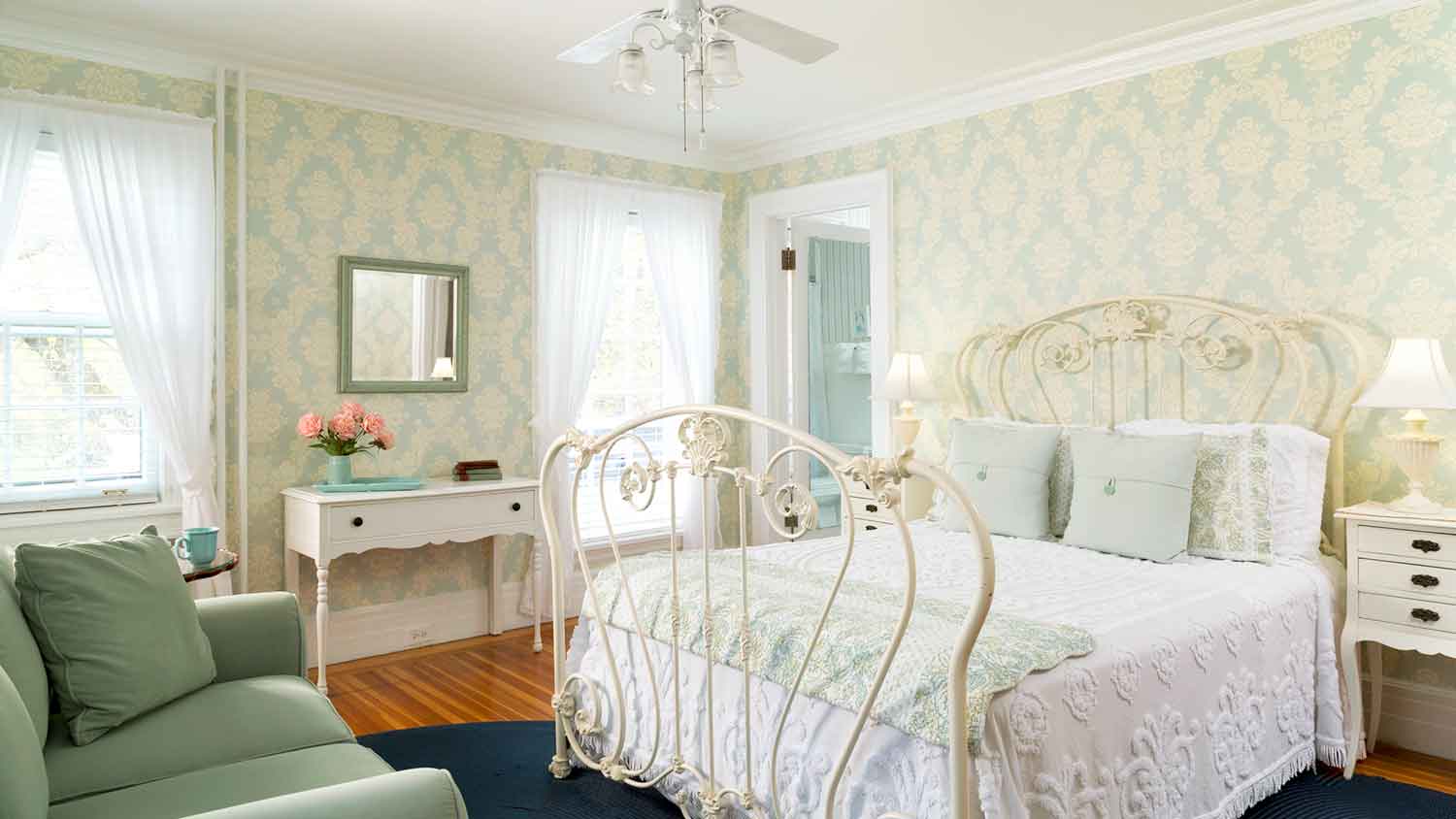
Deciding between a lighter or darker accent wall depends on the effect you’re going for. Choosing an accent wall in a lighter color will make a room feel brighter and more spacious and complement rooms with less natural light. A darker accent wall will add drama and depth to a room and help make larger rooms feel more cozy and intimate.
When comparing peel-and-stick and traditional wallpaper, the better choice depends on your specific needs and space. Peel-and-stick wallpaper is more budget-friendly and easier to DIY install. On the other hand, traditional wallpaper lasts much longer and holds up better in a wider variety of spaces, including areas with moisture like kitchens and bathrooms.
Yes, peel-and-stick wallpaper is available that’s made from vinyl—it actually is the most common material used in peel-and-stick wallpaper. Learning how to install vinyl wallpaper is far easier when you’re using a peel-and-stick design than with adhesive. You could also select peel-and-stick wallpaper that consists of paper, polyester, or natural fibers.
No, you don’t need to apply paint primer to your wall before hanging paintable wallpaper. Manufacturers design paintable wallpaper so that the paint will adhere effectively, so primer isn’t necessary. Plus, even if you opt for a light shade of paint, you won’t have to worry about the shade underneath showing through because you are painting on a light, white surface.
The Santa Rosa, NM homeowners’ guide to wallpaper services
From average costs to expert advice, get all the answers you need to get your job done.
Discover wallpaper installation cost. Learn about material, labor, and project factors to estimate your budget and make informed choices for your home.
Whether you can put wallpaper over wallpaper depends on the type of paper you’re using and the condition of the existing surface. Learn more with this guide.